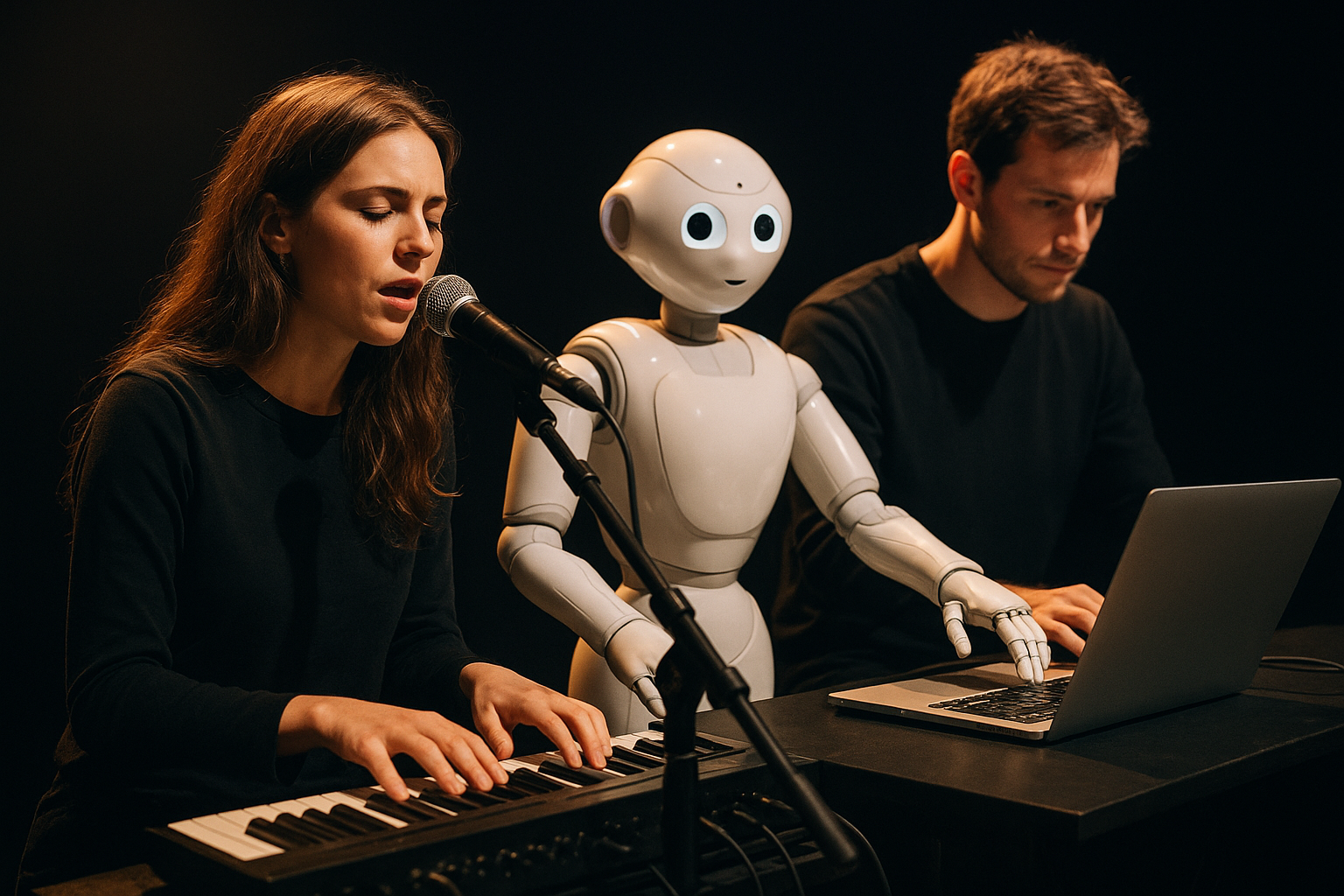
Playable Models: Turning AI into Instruments for Live Performance
The realm of live performance is witnessing an unprecedented transformation with the integration of artificial intelligence. What was once limited to human skill is now expanded through the capabilities of Playable Models. These AI-driven instruments are enhancing creativity, offering musicians, artists, and performers new avenues to explore artistic expressions.
Understanding Playable Models
Playable models are AI algorithms designed to respond to user inputs in real-time, creating musical compositions, visual art, or even choreographic movement. Just as a guitar or a piano serves as a conduit for a musician’s creativity, these models enable AI to become a collaborative partner on stage.
One striking example is the use of AI in music. Creative AI systems like Google’s Magenta aim to advance the state of the art in music and art generation. Magenta uses machine learning to create tools and models that allow musicians to explore new sounds and textures that were previously unthinkable.
“The potential of AI as a tool for creativity isn’t about replacing humans,” says Dr. Rebecca Fiebrink, a researcher in computational creativity. “It’s about augmenting and expanding our capacity to create and experience new forms of art.” – The New York Times
The Intersection of Technology and Art
Artists are no strangers to using technology in their work, but the advent of AI-driven models marks a new chapter. These tools can be programmed to learn from vast datasets, imitate styles, and even compose original works. The ability to interact with these models in real-time during a live performance sets them apart from previous electronic instruments.
Take, for instance, the performance by the AI collective AISTUDIO. In one of their shows, viewers witness a seamless fusion of human and machine as performers interact with AI models that generate music and visuals based on the motion captured live on stage.
- Live Music Generation: AI models can create music on the fly, responding to live input from musicians just like a seasoned accompanist.
- Dynamic Visual Art: Visual AI models can generate and modify digital art in real-time, reacting to sound, motion, or audience interaction.
- Interactive Dance: AI choreographies can augment human movements, creating an otherworldly dance experience.
Challenges and Opportunities
The integration of AI in live performances comes with its set of challenges. The technical complexity, cost, and ethical issues regarding authorship and originality are just a few hurdles. However, these obstacles also open up opportunities for innovation. Artists like Simon Alexander Adams are exploring these intersections, leveraging technology to push the boundaries of creative expression.
“There’s a sense of unpredictability with AI that can be both thrilling and terrifying. It forces you to relinquish a degree of control, which can lead to unexpected and novel forms of creativity,” remarks Simon Alexander Adams. – The Guardian
The Future of AI in Performance Art
As the technology behind playable models advances, so too will their capabilities in live performances. This evolution prompts a critical question: what does the future hold for artists and audiences alike? The possibilities are vast, ranging from hyper-personalized performances to fully immersive environments where the lines between performer and audience blur.
Furthermore, as more artists engage with these technologies, we can anticipate a democratization of creative tools. AI’s growing accessibility means that more people have the chance to explore these innovative methods, leading to a more diverse and inclusive artistic landscape.
- Increased Collaboration: Artists can collaborate across disciplines and geographies, enabled by AI’s ability to work in varied creative domains.
- New Art Forms: The fusion of AI and traditional performance methods could give birth to novel art forms and genres.
- Enhanced Audience Engagement: AI can tailor performances in real-time, allowing audiences to become active participants in the art-making process.
Conclusion
Playable models represent a thrilling frontier in live performance. By integrating AI into artistic practice, performers are not only expanding their toolbox but also reshaping the landscape of art itself. As technology continues to evolve, the partnership between human creativity and artificial intelligence will undoubtedly yield extraordinary outcomes, enriching our cultural tapestry in the process.
Leave a Reply
You must be logged in to post a comment.