“`html
China’s Human Rights Crisis: Uncovering the Truth Behind the Numbers
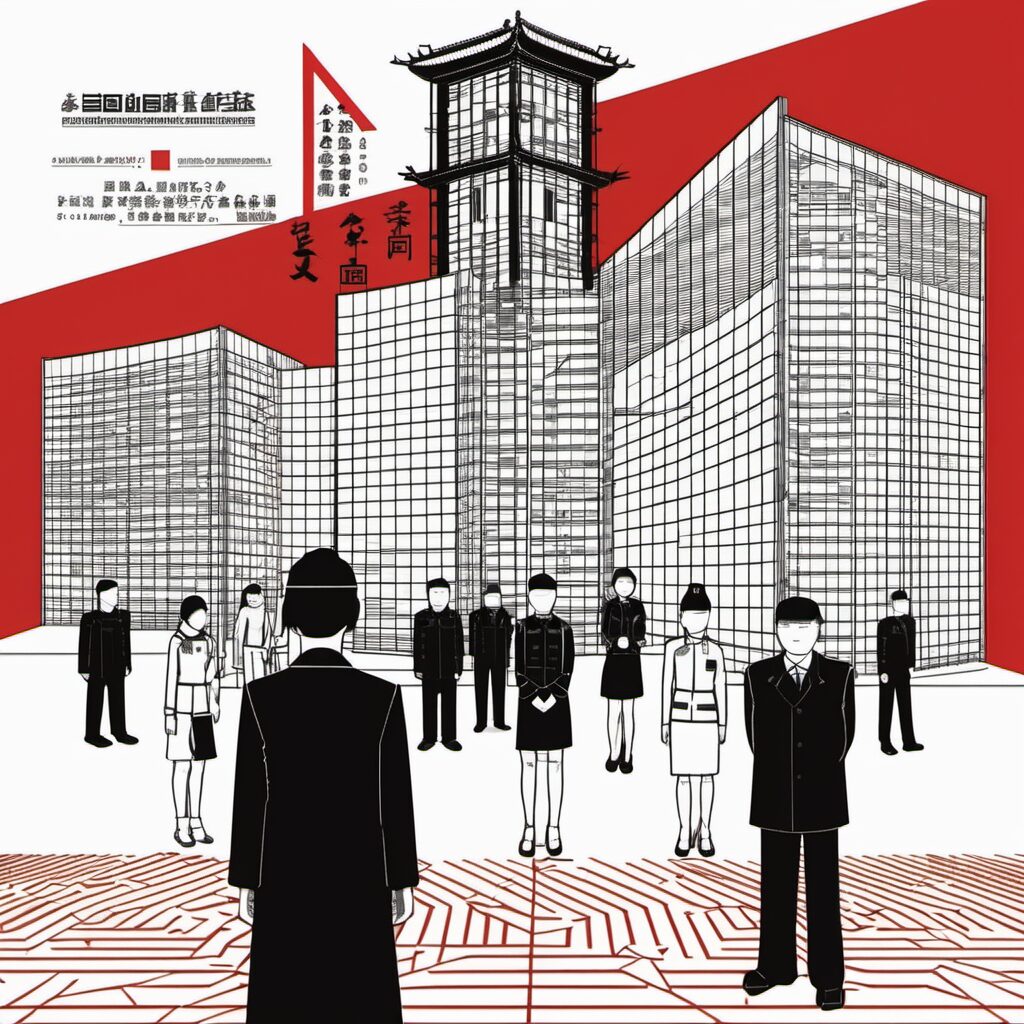
The narrative surrounding China’s economic ascent has, for decades, been inextricably linked to a carefully constructed image of progress and stability. However, beneath the glittering skyscrapers and record GDP growth lies a deeply troubling reality: a systematic and pervasive crisis of human rights. This analysis delves into the documented abuses, the systemic nature of the problems, and the chilling consequences for millions of Chinese citizens, challenging the optimistic projections often presented by the Chinese government.
The Numbers Don’t Tell the Whole Story
Official statistics released by the Chinese government consistently paint a favorable picture. Yet, independent reports and testimonies from human rights organizations reveal a starkly different picture. “The government’s manipulation of statistics is a crucial part of its strategy to conceal its human rights abuses,” states Sophie Richardson, China Director at Human Rights Watch. “They selectively present data to portray a narrative of success, while ignoring the realities on the ground.”
- Uyghur Genocide and Forced Labor: The situation in Xinjiang, particularly concerning the Uyghur Muslim population, is arguably the most egregious violation. Evidence overwhelmingly points to a systematic campaign of repression, including mass detention in ‘re-education camps,’ forced labor, and cultural eradication. Human Rights Watch’s report on Xinjiang details the scale of these abuses.
- Suppression of Dissent: Freedom of speech and expression are severely curtailed. The government utilizes a sophisticated surveillance system – often referred to as the “Social Credit System” – to monitor and punish dissent. “The Social Credit System is a tool for social control, used to punish individuals for expressing opinions that the government deems undesirable,” explains Michael Howard, former UK Shadow Home Secretary.
- Hong Kong’s Erosion of Autonomy: The imposition of the National Security Law in 2020 has effectively dismantled Hong Kong’s autonomy, severely restricting freedoms and undermining the rule of law. BBC News Report on Hong Kong’s Situation highlights the impact of the law.
Systemic Abuses and the Role of the State
The human rights crisis in China isn’t simply a matter of isolated incidents. It’s a systemic issue rooted in the authoritarian structure of the Chinese Communist Party (CCP). The Party’s emphasis on social stability and economic growth has consistently trumped concerns for individual rights. “The CCP views dissent as a threat to its legitimacy and stability,” says Benedict Harris, a Senior Analyst at Freedom House. “Therefore, it is willing to employ any means necessary to maintain control.”
“China’s human rights record is a profound embarrassment for the 21st century. It is a country that has achieved extraordinary economic growth, but at the expense of fundamental freedoms and the dignity of its people.” – Former UN High Commissioner for Human Rights, Navi Pillay (2019)
Looking Ahead – The Need for Accountability
Despite the overwhelming evidence of human rights abuses, international pressure has been limited. “The international community needs to hold the Chinese government accountable for its actions,” states Param Singh, a specialist in international relations. “Silence is complicity.” Continued scrutiny, targeted sanctions, and support for human rights defenders within China are crucial steps towards achieving a more just and equitable future for the nation.
“`
Leave a Reply
You must be logged in to post a comment.