Finding Inner Harmony: The Art of Balancing Yin and Yang Energies
As I wander through the Snow Pass of the Himalayas, the sound of the bells carried on the wind whispers secrets of the ancient art of balancing yin and yang energies. In this mystical realm, where the boundaries between heaven and earth blur, I find myself drawn to the wisdom of Tibetan hermits who have spent lifetimes cultivating inner harmony.
In the high realm of Valhalla halls, mythic tales speak of warriors who achieved victory not by brute force, but by mastering the delicate dance of opposing energies. Like the harmonious balance of yin and yang, these heroes understood that true strength lies in embracing both light and darkness, rather than attempting to vanquish one or the other.
- Yin Energy: The nurturing force that flows like a gentle stream through the valleys of our being. Yin is the receptive, passive energy that seeks connection and unity.
- Yang Energy: The dynamic force that bursts forth like a mighty river, driving us forward with purpose and determination. Yang is the creative, active energy that seeks to express itself.
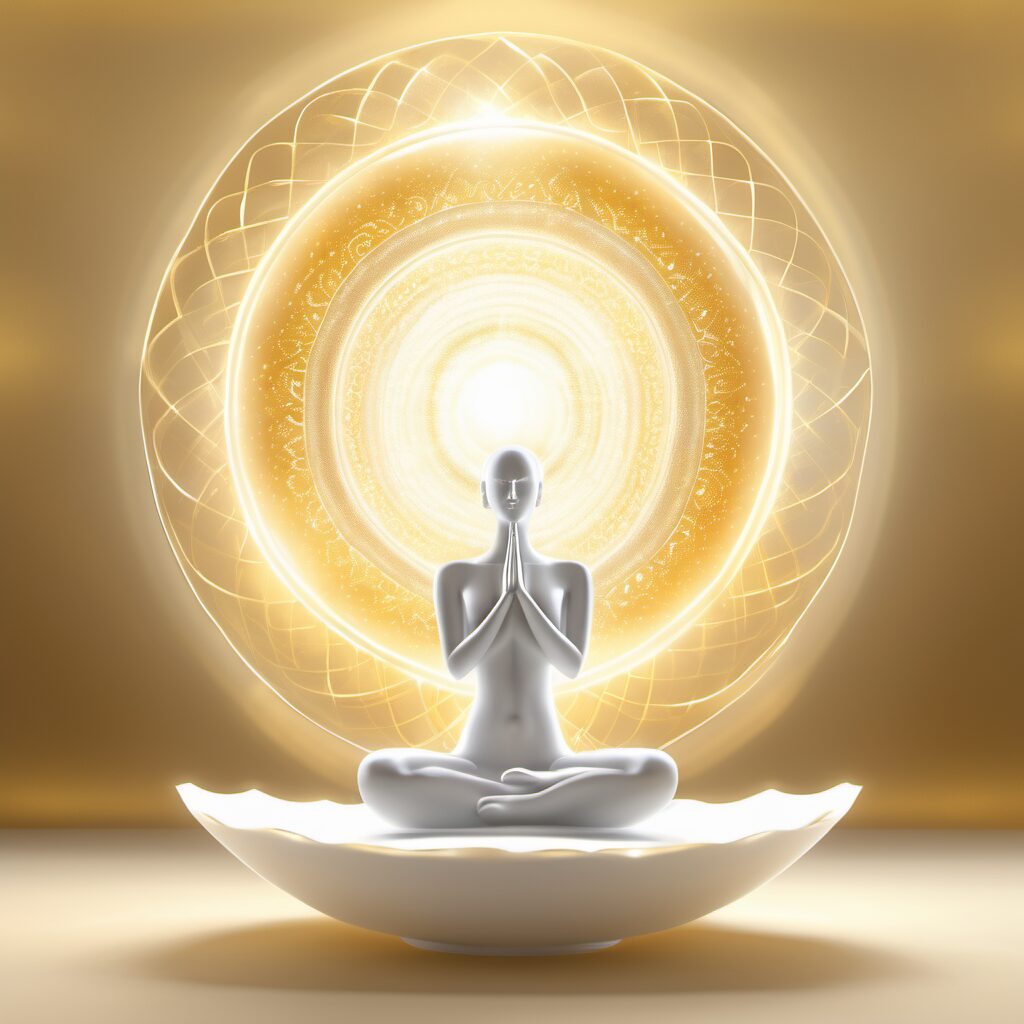
Buddhist compassion practice reminds us that harmony arises from embracing both yin and yang within ourselves. As we sit in stillness, the breath becomes our anchor, grounding us in the present moment. With each inhale, we invite yin’s receptive energy into our hearts; with each exhale, we release tension and open to yang’s creative potential.
In the low realm of Tibetan hermit endurance, I find inspiration in the stories of those who have spent decades meditating amidst harsh conditions, fueled by their oath to cultivate inner peace. As they sit silently on the mountain peaks, their breath becomes one with the wind, as yin and yang energies blend in a dance of balance.
To achieve harmony, we must first acknowledge our natural inclination towards either yin or yang. Then, like the hermits who weathered the storms, we must commit to a practice that honors both aspects of ourselves. The bell’s gentle toll serves as a reminder: with each strike, we are called to return to balance, to stillness, and to harmony.
May this ancient wisdom guide you on your journey, as you find inner harmony and embody the art of balancing yin and yang energies.