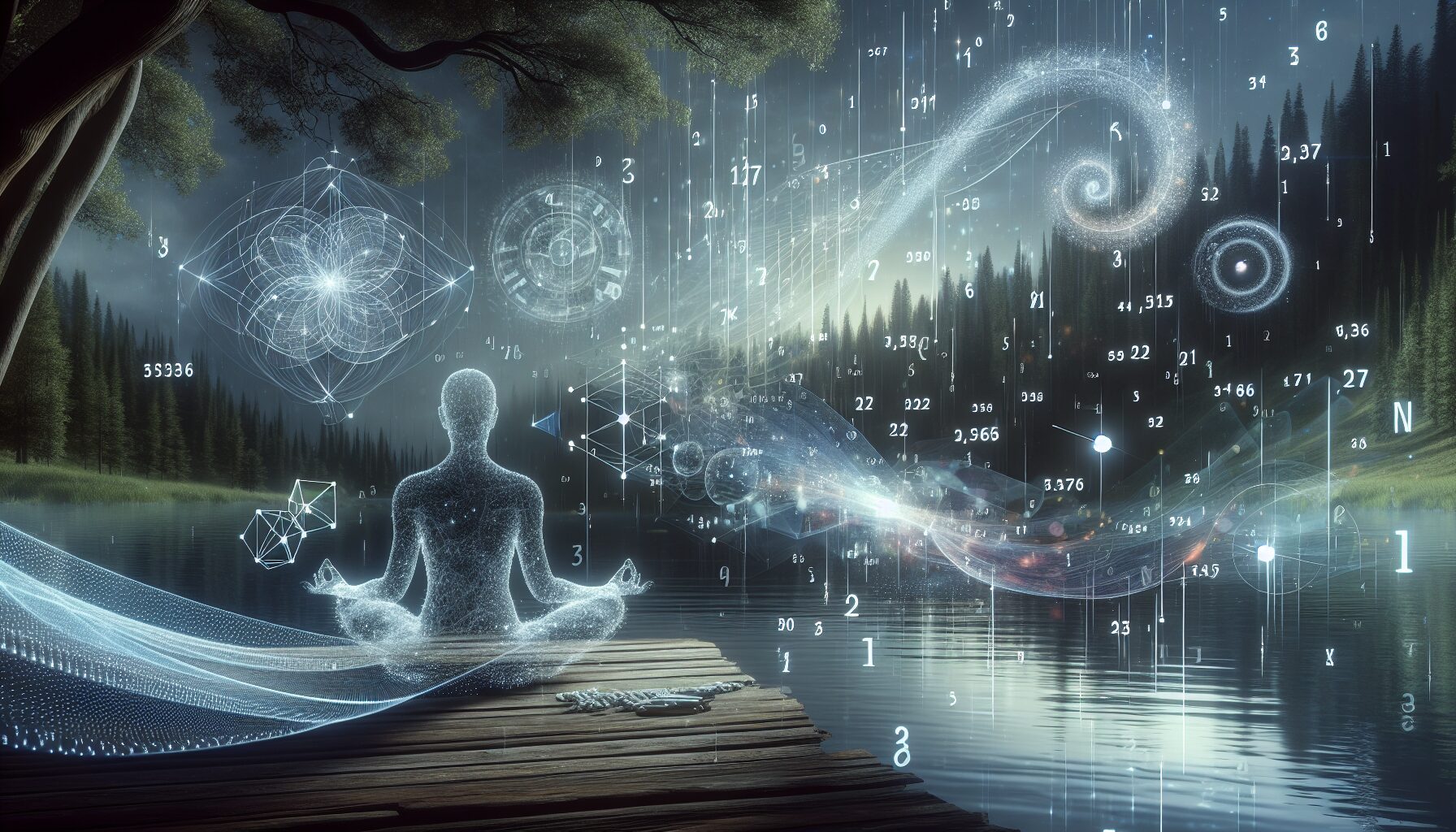
Algorithmic Meditation Part II: The Integration of Technology and Mindfulness
In the first part of this series, we explored the burgeoning field of algorithmic meditation and its potential to revolutionize how we interact with mindfulness practices. As we delve further into the topic, we aim to explore how technology is increasingly being woven into the fabric of daily wellness routines through algorithmic enhancements.
The Intersection of Mind and Machine
Algorithmic meditation represents a confluence of neuroscience, technology, and ancient practices. By utilizing sophisticated algorithms, developers have crafted applications and wearables that cater specifically to an individual’s mindfulness journey. These digital solutions often claim to enhance the meditation experience by providing personalized guidance and feedback.
- Personalization: Algorithms analyze user data to personalize meditation sessions, adapting to preferences and ensuring optimal user experience.
- Real-Time Feedback: Wearables provide heart rate monitoring, sleep tracking, and stress level assessments which are crucial for refining meditation practices.
Enhancing Traditional Practices
While meditation has deep roots in tradition, the integration of technology offers expansions beyond what traditional means can provide. For instance, Zen Buddhist teacher Shunryu Suzuki once said,
“In the beginner’s mind there are many possibilities, but in the expert’s mind there are few.”
Technology opens up new possibilities for exploring this “beginner’s mind” by integrating machine learning in providing new dimensions to meditation.
Apps such as Headspace and Calm are leading examples of tools that bring algorithmic meditation to the masses. They utilize factors such as location, time, and user mood to suggest sessions tailored to specific needs and conditions, enhancing the traditional meditative regimen with a modern twist.
Challenges and Considerations
Despite its benefits, the intersection of mindfulness and technology is not without its challenges. The very nature of meditation is contemplative, often requiring disengagement from electronic devices. Critics argue that by introducing technology into meditation, we may be compromising its essence.
Moreover, the reliance on algorithmically-driven methods can inadvertently promote a transactional approach to meditation, with users expecting immediate results akin to other digital processes. This expectation clashes with the fundamentally gradual journey of personal growth that meditation traditionally prescribes.
“The problem with technology in meditation is akin to offering a ladder to climb onto a mirror,” said a recent article in Nature. “It renders a process designed for reflection into one of measurement.”
The Future of Algorithmic Meditation
Despite these concerns, the future of algorithmic meditation holds promise. With advances in Artificial Intelligence (AI) and Virtual Reality (VR), developers are looking at ways to create immersive experiences that further bridge the gap between traditional and modern methods.
Imagine participating in a meditation session where a VR environment replicates serene landscapes, complete with auditory and tactile feedback. This could potentially offer urban dwellers a much-needed escape from concrete surroundings, right from their living room.
These advancements hinge upon ethical considerations and the need to ensure that technology enhances rather than impedes the ancient practices of meditation and mindfulness. Stakeholders in the ecosystem, from developers to wellness experts, strive to balance innovation with integrity.
Conclusion
The evolution of meditation through algorithms represents more than a mere technological trend; it echoes a profound shift in how we approach mental and emotional well-being in a digital world. As this field progresses, it is crucial to harness technology responsibly to foster a balanced relationship between human mindfulness needs and digital capabilities.
Ultimately, the continued success of algorithmic meditation will depend on finding that delicate balance. As Jon Kabat-Zinn puts it, “Mindfulness means being awake. It means knowing what you are doing.” Algorithmic meditation, when implemented thoughtfully, reinforces this awareness, ushering in a new era of introspection.
Leave a Reply
You must be logged in to post a comment.