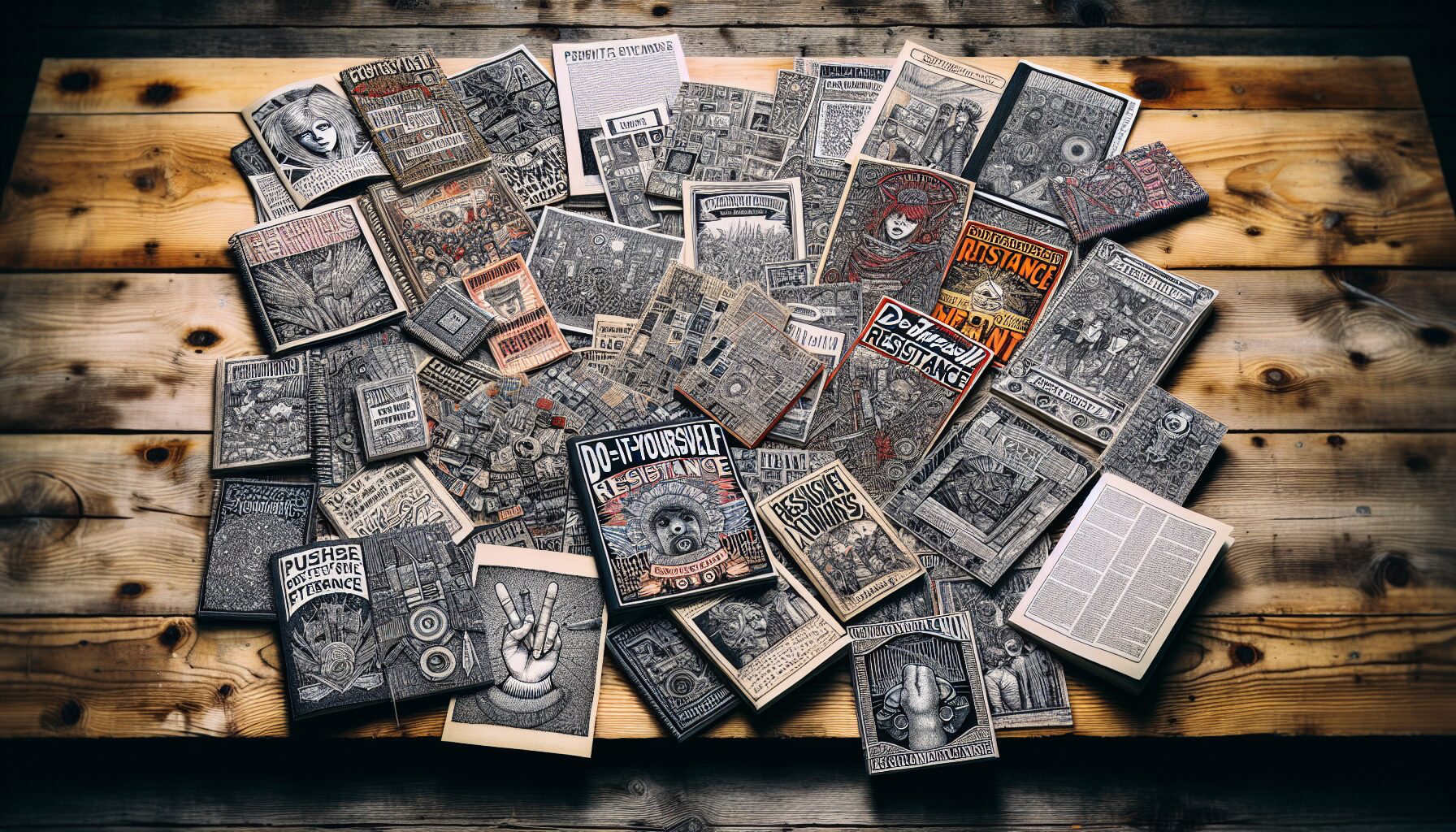
In a world dominated by digital media, the humble zine continues to hold immense power as a tool for DIY resistance and personal expression. Zines, short for magazines or fanzines, are usually self-published, small-circulation booklets about an endless variety of subjects. They are a hallmark of grassroots movements and have been crucial in giving marginalized voices a platform, fostering community, and driving social change.
The Origins of Zine Culture
The origins of zines can be traced back to the early 20th century with the rise of science fiction fanzines. According to BBC Culture, the first sci-fi zine, The Comet, was published in 1930 by the Science Correspondence Club in Chicago. However, the zine truly came into its own during the punk movement of the 1970s. As the Punk Magazine emerged in New York City, it became a quintessential example of the DIY ethos, creating a space for raw artistic expression and alternative viewpoints.
The Mechanics of Zine Making
Creating a zine is remarkably accessible—one of its strongest appeals. A creator typically writes, designs, and assembles their zine, photocopying pages to make as many copies as they need. The tools required are minimal: paper, pens, scissors, a glue stick, and a photocopier or a printer. This hands-on process makes each zine a piece of art, an embodiment of the creator’s labor and vision.
- Design: Zines can be as elaborate or minimalist as the creator wishes. The design often includes illustrations, photography, and typewritten content or handwritten notes.
- Content: Topics vary widely, from personal narratives and political manifestos to art, poetry, and niche interests.
- Distribution: Common methods include trading with other zinemakers, selling at local fairs, or sharing in community spaces like bookstores and libraries.
Zines as Tools of Resistance
Zines have consistently been a powerful medium for challenging the status quo. They serve as platforms for voices that are often underrepresented or ignored by mainstream media. This aspect has made them invaluable in movements advocating for feminist, LGBTQ+, racial equality, and environmental activism.
“Zines have served as a method for disenfranchised groups to express their perspectives and share their truths.” – Zinebook
- Feminist Literature: The Riot Grrrl movement of the 1990s is a prominent example. Zines like Bikini Kill facilitated a conversation on female empowerment and the redefinition of punk feminism.
- Queer Identity: LGBTQ+ communities have long used zines to explore and affirm their identities, fostering a sense of belonging and shared experiences. Publications like Gayzette and QZAP (Queer Zine Archive Project) have been vital in this regard.
- Race and Ethnicity: Zines focused on racial justice and cultural narratives have exposed systemic inequalities and celebrated diversity. Race Riot and La Raza exemplify how zines can promote multicultural understanding and activism.
Zines in the Digital Age
While printed zines remain beloved for their tactile nature, the digital age has introduced new dimensions to zine-making. E-zines and online archives have expanded the reach of zines, making them accessible to a global audience. Digital platforms allow creators to share their work more easily and sustainably, without the constraints of printing costs. Yet, the essence remains the same: offering a raw, unfiltered glimpse into the creator’s world.
Preserving the Zine Culture
The preservation of zines is crucial for historical and cultural documentation. Libraries and archives around the world have recognized their importance. Institutions like the Barnard College Zine Library and the Feminist Art Gallery in Toronto have established vast collections, safeguarding these ephemeral works for future generations.
Archive Significance: By preserving zines, archives not only protect unique artistic expressions but also provide valuable insights into social movements, community dialogues, and individual minds at crucial historical junctures.
Conclusion: The Enduring Impact of Zines
Zines exemplify a legacy of resistance through the printed word. They remind us of the power of DIY culture—how creativity and resourcefulness can produce significant social change. Their influence extends beyond physical pages; they inspire individuals to think critically, act boldly, and communicate authentically. As long as there are stories to tell and truths to speak, the zine will remain a vital tool for personal and political expression.
By embracing zines, we continue to support a medium that honors diverse voices and democratizes publishing, ensuring that everyone has the means to craft their narratives and contribute to the collective resistance.
Leave a Reply
You must be logged in to post a comment.