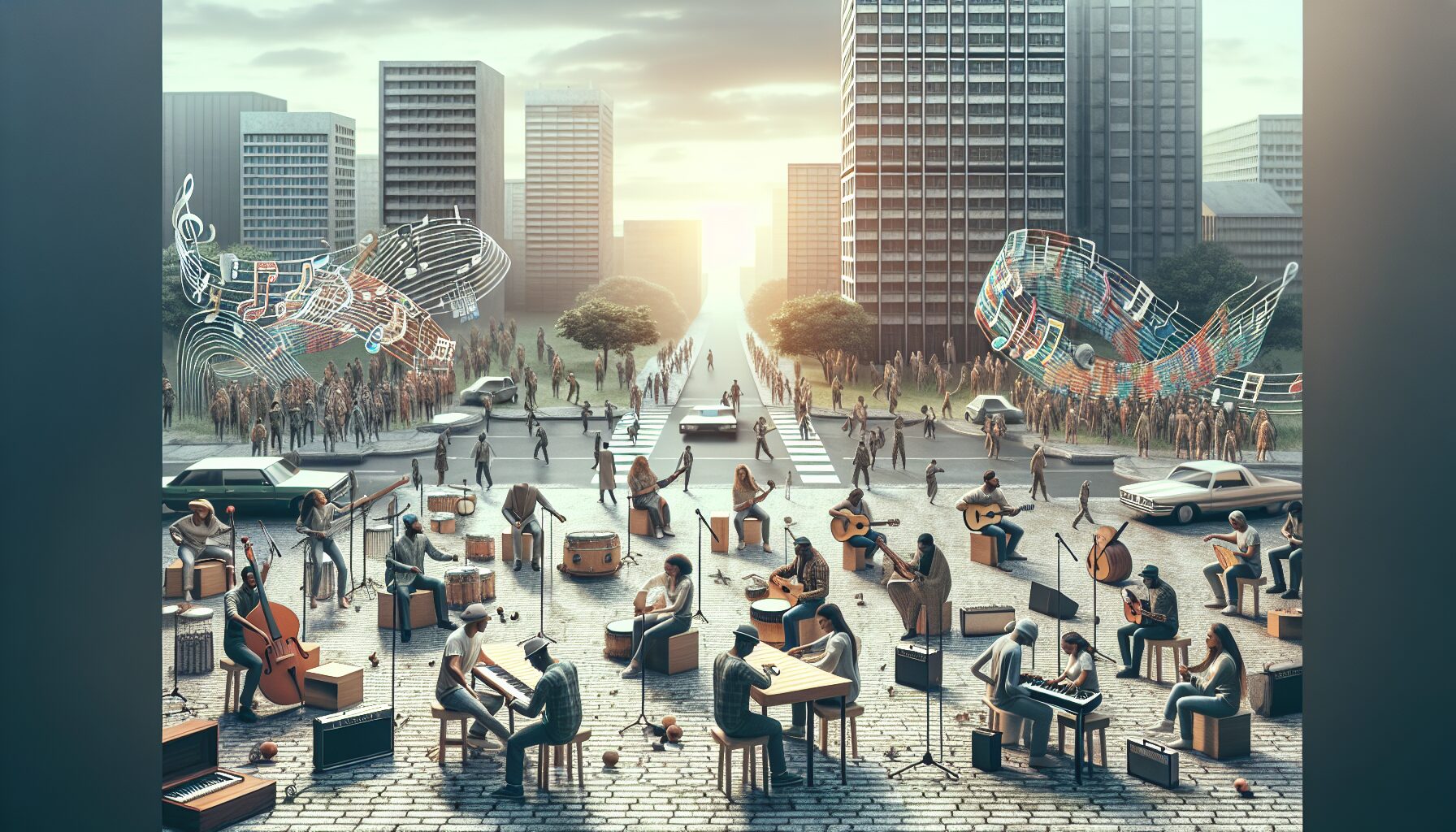
Radical Sonic Practices Guide: Music as Social Intervention
In the ever-evolving landscape of activism, music has stood as a powerful vehicle for change. As artists and communities worldwide continue to harness sound as an instrument of transformation, the exploration of radical sonic practices offers insights into how music functions as a tool for social intervention.
The Power of Sonic Activism
Music is, by nature, participatory and communal. Its visceral capacity to evoke change has long been documented across various cultures and movements. From protest songs during the civil rights era to the revolutionary rhythms of modern movements, sound has consistently been wielded as a mechanism for communication, solidarity, and action.
- Communication: In environments where speech is restricted, music provides a covert yet powerful means of expression. It can articulate emotions and issues when words alone fall short.
- Solidarity: Shared musical experiences foster community and connection among individuals with common goals and challenges.
- Action: Songs have the distinct ability to mobilize and inspire collective action, galvanizing crowds into movements of change.
Case Studies in Sonic Interventions
1. The Cultural Revolution Through Hip-Hop
Hip-hop, emerging from the Bronx in the 1970s, quickly transcended boundaries of entertainment to become a powerful medium for social commentary and change. As Chuck D famously put it, “Rap is black America’s CNN,” (Forbes) capturing the lived realities of marginalized communities and confronting political injustices with unflinching honesty.
2. The Sonic Embodiment of Resistance in Chile
In Chile, the cacerolazo—the banging of pots and pans—emerged as an innovative sound-based protest. This percussive resistance became emblematic of social discontent in a culture that tightly integrates music and political expression. As Daniela Candia, a Chilean activist, notes, “This sound is a call for justice.” [The Guardian]
3. Soundscapes in Environmental Activism
Sonic practices are not limited to human political struggles. Environmental activists employ soundscapes—recordings of natural and human-impacted environments—to raise awareness and prompt action. One prominent example is Bernie Krause’s soundscape ecology, wherein he utilizes the sound of nature to highlight the devastating effects of human activity on ecosystems. [National Geographic]
Radical Sonic Practices Today
Emerging artists and activists are leveraging technology to further enhance the impact of sonic activism. Digital platforms, live-streamed performances, and virtual soundscapes offer new ways to engage, educate, and mobilize global audiences. These modern approaches allow for a more inclusive participation, bridging gaps among diverse groups.
“Music is the shorthand of emotion,” remarked Leo Tolstoy. This embodies the heart of why music so effectively transcends barriers—linguistic, cultural, or ideological—offering a shared emotional language conducive to solidarity and action.
Technological Innovations in Sound-Based Activism
- Virtual Concerts: Platforms like Twitch and YouTube Live enable artists to share their message in real-time, reaching audiences worldwide irrespective of geographic constraints.
- Interactive Sound Installations: Technologically driven installations allow individuals to actively engage with political and social issues through curated sonic experiences.
- Online Collaborative Projects: Musicians and activists collaborate across borders to create pieces that reflect global issues, fostering international solidarity.
Future Prospects and Challenges
While radical sonic practices continue to evolve, challenges remain. Issues of accessibility, representation, and censorship pose significant hurdles to the efficacy of music as a social intervention. However, the resilience and creativity inherent in the global music community assure continuous innovation and impact.
The future of music as a form of social intervention rests on its ability to adapt, diversify, and incorporate emerging technologies while remaining rooted in community and empathy. As these practices become increasingly acknowledged as significant in dialogues around social justice, the potential for profound global impact grows ever more apparent.
In closing, radical sonic practices demonstrate that music is much more than artful sound; it is a living, vibrant form of social currency and potential transformation. As musicians, activists, and listeners, we are all participants in this ongoing symphony for change.
Leave a Reply
You must be logged in to post a comment.