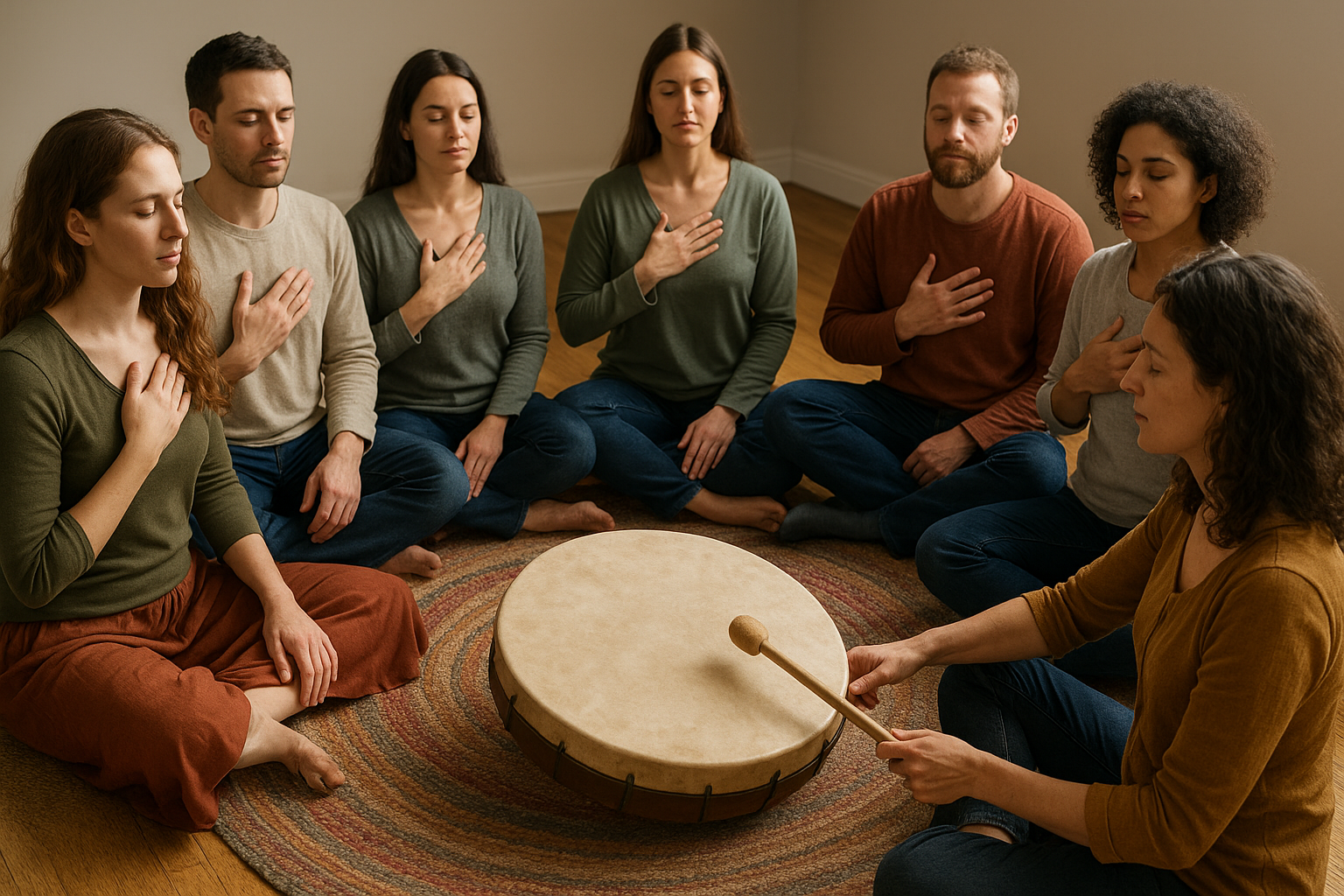
Sounding the Circle — Group Ritual Formats That Don’t Require a Leader
Throughout history, humans have participated in rituals to mark important events, create a sense of community, and connect with deeper aspects of themselves and others. While many such rituals have traditionally been guided by a designated leader, there is a growing interest in group ritual formats that eschew a hierarchical structure, promoting egalitarianism and collective energy. These rituals capitalize on the concept of shared space and intention, empowering participants to co-create meaningful experiences without a single person directing the process.
The Rise of Leaderless Rituals
As society gravitates towards more egalitarian structures in various domains, from business to governance, it is no surprise that group rituals are reflecting similar trends. The democratic nature of these leaderless formats aligns with contemporary values of inclusivity and shared responsibility. According to anthropologist Victor Turner, rituals offer a space for “communitas,” a spontaneous bond of communion among people, which naturally lends itself to non-hierarchical participation.
Examples of Leaderless Rituals
-
Talking Circles
Common in Indigenous cultures, talking circles invite participants to share their thoughts and experiences in a respectful and equal manner. Often, a “talking stick” or similar object is passed around, granting the holder the right to speak without interruption. This structure promotes active listening and equal voice among all participants.
-
Drum Circles
Drum circles are a popular form of collective musical expression, fostering a sense of rhythm and unity. These gatherings are typically improvised, encouraging each participant to contribute their own beats. As music educator Christine Stevens notes, “The beauty of drumming is that everyone finds their place in the circle.” (Christine Stevens)
-
Silent Meditation Groups
In silent meditation gatherings, individuals come together to share a space of tranquil reflection without a guiding voice. This format allows each participant to delve inward, experiencing the collective energy and serenity created by the group’s silent presence.
Benefits of Leaderless Rituals
Participating in leaderless rituals offers numerous advantages to individuals and groups:
- Empowerment: Without a single leader, each participant is encouraged to take initiative and responsibility, leading to an empowering sense of ownership over the ritual.
- Inclusivity: These rituals foster an inclusive environment where all voices are valued equally, helping to break down traditional power dynamics.
- Enhancing Creativity: The absence of a predetermined structure encourages spontaneous creativity and experimentation, often leading to unique and dynamic collective experiences.
Challenges and Considerations
While leaderless rituals offer numerous benefits, they are not without challenges and considerations:
- Organizational Issues: Without a specific person guiding the process, it may be challenging to coordinate logistics and ensure that the rituals proceed smoothly.
- Balance of Participation: Ensuring that all participants are equally engaged and that no voices dominate can require conscious effort from the group.
- Cultural Sensitivity: It is crucial to respect the origins of rituals borrowed from cultural traditions, ensuring they are adapted with understanding and reverence.
Facilitating Leaderless Rituals
To facilitate effective leaderless rituals, consider the following guidelines:
- Set Clear Intentions: Before beginning, collectively establish intentions or themes to provide a shared focus for all participants.
- Utilize Physical Symbols: Incorporating talking sticks or other symbolic objects can help organize the flow of participation in a gentle manner.
- Create Safe Space: Designate the ritual area as a space where all feelings and expressions are welcome, ensuring that everyone feels safe and respected.
“When we come together in such a way that there are no leaders, no followers, there is nothing to follow, nothing to lead, we drop our agendas and meet each other in the flowering of our humanity.”
Conclusion
Leaderless rituals are a transformative vehicle for personal and collective growth, creating opportunities for connection, expression, and shared humanity. In a world seeking balance and equality, these ritual formats offer participants a way to engage with each other authentically and collaboratively, sounding the circle of unity and understanding.
As we explore these formats further, we tap into the timeless human capacity to create and hold communal space, fostering an enriched collective experience that resonates across cultures and generations.
Leave a Reply
You must be logged in to post a comment.