The Language of Symbols – Communicating Through Icons and Ciphers
Symbols have been used as a form of communication throughout human history, serving not only to convey meaning but also to unite communities with shared understanding or create barriers through coded messages. In this article, we delve into the fascinrancelle world of iconography and ciphers – two distinct methods of symbolic language that have shaped how societies communicate across time.
- Icons as Universal Language
One powerful aspect of symbols is their ability to transcend linguistic boundaries, acting as a universal visual communication tool accessible for diverse populations regardless of language proficiency.
“In the world where words sometimes fail us due to misunderstanding or differences in dialects, images have always played an instrumental role. Through symbols and icons we can communicate effectively,” states Dr. Maria Gomez, a linguistic anthropologist at Harvard University.
From ancient cave paintings that depict hunting scenes to modern traffic signs directing the flow of cars across continents, visual representations have served as an essential aspect of human communication.
- Iconography in Art and Religion
Icons are not just limited to secular contexts but also profoundly influential within artistic and religious realms. They provide visual storytelling that captures the essence of spiritual narratives, evoking emotions without uttering a single word.
“The iconography in Byzantine churches conveys powerful messages about faith through complex patterns and symbolism,” explains Dr. John Kessler, an art historian specializing in religious artifacts from the medieval period.
Iconic representations of sacred figures such as Mary or Christ often serve to unify believers across cultures through shared iconographic references.

- The Art Deco Movement & Its Symbolic Richness
- Ciphers: Codes for Secrecy and Espionage
- Ciphers in the Digital Age
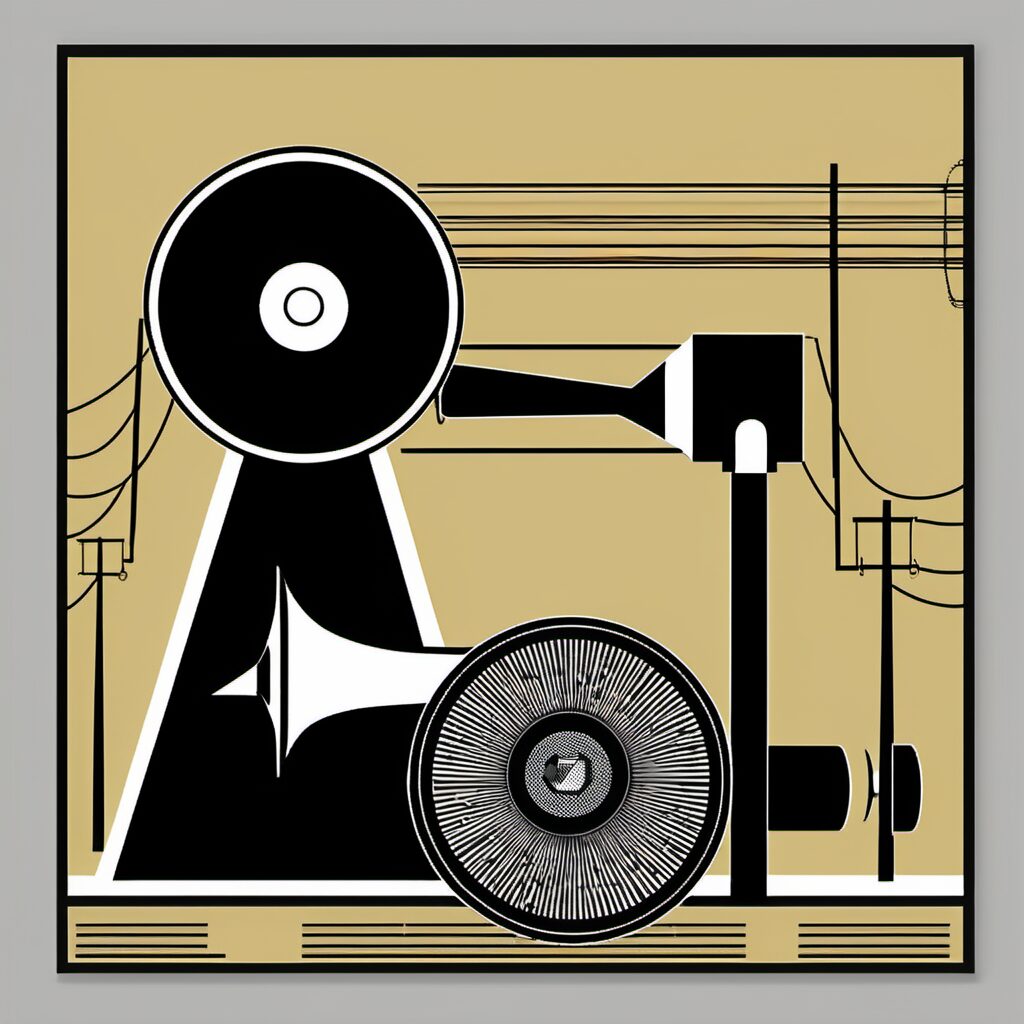
An artistic movement that has captivated millions with its streamlined aesthetic and geometric forms, the Art Deco era embodied an entire philosophy of design in symbols. It’s not just about beauty but also encapsulated culture and societal aspirations.
“Art Deco used bold lines and vibrant colors to signify sophistication, progress, technology, luxury,” explains Prof. Alice Richardson from the University of California at Berkeley who is an expert on Art Nouveau aesthetics.
The world of ciphered messages has long held an air of mystery, often associated with espionage. From ancient Egypt to World War II codebooks like the Enigma machine’s encryption methods.
“Codebreaking is not just about intelligence; it’s also a form of intellectual challenge,” says Dr. Edward Clarke from MIT who has extensively researched historical cryptography techniques.
With digital encryption, we have evolved ciphering into a modern necessity for privacy and security. Today’s world demands complex cryptographic algorithms to protect sensitive data from cyber threats.

As we embrace technology, icons take on new forms – from user interface symbols that guide us through our digital experience to encryption keys representing private information security.

- The Future of Symbolic Language in a Technological World
As AI and machine learning develop, so too does the interpretation of symbolism within digital media. Predictive algorithms could potentially decode symbols faster than ever before.

As we continue forward, symbols remain an integral part of our communication methods. They not only enrich art and culture but also protect secrets in the digital age.
Leave a Reply
You must be logged in to post a comment.