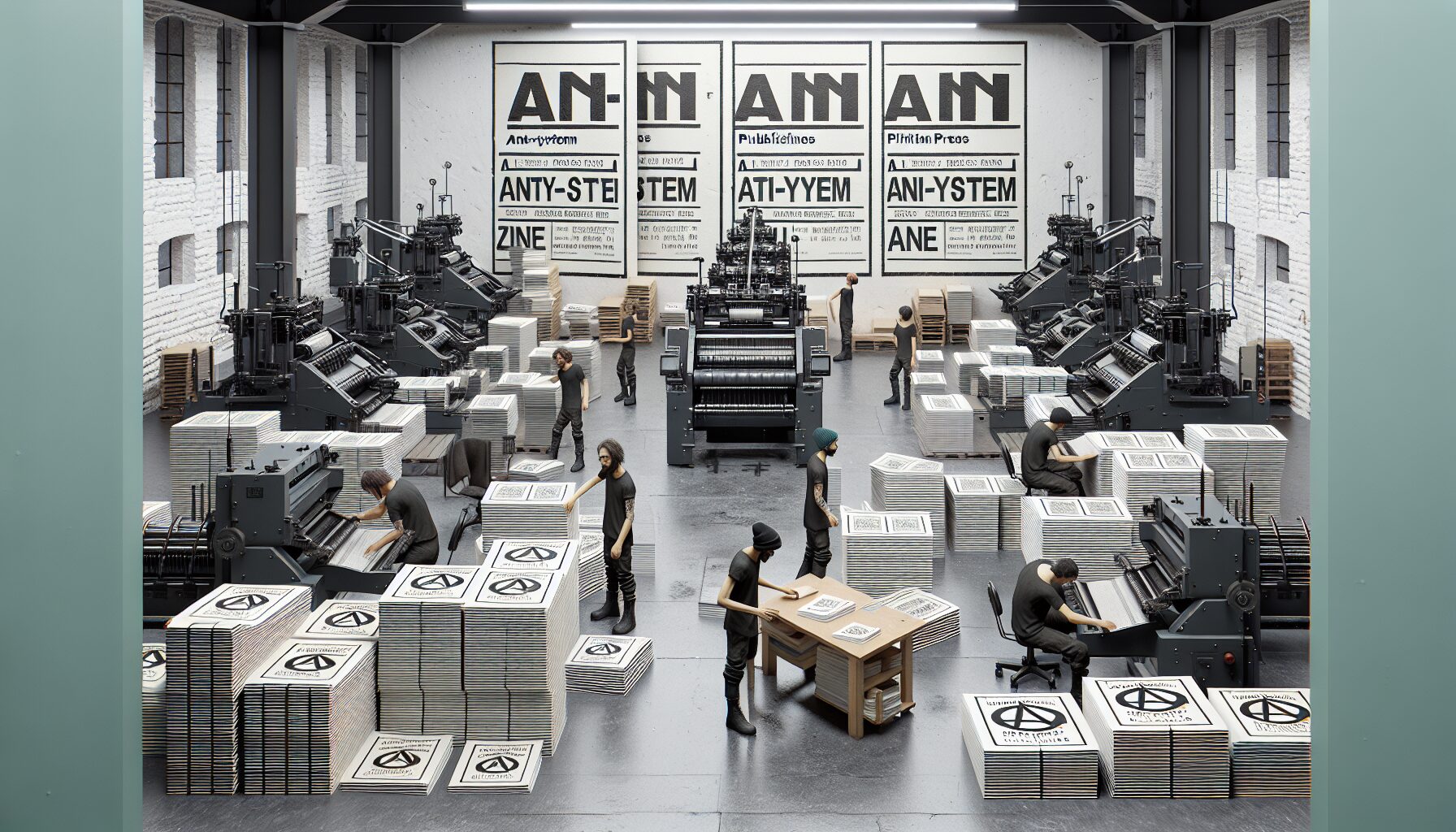
In a world dominated by digital screens and algorithm-driven content, there exists a subversive form of expression that remains defiantly analog: the zine. Anti-system zines, in particular, stand out as a powerful medium for those who challenge societal norms and resist the status quo. These self-published works have become a canvas for unfiltered creativity, dissent, and rebellion, reminiscent of a time when print was the primary means of mass communication.
The Zine: A Brief History
The concept of zines dates back to the early 20th century, with their roots in “fanzines” created by science fiction enthusiasts. These publications were typically small-circulation self-published works that catered to niche audiences. Zines started gaining momentum in the 1970s punk rock scene, where their DIY ethos perfectly matched the punk culture’s anti-establishment spirit.
As noted by Stephen Duncombe in his seminal work, Notes from Underground: Zines and the Politics of Alternative Culture, “zines are a way for people to create and spread ideas outside of any consideration of commerce or capital.” They became a platform for marginalized voices and countercultural movements to reach audiences without the interference of mainstream media.
Why Anti-System Zines Matter Today
In our digital era, where information is broadly accessible yet often sanitized and controlled, the rebellious nature of anti-system zines is more important than ever. Here’s why:
- Freedom of Expression: Zines offer a raw and unfiltered medium for expression. Writers and artists can publish politically charged content, radical thoughts, and art without censorship. There is no publishing house or corporate entity to dictate what can and cannot be included.
- Community Building: Anti-system zines often foster communities of like-minded individuals who share similar ideologies. These publications become a focal point for activism, providing vital information about protests, rallies, and other forms of resistance. In doing so, they create a sense of identity and belonging outside conventional societal structures.
- Preserving Anonymity: For those living under oppressive regimes or environments, anonymity can be a critical aspect of safety. Zines allow creators to voice opinions that they might otherwise suppress in public forums or online platforms where surveillance is a concern.
Making of an Anti-System Zine
The creation of a zine is as personal as it is political. The process is deliberately tactile, often involving cuts, pastes, handwritten notes, and photocopy machines. The aesthetics are purposefully imperfect, embracing a ‘rough around the edges’ charm that underscores the zine’s anti-corporate stance.
“The zine is a space where imperfection is celebrated,” says zine creator Sarah Rose Andrews in an interview with The Atlantic. “It’s about the message, the urgency, and the authenticity that’s lacking in polished media.”
The Content of Resistance
Anti-system zines cover a plethora of topics that range from political critiques to personal narratives, often with an underlying theme of resistance. Here are a few common themes:
- Environmental Activism: Many zines focus on climate change and environmental issues, offering insights and calls to action that may be absent from mainstream publications.
- Gender and Identity Politics: Zines are a platform where diverse voices can share experiences and discuss gender norms, feminism, and LGBTQ+ rights.
- Art and Culture: Alongside political content, zines often feature art, poetry, and cultural critiques that reflect on the current societal landscape.
Challenges Faced by Anti-System Zinesters
While the zine culture is resilient, creators face several challenges:
- Distribution Hurdles: Without formal distribution channels, reaching a broader audience can be difficult. Zinesters must rely on small bookstores, zine fests, and word of mouth.
- Resource Constraints: Financial and material resources are often limited for zine creators, which can hinder production and distribution.
- Surveillance and Censorship: In regions with strict censorship laws, distributing anti-system content can pose risks both legally and physically.
The Future of Anti-System Zines
The surge in interest in analog mediums amidst the digital revolution has sparked a revival of zines. As political climates shift and societal pressures grow, the zine remains a steadfast tool for radical expression. The community-centric and accessible nature of zines makes them apt vehicles for social change.
Lucy Cotton, a researcher in media studies, mentions in her paper “Zines and the New Media Ecology”, “The renaissance of zines in a digital age indicates a human need for tangible, authentic communication spaces where ideas can thrive unencumbered by commercial interests.”
Conclusion
Anti-system zines continue to serve as a bastion for those who dare to dissent. They thrive on limited budgets, fueled by passion and a fierce commitment to authenticity. As vehicles for ideas and stories often ignored by mainstream media, they tap into the enduring human desire to print without permission, celebrate grassroots creativity, and challenge the powers that be.
In a time when the omnipresence of digital media often feels overwhelming, zines remind us of the power inherent in taking control of the narrative, digging deep, and sharing stories that matter—stories told without restraint and with a resolute voice that echoes on paper.
Leave a Reply
You must be logged in to post a comment.