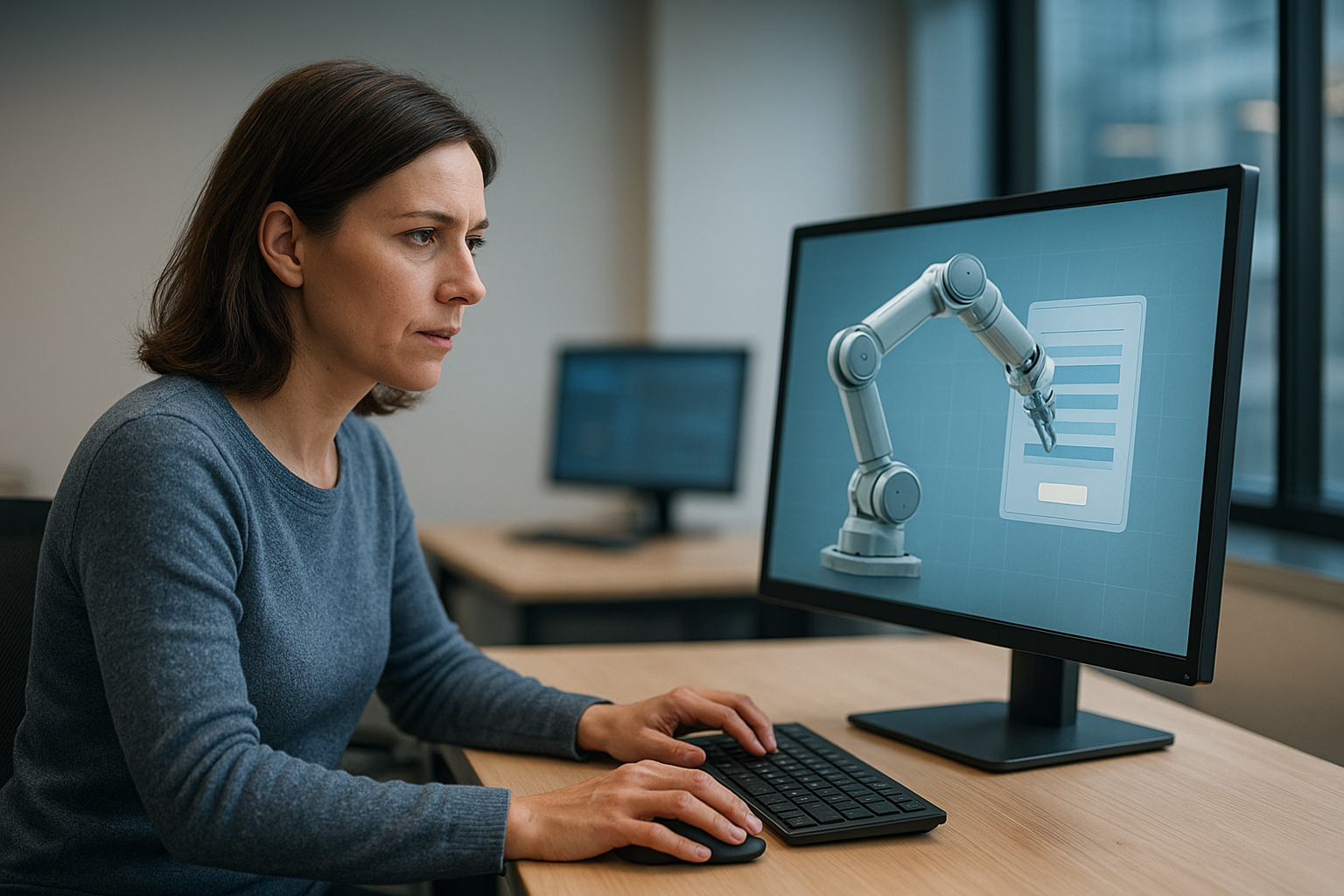
Human-in-the-Loop Design — Keeping Humans Central in Automated Systems
In the rapidly evolving landscape of technological advancement, Human-in-the-Loop (HITL) Design emerges as a pivotal approach that ensures human insight remains integral to automated systems. This design philosophy emphasizes the symbiotic relationship between humans and machines, advocating for systems that respect human intuition, adaptability, and oversight, especially in complex or high-stakes environments.
Understanding Human-in-the-Loop Design
At its core, Human-in-the-Loop involves the integration of human judgment and intervention in automation processes. It leverages human strengths such as critical thinking, contextual understanding, and ethical reasoning to enhance system reliability and effectiveness. As automation becomes more sophisticated, the necessity for human oversight cannot be overemphasized. MIT Technology Review elaborates, “By involving people in the AI development process, organizations can mitigate risks and improve system outcomes” (source).
Key Benefits of HITL Design
- Enhanced Decision-Making: By allowing human input, systems can adapt more readily to unforeseen situations that require nuanced understanding.
- Risk Mitigation: Human oversight helps in identifying potential failures and ethical dilemmas, improving the overall safety and accountability of automated systems.
- Improved User Experience: Collaborative systems that leverage human expertise tend to be more intuitive and user-friendly, as they are designed with human needs and behaviors in mind.
“The role of humans in automation is crucial—not only for operational efficiency but for ethical and smart decision-making across various sectors.” — IEEE Spectrum
Applications of Human-in-the-Loop
The application of HITL design can be seen across multiple domains:
- Aviation: Pilots work alongside advanced auto-pilot systems to ensure safe and efficient flights.
- Healthcare: Medical professionals use AI to diagnose diseases, where AI assists by providing data insights but doctors make final decisions.
- Finance: Financial analysts use AI-driven tools for stock trading, where AI provides predictions but human judgment is crucial for risk management.
The Future of Human-in-the-Loop
As we move forward, the integration of HITL in system design promises a future where automation empowers rather than replaces humans. By prioritizing human roles within automated environments, we can foster technological landscapes that are both innovative and responsible. Forbes highlights this evolution, stating, “In future scenarios, HITL could reshape how sectors leverage AI, emphasizing human creativity and ethical governance” (source).
Ultimately, Human-in-the-Loop Design is not just about keeping humans in the loop but about creating an enduring partnership between humans and machines.
Leave a Reply
You must be logged in to post a comment.