Futures of Resistance: Emerging Tactics and Movements Resisting Pervasive Visibility
In the digital age, where surveillance has become a ubiquitous part of daily life, movements and tactics to resist pervasive visibility are gaining momentum. This article explores various approaches, from grassroots activism to sophisticated technological countermeasures, employed by individuals and groups striving for privacy amidst an ever-watchful digital realm.
The Ubiquity of Surveillance
We live in an era where digital surveillance has become almost unavoidable. With the proliferation of smartphones, CCTV cameras, and online data collection, privacy is continuously under threat. According to a 2019 report by the Pew Research Center, “60
Grassroots Movements Leading the Charge
- Digital Rights Campaigns: Organizations like Electronic Frontier Foundation (EFF) and Privacy International are at the forefront of advocating for internet privacy and digital rights. These groups strive to educate the public about their digital footprints and advocate for stronger privacy protections.
- Community-Based Activism: Localized movements are crucial in the fight against encroaching surveillance. Groups often organize workshops on digital literacy, helping people understand and mitigate the risks of online tracking and data breaches.
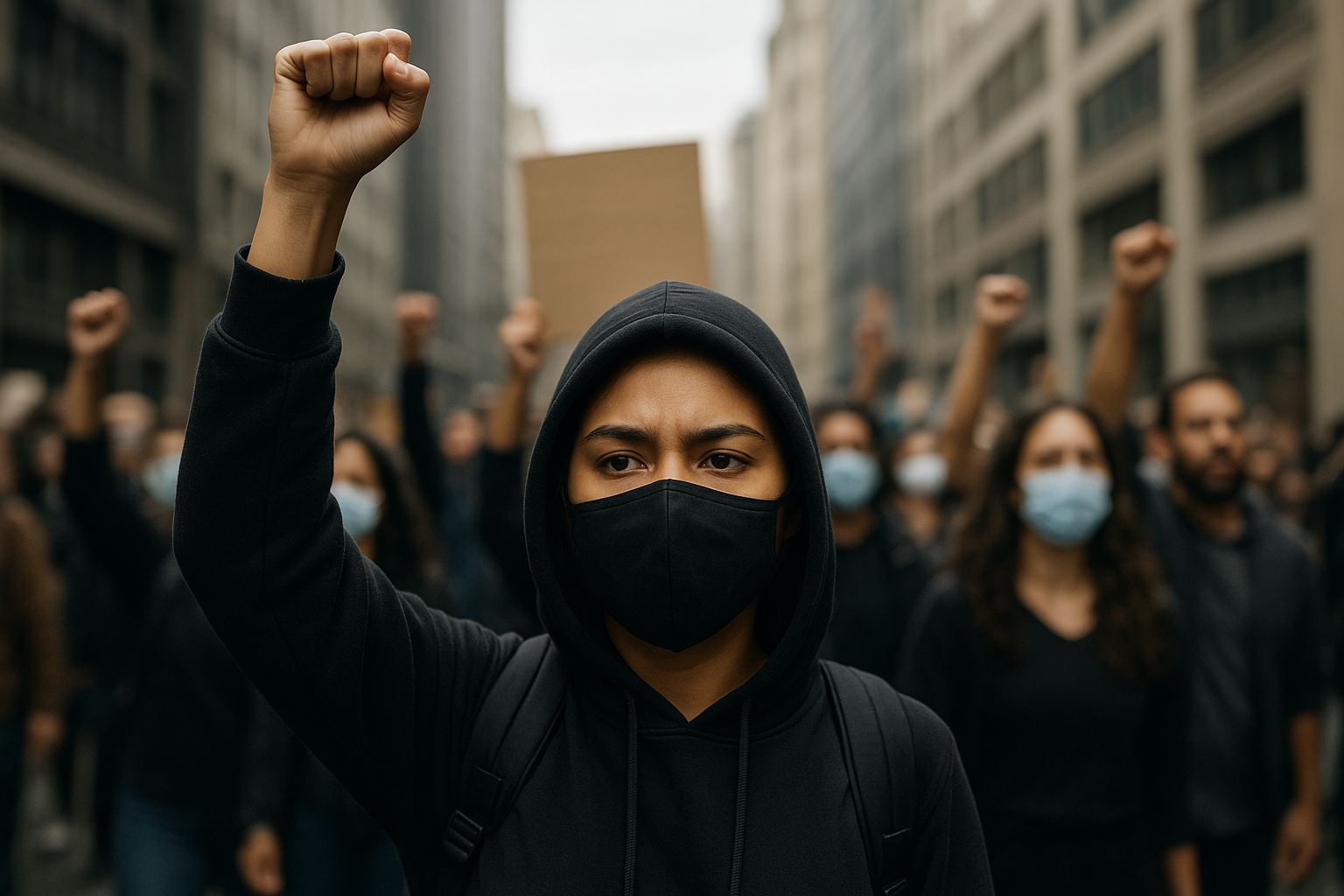
- Anonymous Public Demonstrations: The use of masks, such as the now-iconic Guy Fawkes mask, popularized by the film V for Vendetta, serves both as a symbol of protest and a practical tool for anonymity, shielding activists from facial recognition technologies.
Technological Countermeasures
The development of new technologies has also facilitated various methods to resist and circumvent surveillance. Here are some notable tactics:
- Encryption: Tools like Signal and Tor are essential for secure communication. These platforms use encryption to ensure that messages are accessible only to the sender and recipient, safeguarding the privacy of digital conversations.
- Privacy-Focused Hardware: Devices designed with privacy in mind, such as the Librem line of smartphones and laptops, offer physical switch-off capabilities for microphones and cameras, helping users take control of their device security.
- Artificial Intelligence and Machine Learning: While these technologies can be used to enhance surveillance, they can also be employed to develop adversarial attacks that deceive facial recognition systems. Such techniques involve subtly altering images so that they are either misidentified or not recognized at all.
Cultural and Artistic Responses
Art and culture have long been arenas for resistance, and the fight against surveillance is no exception. Artists across the globe are creating works that challenge the status quo and provoke thought about privacy and oversight.
- Surveillance Art: Artists like Trevor Paglen explore and expose the hidden aspects of surveillance through photography and installation art. His works often highlight the technological infrastructure underpinning global surveillance networks.
- Fashion as Camouflage: Designers like Adam Harvey have created clothing and accessories that thwart recognition technologies. Harvey’s Stealth Wear line, for example, features anti-drone garments that obscure thermal imprints, rendering users practically invisible to aerial surveillance.
International Legal Efforts
At the legislative level, efforts are being made to regulate surveillance and protect privacy rights. The European Union’s General Data Protection Regulation (GDPR) represents one of the most stringent privacy and security laws in existence, giving EU citizens greater control over their personal data.
“The empowerment and strengthening of data protection rights for individuals are at the core of our effort to create an ethical and secure digital environment.”
– European Commission
Moreover, international alliances such as the Partnership for AI are advancing the ethics surrounding AI development, promising to address and mitigate the potential invasions of privacy posed by advancing technologies.
The Road Ahead
Facing pervasive visibility requires an evolving blend of awareness, technological innovation, and legislative action. As these movements continue to grow, they emphasize the vital importance of privacy in maintaining democratic freedoms and individual rights.
Ultimately, the futures of resistance will depend on the collaborative efforts of activists, technologists, artists, and lawmakers. By harnessing the power of innovation and activism, society can develop robust defenses against surveillance and pave the way for a world where privacy is a protected and valued right.
Leave a Reply
You must be logged in to post a comment.