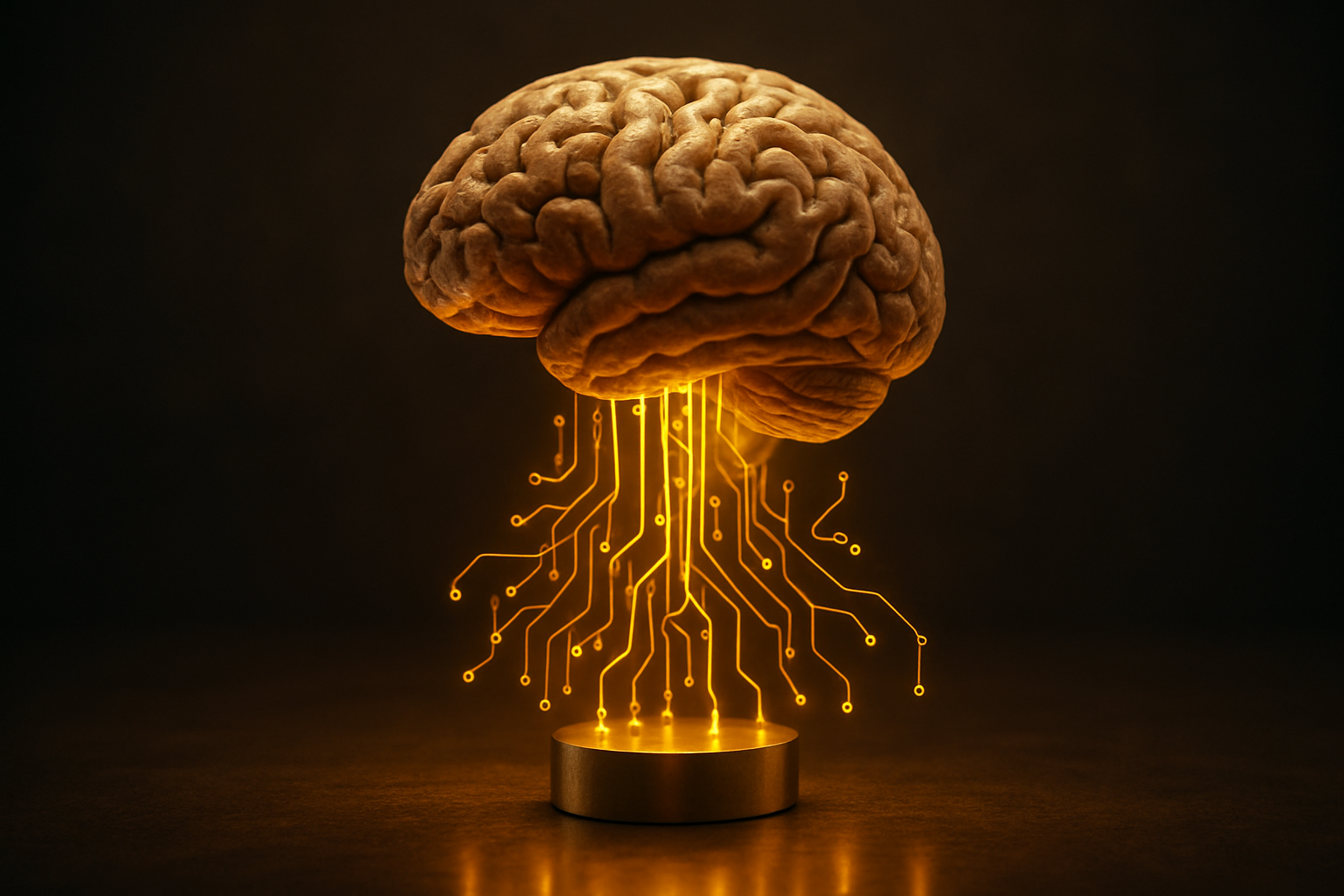
In an era where technological marvels are born of human ingenuity, the latest frontier—neuro-alchemy—promises to transform the way we interact with machines by turning thoughts into algorithmic commands. Like the alchemists of old who sought to transmute base metals into gold, modern scientists are delving into the depths of the human mind to convert neural signals into actionable algorithms.
The Science Behind Neuro-Alchemy
Neuro-alchemy is a burgeoning interdisciplinary field that merges neuroscience, artificial intelligence, and advanced computing. At its core, this revolutionary science relies on brain-computer interfaces (BCIs) that decode neural activity into digital instructions. According to a landmark study conducted by Neuroscience News, researchers are now able to achieve “direct communication between the human brain and external devices, facilitating the control of everything from prosthetics to computers with mere thought.”
Applications and Impact
The implications of neuro-alchemy are both vast and profound. Among the most promising applications are:
- Medical Advancements: BCIs are revolutionizing the field of prosthetics, giving individuals with mobility impairments newfound independence.
- Enhanced Human-Machine Interaction: The seamless integration of brain signals with computers opens up new paradigms in user interface design.
- Interactive Entertainment: Video games and virtual reality experiences can now respond dynamically to a user’s mental state, offering personalized gaming experiences.
Dr. Peter Berman, a leading researcher in brain-machine interfacing, notes,
“The potential to harness thoughts to directly control technology not only changes how we interact with devices; it challenges core concepts of user involvement and interaction design.”
Challenges and Ethical Considerations
Despite these advances, neuro-alchemy is not without its challenges and ethical considerations. Data privacy and the potential for misuse in surveillance or unauthorized control are primary concerns. As stated by the Wired Magazine, “as with any technology that interfaces directly with our brains, there lies the potential for both great benefit and significant risk.”
Moreover, the accuracy and accessibility of such technology remain hurdles that researchers must overcome to ensure universal applicability and usability.
The Future of Thought-Driven Technology
Neuro-alchemy holds the promise to not only redefine the boundaries of human potential but also to reshape industries and societal norms. As we continue to refine the process of turning thought into algorithmic gold, the dream of a future where brainwaves seamlessly guide technology comes ever closer to reality.
As we stand on the cusp of this new age, the metaphor of alchemy is particularly apt. It invokes the mysterious and transformative powers of science harnessed by humanity’s boundless curiosity.
Leave a Reply
You must be logged in to post a comment.