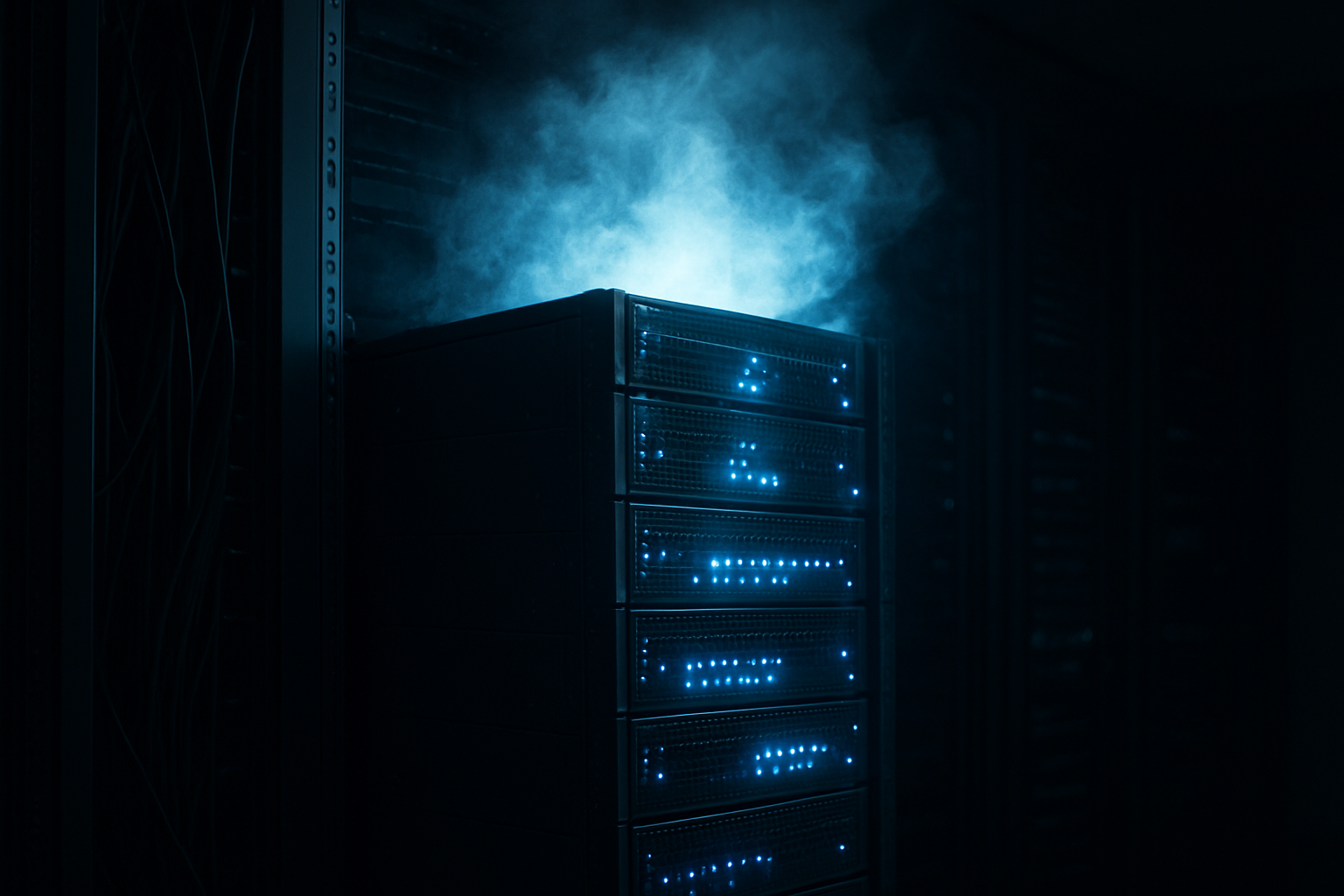
Dream Servers: Hosting Subconscious States in Code
For centuries, dreams have been an enigmatic aspect of the human experience: elusive, magical, and often perplexing. Psychologists and neurologists have long studied dreams to understand more about the human mind. In recent times, technology has begun its foray into this realm, with Dream Servers emerging as a frontier in the digital landscape. This concept seeks to host and decode the subconscious states of dreams using sophisticated algorithms and neural networks. Could storing dreams be an extension of our consciousness in the digital world?
The Intersection of Science and Technology
The intrigue surrounding dreams has led to numerous theories and interpretations. According to Sigmund Freud, dreams often mask our deepest desires and fears. Meanwhile, contemporary science suggests that dreams might be a way for the brain to process emotions and memories. Enter modern technology, where researchers are exploring if dream experiences can be recorded and analyzed through artificial intelligence and data processing.
- EEG Monitoring: Utilizing electroencephalograms (EEGs), researchers can track brain activity during sleep, offering a window into the complexities of dreaming.
- AI Interpretation: Advanced machine learning algorithms tap into these EEG readings to interpret and create visual imagery of dreams.
- Neural Decoding: Scientists are working on methods to decode neural activity into recognizable forms, akin to how software converts code into a user-friendly interface.
Recently, a study published in Nature Scientific Reports reported a breakthrough in mapping visual experiences in dreams using a combination of EEG readings and artificial intelligence.
Building Dream Servers
The concept of Dream Servers is being realized through virtualized environments where dreaming states can be hosted, analyzed, and experienced entirely within digital confines. These servers operate similarly to traditional database servers but are dedicated to processing and storing dream sequences.
- Real-time Analysis: As one sleeps connected to the Dream Server via minimal non-intrusive sensors, dreams are recorded and processed in real-time.
- Dream Libraries: These servers build individual dream libraries, allowing users to access and review their dream experiences.
- Shared Experiences: The potential for shared or collaborative dreaming environments, reminiscent of lucid dreaming communities, becomes feasible.
In an interview with TechCrunch, Dr. Neil Jacobs, a leading researcher in neural technology, stated:
“The future where we can record, store, and revisit our dreams opens an entirely new dimension of digital interaction akin to the mind’s sandbox.”
Applications and Implications
While Dream Servers present exciting opportunities, they also provoke profound ethical and philosophical inquiries. The ability to store and potentially alter dreams raises questions about privacy, ownership, and the authenticity of human experience.
- Therapeutic Uses: Mental health practitioners envision using Dream Servers to better understand and treat conditions like PTSD and anxiety, where recurring dreams play a critical role.
- Creative Exploration: Artists and innovators might find Dream Servers a source of inspiration, drawing from the vast reservoir of the subconscious mind.
- Privacy Concerns: Protecting sensitive dream data becomes crucial, posing challenges in the realms of digital ethics and cybersecurity.
Elon Musk, known for his ventures into human-machine interface technologies through Neuralink, posits a future where “dreams could be shared, and thus, a person’s most fundamental experiences made part of a collective consciousness” (source: Neuralink presentation).
The Road Ahead
The journey into digitalizing dreams is still nascent, but the progress holds significant potential. As the technology and understanding of the human mind evolve, Dream Servers might one day become as commonplace as cloud storage for photos or music playlists.
While ethical considerations must remain at the forefront, the progressive melding of technology with the subconscious offers a glimpse into a tomorrow where the mysteries of our minds are not just pondered but potentially preserved, shared, and understood in unprecedented ways.
As we continue to decode the mind’s language, Dream Servers beckon us to ask: What does it mean to dream in a digital age?
Leave a Reply
You must be logged in to post a comment.