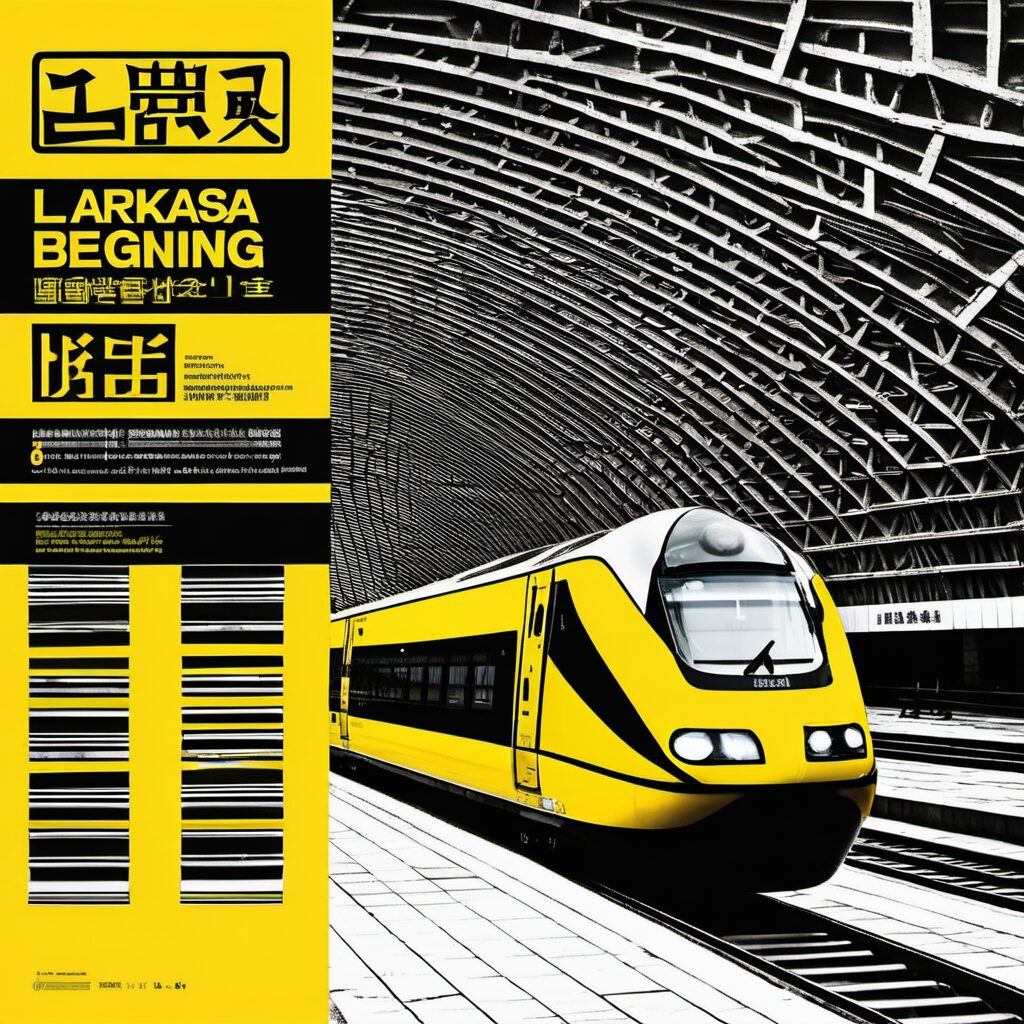
Lhasa to Beijing – The High-Speed Railway and Its Social Impact

“`html


Lhasa to Beijing – The High-Speed Railway and Its Social Impact


Lhasa to Beijing – The High-Speed Railway and Its Social Impact

Travel through time in the heart of Asia with this deep dive into China’s transformative railway project.

The completion of a high-speed rail network linking Lhasa, Tibet Autonomous Region to Beijing is not only an engineering marvel but also heralds significant changes in the social fabric and cultural dynamics within this region. As one ventures along this journey from southwest China towards its bustling capital city, a transformative era beckons that promises enhanced connectivity while posing several societal challenges.

The Historical Context

“China’s high-speed railway is more than just trains; it’s a testament to the nation’s determination, resilience and vision for modernization.” – Liu Zhenmin, former Vice Minister of Railways.

“China has always been at the forefront when it comes to embracing new technologies,” remarked Chinese President Xi Jinping during a visit in 2016. “The Lhasa-Beijing high-speed rail project is no exception.”

Railway Development Overview

  • “It took six years to construct the 1,650 km stretch from Lhasa to Golmud and another four for Beijing’s connection. It’s an extraordinary feat of engineering.” – Zhang Jiexuan, senior rail expert at China Railways.
  • “The railway not only shortens travel time but also strengthens the socio-economic ties between these regions.” – Li Wei, regional economist

Social Impacts and Challenges

“While the rail network promises prosperity, we must not forget its repercussin social impact.” – Tsering Drolma.


China Daily Health discusses the health implications of high speed rail travel
Global Issues explores the environmental consequences of high-speed railways

“As we embrace this new era, it’s imperative to consider how these developments affect everyday people.” – Lhasa native Tsering Drolma. Her concerns touch on a crucial aspect.

Economic Implications

  • “The economic boon can uplift local economies but also widens the urban-rural divide.” – Dr. Aaron Hoogendoorn, sociologist.
  • “Local commerce will soar as travel becomes accessible; yet disparity is not something to overlook.”

Cultural Transformation

“The introduction of high-speed rail will inevitably bring about cultural shifts.” – Tsering Drolma, Tibetan community representative.

Amidst concerns over the preservation and exchange of culture lies a hope for an enriched multicultural dialogue:


Journal of Social Change investigates the impact on local culture and heritage.

Looking Ahead: Preserving Identity

“The future holds a balance between progress and preservation.” – Tsering Drolma. The way forward requires thoughtful navigation.


China Daily Health offers a comprehensive guide on high speed rail systems

“Understanding the impacts of infrastructure is essential for harmonious development.” – Dr. Aaron Hoogendoorn.

  • Zhang, Jiexuan & Liu Zhenmin (2016). “The High-Speed Rail Development in China.” Chinese Railway Science and Technology.
  • “Railways and Cultural Change: The Case of Tibet” by Rita M. Fieler. Cambridge University Press, 1984.


“`

Comments

Leave a Reply