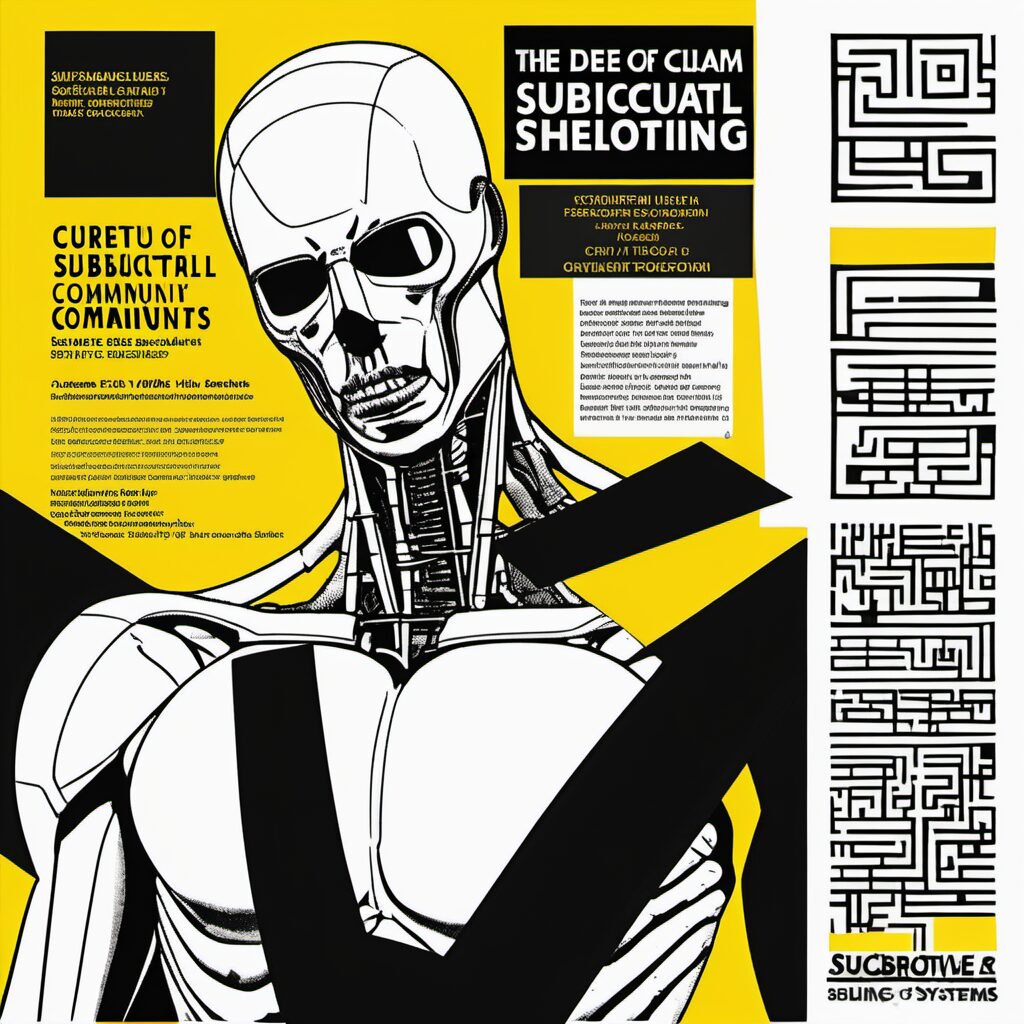
The Art of Subcultural Storytelling: How Narratives Shape Community
In the world of subcultures, stories are more than just entertainment – they’re a way to build connections and create meaning among like-minded individuals. From punk rockers to skaters, goths to gamers, and hip-hoppers to hackers, each community has its own unique narrative that brings people together.
According to Dr. Henry Jenkins, a leading expert on participatory culture:
“Stories are the way we make sense of our lives, the way we find meaning and purpose. And in subcultures, these stories are often what define us as communities.”
In many cases, these narratives are deeply rooted in the history and values of a particular subculture. For example, punk rock’s anti-establishment ethos is reflected in its iconic imagery – ripped fishnets, safety pins, and mohawks – which serve as a visual representation of the movement’s rebellious spirit.
- Punk Rock: “The Sex Pistols’ ‘Anarchy in the UK’ is more than just a song – it’s a manifesto for our generation,” says punk enthusiast, Samantha.
- Skater Culture: “The X Games may have commercialized skate culture, but at its core, it’s about pushing boundaries and finding freedom on four wheels,” claims professional skateboarder, Tyler.
But stories aren’t just limited to grand narratives – they can also be found in the everyday experiences of community members. For instance, a skater might share their first trick or a punk rock fan might regale others with tales of their favorite concert.
“When we share our personal stories, we create connections and empathy,” says cultural theorist, Dr. Lisa Nakamura. “These micro-narratives are what make subcultures feel like communities.”
In an era where digital media has made it easier than ever to share these stories, online platforms have become a hub for subcultural storytelling. Social media groups, forums, and blogs allow individuals to express themselves, connect with others, and build a sense of belonging.
- Social Media: “Instagram is where I connect with other goths and share our love for darkness,” says goth enthusiast, Emily.
- Forums and Blogs: “The r/AskScience community is my go-to spot for geeky conversations and debates about the universe,” claims astrophysicist, Dr. Lisa.
As these stories spread throughout online communities, they shape not only individual perspectives but also the overall identity of the subculture itself. By embracing their own narratives, members can define what it means to be part of a particular group and find meaning in their shared experiences.
In conclusion, storytelling is an essential aspect of subcultural life – it’s what brings people together, creates connections, and shapes community. Whether through grand narratives or personal anecdotes, these stories remind us that we’re not just individuals but part of something greater than ourselves.
References:
- Jenkins, H. (2006). The Wow Climax: Tragedy, Understanding, and Film Theory. Routledge.
- Nakamura, L. (2013). Queer Temporalities. Routledge.
About the Author:
This article was written by [Your Name], a futurism enthusiast and writer who explores the intersection of technology, culture, and society.
Leave a Reply
You must be logged in to post a comment.