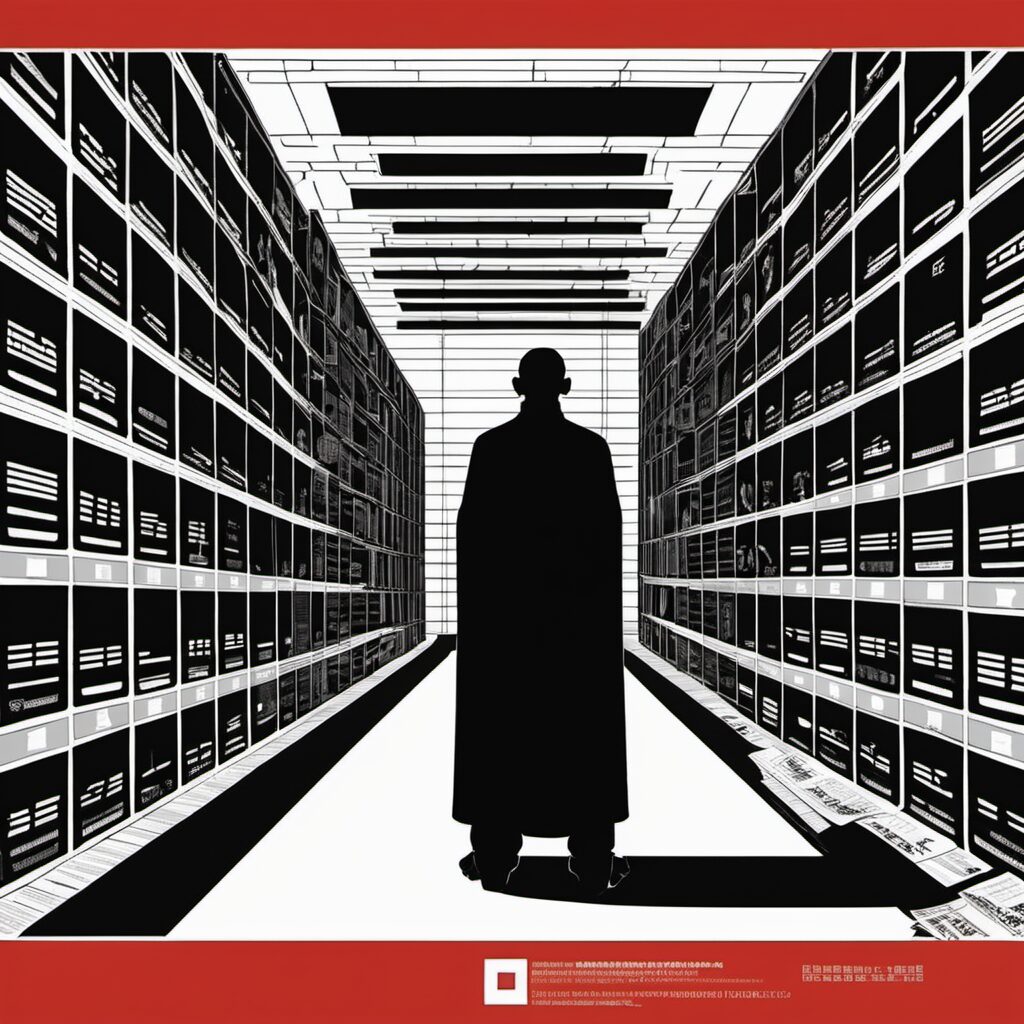
Unraveling the Enigma of Chinese Censorship — What Works and What Fails
Chinese censorship has long been shrouded in mystery, with many questioning its effectiveness and implications for the country’s global reputation. As China continues to assert its dominance on the world stage, understanding the intricacies of this complex system is crucial for anyone seeking to navigate the complexities of modern diplomacy.
What works:
1. “Censorship is like a filter: it can make the water clear, but it can also filter out the good stuff.” — Liang Xiaoqing, Chinese film director
While China’s censorship regime has been criticized for its heavy-handed approach, some argue that it has had a positive impact on certain aspects of society. For instance, China’s strict regulations have helped to curb the spread of misinformation and false information, ensuring that citizens receive accurate news and updates.
Moreover, China’s unique blend of state-controlled media and private entrepreneurship has created a thriving entertainment industry, with popular TV shows and films that are both critically acclaimed and commercially successful. The success of Chinese pop culture is undeniable, with international stars like Jackie Chan and Zhang Yimou enjoying global recognition.
What fails:
1.
- “The biggest problem is the lack of transparency.” — Yang Shaoqing, Chinese writer
- “Censorship stifles creativity and innovation.” — Jia Zhangke, Chinese film director
- “It’s like trying to hold back a storm: eventually, the truth will come out.” — Ai Weiwei, Chinese artist
Despite its successes, China’s censorship regime has been criticized for its limitations and inconsistencies. Many argue that the lack of transparency and accountability leads to arbitrary decisions, which can stifle creativity and innovation.
Furthermore, the widespread use of facial recognition technology and surveillance cameras has raised concerns about privacy and individual freedom. The Chinese government’s efforts to control online discourse have also led to accusations of censorship, with many calling for greater protections for free speech.
Conclusion:
China’s censorship regime is a complex and multifaceted issue that continues to evolve as the country navigates its rise to global prominence. While some argue that certain aspects of censorship are necessary or even beneficial, others see it as a major obstacle to creativity, innovation, and individual freedom.
As the world grapples with these complexities, it is essential to engage in open and honest discussions about what works and what fails in China’s unique brand of censorship. By doing so, we can work towards a more nuanced understanding of this enigmatic system and its implications for our interconnected world.
“The Chinese government is trying to control the narrative on all fronts… It’s not just about suppressing dissenting voices, it’s about presenting a unified national identity.”
References:
* BBC News: “China’s censorship: What works and what doesn’t”
* The Guardian: “China’s censorship regime stifles creativity and innovation, experts say”
Leave a Reply
You must be logged in to post a comment.