Category: Uncategorized

  • Zine Pilgrims – Spiritual Journeys Through Independent Publishing

    Zine Pilgrims – Spiritual Journeys Through Independent Publishing

    Zine Pilgrims: Spiritual Journeys Through Independent Publishing

    In a world dominated by digital media, the humble zine—a small-circulation, self-published work—has become a sanctuary for those seeking a more personal, spiritual connection with publishing. These pilgrims of print embark on journeys that transcend the ordinary, exploring the depths of creativity and self-expression.

    “Zines are a way to see a piece of your soul on paper,” says Amanda Chang, a seasoned zine creator from Portland. “They allow for a freedom of expression that mainstream publishing often lacks.”

    The Essence of Zines

    Zines have a long history, emerging as a powerful form of communication for subcultures and activists. They provide a voice to those who might otherwise remain unheard. The creators, often called zinesters, utilize these ephemeral booklets to delve into personal, political, and philosophical themes.

    “Creating a zine is akin to crafting a spiritual artifact,” remarks John Hemmings, a zine librarian at the Los Angeles Zine Library. “Each page is infused with the creator’s passion and individuality.”

    A Personal Pilgrimage

    For many, making zines is a voyage of self-discovery. The process involves introspection and authenticity, offering zinesters a platform to chart their inner landscapes. The tactile nature of zine-making—cutting, pasting, and assembling—becomes a meditative practice.

    • Community Building: Zines foster a sense of community. Conventions and zine fests are burgeoning forums where creators and enthusiasts congregate to exchange ideas and inspire one another.
    • Accessibility: With no gatekeepers, zine-making is accessible to anyone, ensuring diverse perspectives are shared. As noted by Wikipedia’s entry on Zines, their DIY nature encourages inclusivity and innovation.
    • Creative Freedom: There are no rules in zine creation, allowing total creative freedom. This liberating experience can be profoundly spiritual, as it emphasizes self-expression over commercial appeal.

    The Future of Zine Pilgrimages

    While digital platforms continue to proliferate, there remains a dedicated community that values the tangible, personal nature of zines. As they look to the future, these zine pilgrims carry forward a tradition that champions authenticity and individualism.

    “It’s about expressing your truth without filters,” says Lucy Torres, a zine workshop instructor. “In every zine, there’s a piece of the creator’s journey.” This spiritual aspect of zine-making ensures its place both as an art form and a means of personal exploration.

    As the world speeds onto a digital path, the tactile, soulful journey of zine pilgrimage serves as a poignant reminder of the enduring human desire for connection and self-expression.

  • Underground Almanac of Rebellion – Preserving Subcultural Knowledge

    Underground Almanac of Rebellion – Preserving Subcultural Knowledge

    In a world that often celebrates mainstream culture, the vibrant and diverse tapestry of subcultures offers a refreshing and dynamic counter-narrative. These groups thrive on the fringe, their essence encapsulated in an ever-evolving patchwork of ideas, art, and tradition. However, as subcultures emerge and evolve, one question remains: how can these unique cultural identities be preserved amidst the constant churn of homogenization? Enter the Underground Almanac of Rebellion, a conceptual repository dedicated to documenting and sustaining the essence of subcultural knowledge.

    Understanding Subcultures

    Subcultures, by definition, live in contrast to the prevailing norms of mainstream society. They are sanctuaries for those who dare to be different, spaces where creativity reigns supreme, and rigid conventions crumble under the weight of innovation. As cultural theorist Sarah Thornton noted in her seminal work, “Club Cultures: Music, Media, and Subcultural Capital”, “Subcultures are expressive fora where individuals and communities form alternative identities and self-consciously set themselves apart from the mainstream.”

    From the punk rock rebellion of the 1970s to the gothic mystique of the 1980s, and the cyberpunk aesthetic of the late 20th century, each movement has left an indelible mark on the cultural landscape. Yet, the conventional history often marginalizes these voices, threatening to erase the nuances that define them.

    The Rebellion Against Erasure

    The creation of an almanac for subcultural knowledge arises from the need to resist erasure. Historically, countercultural movements have faced challenges in maintaining records of their history and contributions. As members move on, memories fade, and vital components of their collective stories risk obliteration.

    This almanac seeks to defy the odds by archiving these movements through personal narratives, manifestos, art, and music. It’s an endeavor that champions original voices, offering a platform to transmit the authenticity of their experiences to future generations.

    Components of the Underground Almanac

    To achieve its ambitious goals, the Underground Almanac employs a multifaceted approach:

    • Oral Histories: The oral tradition is a powerful tool for preserving culture. By recording interviews and conversations with key figures from various subcultures, the almanac captures the essence of these movements in their own words.
    • Digital Archives: In a digital age, infusing technology with cultural preservation is essential. An interactive online repository allows users to explore multimedia content, from photos and videos to music and art.
    • Cultural Artifacts: These include zines, posters, concert tickets, and memorabilia that paint a vivid picture of life within subcultures. These artifacts serve as tangible connections to a past that might otherwise be forgotten.
    • Collaborative Workshops: By fostering spaces for workshops and discussions, the almanac nurtures emerging voices, encouraging them to document their narratives and contribute to the growing tapestry.

    Challenges and Opportunities

    While the endeavor of creating an Underground Almanac is noble, it is not without its challenges. The dynamic nature of subcultures means that they constantly adapt, sometimes embracing new identities, at other times disappearing in favor of burgeoning movements. The almanac must therefore balance preserving history with allowing the organic growth of these entities.

    “To be subcultural is to live with the knowledge that what exists today may be gone tomorrow,” says Carl Freedman, a researcher at the intersection of cultural studies and digital humanities. “By documenting these movements, we preserve their essence, empowering them to influence and inspire innovative expressions.”

    The opportunity, however, is profound. Supporting the preservation of subcultural knowledge not only enriches our understanding of human expression but also safeguards diverse ideologies and practices for future reflection. Initiatives like the Underground Almanac remind society that mainstream narratives are not the sole architects of progress.

    Looking Forward

    As the project gathers momentum, those involved in the Underground Almanac hope it will serve as a model for similar initiatives globally. By systematically chronicling subcultures, they aim to establish a new norm, where diversity in expression is honored and integrated into our larger understanding of cultural history.

    The Underground Almanac of Rebellion is more than a collection—it is a movement toward embracing the full spectrum of human creativity, validating the voices of those who dare to deviate. In every page, artifact, and sound, it affirms the right to remember and to resist the currents of conformity.

  • DIY Frequency Ethics – Building Resistance Through Sound

    DIY Frequency Ethics – Building Resistance Through Sound

    The world we live in today is saturated with sound, from the cacophony of city streets to the subtle hum of electronic devices. Yet, among these sounds lies a universe of frequencies that can be harnessed for resilience, resistance, and healing. DIY Frequency Ethics explores the potential of sound in activism and self-care, diving into how individuals can use sound frequencies to fight oppression and foster a sense of community.

    The Power of Sound

    Sound has long been recognized for its ability to influence our physical and emotional states. As the late John Cage famously put it,

    “Everything we do is music.”

    This philosophy extends beyond traditional music and taps into the power of ambient frequencies that exist all around us.

    In a world where oppression often manifests through noise—whether it’s the blaring sound of propaganda or the sonic branding of consumer culture—there is an urgent need to reclaim these frequencies for individual and collective empowerment.

    Understanding Frequency Ethics

    Frequency ethics is the concept of consciously choosing which frequencies we allow into our environments and how we use them. It requires a deep awareness of the impact of sound on our bodies and psyche. This movement encourages individuals to curate their auditory environment as a form of self-defense and resistance.

    • Self-defense: Utilizing calming frequencies can help reduce stress and anxiety brought on by the constant noise pollution many face in urban areas.
    • Resistance: Sound can act as a powerful tool for protest, rallying individuals through shared auditory experiences.

    DIY Approaches to Sound Resistance

    Creating your own soundscapes offers a highly personal form of activism that can promote wellbeing and challenge dominant structures. Here are some DIY techniques to explore:

    1. Sound Baths and Meditation

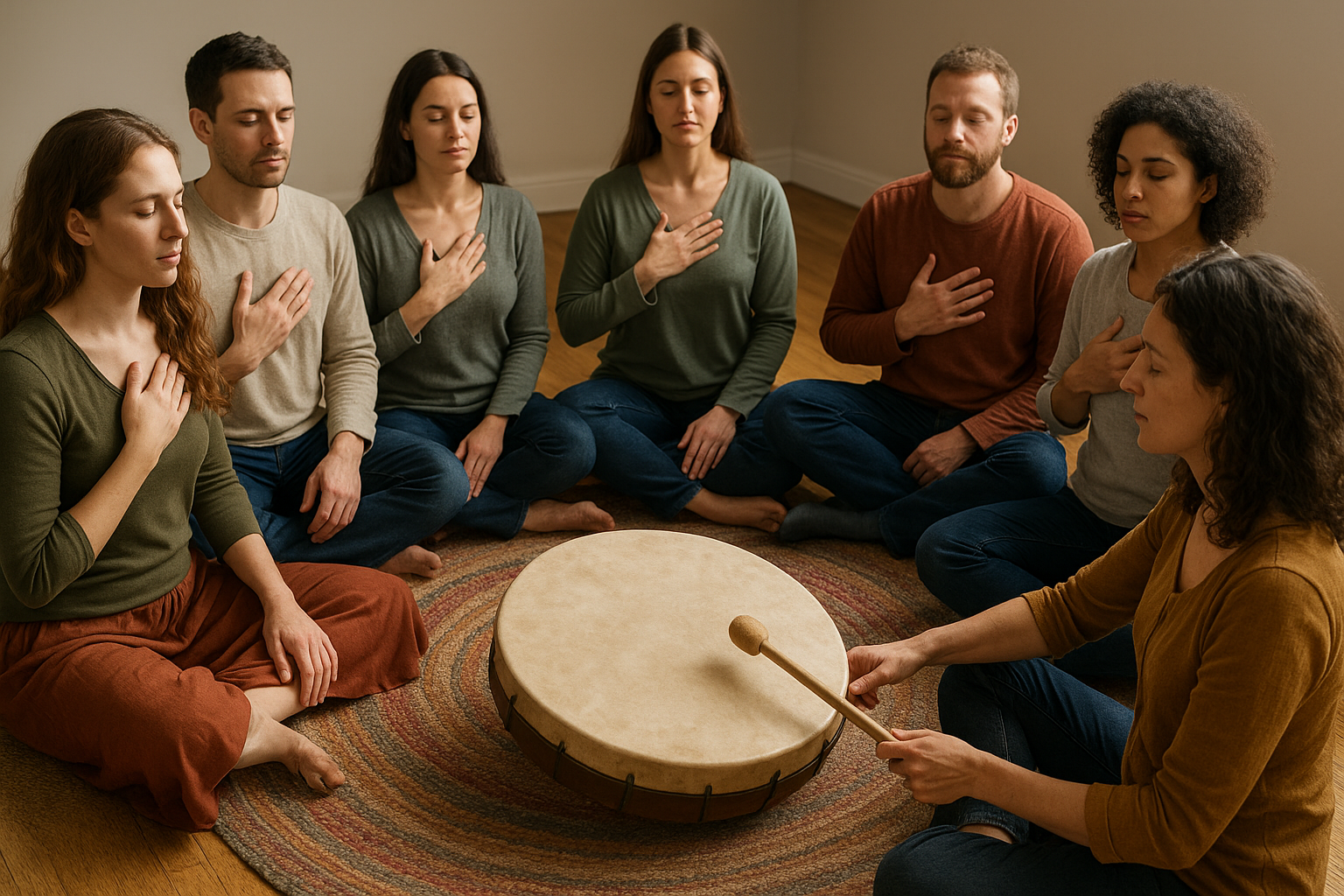
    Sound baths, typically involving gongs or singing bowls, immerse participants in soothing frequencies shown to alleviate stress. By conducting personal sound baths, individuals can foster internal peace and recharge from the frenzy of daily life.

    2. Producing Protest Frequencies

    Music has historically played a crucial role in movements for social change. Today, artists around the world, from various independent labels, create tracks that empower and educate. Generating personalized playlists with a revolutionary spirit can help sustain optimism and solidarity.

    3. Creating Personalized Sonic Environments

    • Noise-cancelling Technology: Embrace headphones that block out detrimental, oppressive noise, allowing you to curate what you listen to.
    • Field Recording: Capture soothing sounds from nature or your environment to create a bespoke library of sounds that evoke positive emotions.

    Community Resistance Through Collective Frequencies

    While personal auditory environments are crucial, collective experiences can amplify the impact of frequency ethics.

    1. Community Sound Installations

    Cities worldwide have embraced sound art installations to create shared, transformative spaces. These installations can act as havens in urban settings, offering an oasis from the persistent sound pollution.

    2. Group Sound Sessions

    Organize neighborhood sound healing or electronic music sessions where participants share frequencies they find empowering. This not only strengthens community bonds but also nurtures a shared commitment to sound-based resistance.

    The Ethical Implications of Sound

    In practicing frequency ethics, it is crucial to be mindful of the origins and uses of various sounds:

    • Cultural Respect: Acknowledge and respect the cultural roots of certain healing sounds, such as Native American drumming or Tibetan singing bowls.
    • Intentional Use: Determine the intention behind each frequency or sound. Is it genuinely beneficial, or can it inadvertently cause harm?

    As we navigate through a sound-filled world, embracing sound as a tool for resistance and healing calls for a balance of innovation and respect.

    Conclusion

    The potency of sound and frequency is undeniable, offering significant potential for personal and societal transformation. By engaging with frequency ethics and DIY sound techniques, individuals and communities can cultivate sonic environments that resist oppression and promote healing. As John Cage said, we can choose to hear the world as a composition waiting to be curated, a resistance built through unparalleled soundscapes that resonate with strength and hope.

  • Sonic Liberation Doctrine – Hardcore as Political Practice

    Sonic Liberation Doctrine – Hardcore as Political Practice

    Sonic Liberation Doctrine: Hardcore as Political Practice

    In the annals of music history, few genres have managed to capture the raw essence of political dissent as effectively as hardcore punk. Emerging from the ashes of the more mainstream punk rock explosion of the 1970s, hardcore became a vehicle for political expression, a doctrine of sonic liberation. This genre, with its relentless energy and unapologetic intensity, presents itself not just as a style of music, but as a form of activism and a call to arms.

    The Origins of Hardcore Punk

    Hardcore punk arose in the late 1970s and early 1980s, with bands such as Black Flag, Minor Threat, and Bad Brains leading the charge. The genre differentiated itself from its predecessors by amplifying the speed, aggression, and DIY ethos. Hardcore was born from frustration with commercialism in the music industry and in society. It was a counterculture movement that thrived in basements, loud and unapologetic.

    “Punk was never about one particular clean-cut imagery… it was about the bloody state of things and the penchant for doing something, anything, to exorcise that pent-up irritation.” — Marcus Smith

    A Medium for Political Expression

    Hardcore punk’s political dimension is most clearly articulated through its lyrics. The bands articulated grievances against societal structures, questioning authority and advocating for personal empowerment. This was music for those disillusioned with the status quo, resonating with marginalized communities. Lyrics often touched on issues such as racism, capitalism, police brutality, and war.

    • Dead Kennedys and their anti-establishment anthem “Holiday in Cambodia” confronted Western complacency.
    • Minor Threat popularized the straight-edge movement, advocating for a lifestyle free from alcohol and drugs.
    • Black Flag’s “Rise Above” was a rallying cry against oppression.

    The very structure of hardcore shows was political. They were often non-hierarchical, allowing for direct interaction between the band and the audience, erasing the barrier between performer and spectator. Crowds would share the mic, a symbol of collective participation in the music’s message.

    The DIY Ethos

    One of hardcore punk’s defining characteristics is its DIY (Do It Yourself) ethic. Bands often recorded and released their own music, booked their own tours, and created their own networks independent of large record labels. This independence was a political stance in itself, a rejection of corporate influence over art. As noted in the New York Times, “DIY was not just an economic necessity; it was a deliberate practice of self-empowerment and community building.”

    This approach has been influential beyond music, inspiring other movements and artistic expressions within the activist community. DIY culture is found in zines, alternative media, and online platforms amplifying marginalized voices.

    Hardcore’s Legacy and Political Relevance Today

    Even though hardcore punk reached its peak in the 1980s, its influence is persistent. The core tenets of hardcore — skepticism of authority, community focus, and direct action — remain relevant in contemporary activism. Artists continue to draw from its principles, fuelled by the era’s urgency. The activism seen in movements like Black Lives Matter and Fridays for Future echoes the visceral, grassroots approaches honed by hardcore pioneers.

    “Music can change the world because it can change people.” — Bono

    Modern bands such as Code Orange and Turnstile continue to carry the torch, blending hardcore elements with new sounds while staying true to its ardent spirit. These groups utilize hardcore’s intensity to address social issues, connecting with younger audiences through elements born from a genre dedicated to rebellion and change.

    Conclusion

    The enduring power of hardcore is a testament to its capacity as a political practice. Established as more than mere music, it is a doctrine of defiance and a blueprint for cultural protest. Its ethos, distilled through distortion and drumbeats, resonates across generations, urging the continuous fight for justice and equality. The sonic liberation doctrine reverberates, uncompromising and vibrant, reminding us that change is not just possible; it is necessary.

  • Anti-Surveillance Manuals – Tactics for Digital Freedom

    Anti-Surveillance Manuals – Tactics for Digital Freedom

    In an increasingly digital world, privacy and freedom are at risk. As surveillance becomes more pervasive, individuals and organizations are seeking ways to protect their digital rights. Anti-surveillance manuals have emerged as crucial resources in the fight for digital freedom, offering strategies and tools to safeguard personal information and maintain autonomy online.

    The Rise of Surveillance

    Surveillance in the digital age is both widespread and nuanced. Governments and corporations have developed sophisticated methods to monitor online activity. This has raised significant ethical and legal questions regarding the limits of such surveillance.

    “The very technologies that promise new avenues for freedom and democracy—social networking, smartphones, and cloud computing—also magnify the capacity to control and manipulate populations.” — Electronic Frontier Foundation

    With the advent of technologies like facial recognition, data mining, and artificial intelligence, the capability to surveil is more effective than ever before. The repercussions for privacy and freedom can be profound and invasive.

    The Importance of Anti-Surveillance Manuals

    Anti-surveillance manuals serve a variety of critical functions:

    • Education: They inform individuals about the extent of surveillance and the means by which they might be monitored.
    • Protection: Manuals provide practical measures to protect against unwanted surveillance.
    • Empowerment: By understanding surveillance tactics, individuals can better assert their rights and maintain control over their personal data.

    Core Strategies in Anti-Surveillance Manuals

    While specific tactics vary, some core strategies are commonly advocated across anti-surveillance manuals:

    1. Encrypted Communication

    Encryption is fundamental to protecting communications from prying eyes. Tools like Signal and WhatsApp offer end-to-end encryption, ensuring that messages can only be read by the intended recipient.

    2. Anonymity and Identity Protection

    Maintaining anonymity online is a powerful way to preserve privacy. Browsing tools such as the Tor network offer anonymity by routing internet traffic through a global network of servers, masking users’ locations and usage from anyone conducting network surveillance or traffic analysis.

    3. Digital Hygiene

    Regularly updating software, employing strong, unique passwords, and being cautious with personal information online are basic yet often overlooked aspects of digital self-care. These practices help safeguard against unauthorized access and data breaches.

    4. Accessing Information

    Anti-surveillance manuals often highlight the importance of being informed. Understanding current laws and regulations regarding surveillance can help individuals know their rights and obligations. Organizations like the Privacy International provide resources and advocacy for this purpose.

    Tools and Technologies Featured

    Many anti-surveillance manuals delve into specific technologies that can assist in avoiding digital surveillance:

    • Virtual Private Networks (VPNs): VPNs are recommended for encrypting internet traffic and masking IP addresses, making online activity more difficult to trace.
    • Secure Drop: An open-source whistleblower submission system, Secure Drop is used by media organizations to receive documents from anonymous sources.
    • Data Obfuscation Tools: Tools like Chaos Computer Club’s obfuscation software help anonymize user data.

    The Global Landscape of Digital Rights

    The challenges to digital freedom are not confined to any single region. Globally, countries implement varying levels of surveillance, often justified by national security. However, concerns arise regarding the implications for civil liberties.

    “Governments around the world are using mass surveillance as a means of suppressing dissent and controlling populations.” — Human Rights Watch

    As surveillance practices evolve, so too must the methods for counteracting them. Anti-surveillance manuals are vital in enabling a proactive stance against intrusive monitoring practices.

    The Future of Anti-Surveillance Efforts

    Looking ahead, the landscape of digital surveillance and anti-surveillance will undoubtedly change. Emerging technologies, legislative shifts, and public awareness will all play roles in shaping this future.

    Increased collaboration between privacy advocates, technologists, and legal experts is essential. By working together, they can cultivate innovative solutions and advocate for stronger privacy protections worldwide.

    Conclusion

    Anti-surveillance manuals are indispensable tools in the modern digital era. They empower individuals with the knowledge and resources needed to defend their privacy and freedoms against the encroachments of surveillance technologies. As the battle for digital rights continues, these guides will remain fundamental to the cause of maintaining autonomy in an interconnected world.

    For those committed to digital freedom, staying informed, vigilant, and proactive is key. Whether through utilizing robust encryption, practicing good digital hygiene, or advocating for enhanced privacy protections, every individual action contributes to a larger movement striving for a more secure digital world.

  • Eco-Punk Survival Guides – Radical Environmental Practices

    Eco-Punk Survival Guides – Radical Environmental Practices

    Eco-Punk Survival Guides – Radical Environmental Practices

    Eco-Punk Survival Guides – Radical Environmental Practices

    In a world teetering on the brink of environmental calamity, a new subculture, known as Eco-Punk, is emerging with a mission to redirect humanity back to sustainable living practices. Combining the rebellious spirit of punk with deeply rooted ecological principles, Eco-Punks advocate for radical solutions to counteract the effects of climate change. This article explores the survival guides these green rebels are crafting and the practices they promote.

    Understanding Eco-Punk Culture

    Eco-Punk is a movement characterized by a DIY attitude, creativity, and a commitment to environmental activism. Originating from the broader punk subculture, Eco-Punks are reimagining what it means to live sustainably in modern society. According to The Guardian, Eco-Punk provides a framework for “living in a way that is self-sufficient, promotes biodiversity, and challenges existing systems.”

    Key Principles of the Eco-Punk Survival Guides

    • Self-Sufficiency: Emphasizing the importance of growing your own food and generating your own energy, Eco-Punk survival guides often include practical advice on permaculture gardening, building solar panels, and rainwater harvesting.
    • Resourceful Living: Encourages reducing waste and reusing materials. Eco-Punks are known for their creativity in repurposing discarded items into new, useful objects.
    • Community Building: Eco-Punks place emphasis on local community efforts, fostering collaborative projects to enhance neighborhood resilience against ecological threats.
    • Activism: Encourage active involvement in environmental activism, whether through protests, educational outreach, or direct action to protect natural habitats.

    Incorporating Eco-Punk Practices into Daily Life

    The appeal of Eco-Punk lies in its accessibility and adaptability. Here are some ways anyone can start incorporating Eco-Punk practices into their daily life:

    Grow Your Own Food

    The first step in Eco-Punk’s survival guide is to cultivate a more direct relationship with the food you eat by growing your own. Whether on a large plot of land or a small apartment balcony, the practice of “growing your own vegetables and herbs” can significantly cut down on carbon footprints associated with food transportation.

    DIY Energy Solutions

    Producing your own energy is a radical yet practical step. Guides recommend learning how to install solar panels, build homemade wind turbines, and explore biodiesel and biogas solutions. According to a study published by Nature Sustainability, localized energy production methods greatly enhance sustainability.

    Water Conservation Techniques

    Capture and use rainwater to lessen dependence on municipal sources and prevent runoff, which can contain pollutants and erode landscapes. Building a simple rainwater catchment system is both a practical and impactful Eco-Punk solution.

    Challenges and Criticisms

    While Eco-Punk provides a progressive pathway, it is not without its challenges. Critics argue that some of these practices can be labor-intensive and potentially inaccessible for urban residents or low-income communities. Furthermore, the scalability of these practices raises questions regarding their effectiveness on a global scale.

    “Eco-punk is about tearing down the big and complicated in favor of the simple and sustainable. But it’s not a one-size-fits-all solution, and not everyone is ready to make such a shift,” notes an article in WIRED.

    Conclusion

    Despite its limitations, the Eco-Punk movement provides an invigorating perspective on environmentalism by transforming fear of ecological collapse into a proactive lifestyle. By engaging with these survival guides, individuals can explore personal empowerment through environmental responsibility.

    As we stand at the crossroads of ecological preservation, the Eco-Punk culture reminds us that radical actions today can pave the way for a sustainable future. Embrace the spirit of rebellion for the sake of the planet, and perhaps we can inspire broader change one small community at a time.

  • Radical Noise Pilgrimage – Spiritual Journeys Through Sound

    Radical Noise Pilgrimage – Spiritual Journeys Through Sound

    In a world saturated with sounds, from the hum of traffic to chirping notifications, the concept of noise pilgrimage offers a radical re-interpretation of our auditory landscape. This practice encourages embracing noise not as a nuisance, but as a path to spiritual enlightenment.

    “Within each noise, there is a living entity waiting to connect with the listener,” says Luigi Russolo, an early advocate for the incorporation of noise into art, highlighting the transformative potential of sound.

    The Essence of Noise Pilgrimage

    A noise pilgrimage involves immersing oneself in various soundscapes, allowing the cacophony to guide inner reflection and meditation. Originating from the belief that all sounds possess unique vibrational energies, this practice encourages participants to find meaning and insight amidst the din.

    • Intentional Listening: Engage in sessions where noise is deliberately listened to with an open mind, transforming atypical environments into a source of tranquility.
    • Sound Mapping: Charting the symphony of urban environments, acknowledging each sound’s role in the larger tapestry of life.
    • Meditation and Reflection: Utilizing noise as a backdrop for meditation, fostering a deeper connection with both self and surroundings.

    Sound as a Spiritual Tool

    Noise, often disregarded as mere clutter, becomes a canvas for spiritual exploration. According to Hazrat Inayat Khan, a revered Sufi musician and teacher, “Some people look for a beautiful place; others make a place beautiful.” The same applies to noise; it can be reinterpretively used as a pathway to engage more profoundly with the world.

    By embracing a radical noise pilgrimage, individuals can transform their perception of soundscapes. Historically, many cultures have used sound in spiritual contexts—whether through chanting, nature’s symphony, or even industrial noises as the mechanical pulse of modern life.

    The Journey Forward

    Embarking on a noise pilgrimage doesn’t require a destination—it’s about the journey within sound itself. Seekers often report a deeper sense of connection and clarity after learning to meditate amidst chaos. This practice also aligns with principles of sound mindfulness, offering practical techniques to harness noise in everyday life.

    Whether walking through a bustling city or sitting quietly in a forest, the radical noise pilgrimage invites individuals to rediscover the transformative power of sound. By tuning into its vibrations, you create a harmonious relationship with the everyday sounds that shape your existence, turning chaotic noise into a profound journey of spiritual exploration.

  • Zine Strategies for Change – Guerrilla Publishing Practices

    Zine Strategies for Change – Guerrilla Publishing Practices

    Zine Strategies for Change – Guerrilla Publishing Practices

    body { font-family: Arial, sans-serif; line-height: 1.6; margin: 2rem; }
    h2 { color: #333; }
    blockquote { font-style: italic; color: #555; margin-left: 2rem; }
    a { color: #0066cc; }

    Zine Strategies for Change – Guerrilla Publishing Practices

    The humble zine has played a pivotal role in various social, cultural, and political movements, serving as an alternative publishing method that thrives on grassroots involvement and DIY ethics. This article explores the dynamic strategies employed in zine creation and distribution, genuinely encapsulating the essence of guerrilla publishing.

    Understanding Zines and Their Impact

    Zines, shorthand for magazines or fanzines, are non-commercial, often homemade publications that circulate ideas, art, and narratives typically ignored by mainstream media. They have been a powerful tool for change, providing a platform for marginalized voices and fostering community amongst readers and creators alike.

    According to Stephen Duncombe in “Notes from Underground: Zines and the Politics of Alternative Culture”, zines allow individuals to engage in “a cultural conversation,” one where mainstream channels of communication might be inaccessible. Duncombe asserts that zines are “raw and direct,” offering a sphere of genuine exchange devoid of commercial interests.

    Guerrilla Tactics in Zine Publishing

    Guerrilla publishing is defined by its unconventional and often clandestine approach to creation and distribution. Here are some common practices:

    • DIY Production: True to the guerrilla spirit, the production of zines often involves handcrafting and personal touches, from collaging pages to hand-stapling booklets. This technique not only reduces costs but also adds a distinct personal flair.
    • Small Print Runs: Keeping production small ensures costs are manageable and maintains an aura of exclusivity and urgency.
    • Word-of-Mouth Distribution: Zines often rely on networks of like-minded individuals to spread their message, bypassing traditional retail settings.
    • Mail Order and Trading: The mail order system, often accompanied by trading between zine makers, increases circulation and community bonds.

    Zines as Political Instruments

    Zines have historically been utilized as a powerful tool for political activism, galvanizing movements and amplifying voices of dissent. During the punk movement of the 1970s, zines such as “Sniffin’ Glue” offered a raw, unfiltered lens into a subculture that rejected commercialism and authority. Often written, edited, and assembled by a single person or small group, these publications articulated the socio-political frustrations of an entire subculture.

    The Resilience and Limitations of Guerrilla Publishing

    While the guerrilla ethos embraces subversion and innovation, zine makers face significant challenges:

    • Resources: Limited capital for production and distribution can hinder wide dissemination.
    • Reach: While their niche appeal can be an advantage, it also means potential audiences can be small, limiting impact.

    Despite these challenges, the intimacy and impact of zines cannot be overstated. They foster a sense of belonging among creators and readers, encouraging engagement in shared interests and ideologies. Alex Wrekk, author of “Stolen Sharpie Revolution”, describes zines as “a way to take power back from hands that usually hold it and put it back in the hands of those who have something important to say.”

    Modern Guerrilla Publishing Tactics

    In the digital age, zine culture has adapted, expanding its reach with technology without sacrificing its grassroots heart:

    • Online Portals: Websites like Issuu and Gumroad allow creators to offer digital versions of their work, circumventing physical barriers.
    • Social Media: Platforms such as Instagram and Tumblr serve as both distribution and promotional channels, connecting zine creators with a global audience.
    • Virtual Zine Fairs: Events like Virtual Zine Fest have sprouted up, providing a digital space for creators to share and trade zines.

    Support and Sustain

    The longevity and success of zines hinge on community support. Encouraging readers to engage with zines not just as consumers but as contributors can sustain this vibrant ecosystem. Libraries, universities, and local bookstores often host zine collections and fairs, nurturing a physical space for these publications.

    “Zines are the literary equivalent of a handshake.” – Robbie D. Wiggins, Zine Enthusiast

    Conclusion

    Zines exemplify the power of the written word to effect change, reflecting the diverse tapestry of human thought and experience. Their rebellion against mainstream publishing norms stands as both their biggest challenge and their greatest strength. As new generations of creators embrace the zine format, the revolutionary potential of this medium continues to evolve, encapsulating the ever-changing landscape of creative expression.

    For those who dare to pick up a pen, this journey into guerrilla publishing offers not just a method of making, but a means of magnifying the personal and the political in a world yearning for authentic voices.

    For more insights into zine culture, check out this comprehensive list of resources at POC Zine Project.

  • Underground Knowledge Networks – Mapping Hidden Communities

    Underground Knowledge Networks – Mapping Hidden Communities

    In our hyper-connected world, information flows freely across borders and barriers, yet beneath the surface, another realm exists: underground knowledge networks. These networks, formed intentionally or as a natural byproduct of restricted environments, enable the exchange of ideas, wisdom, and information in ways that often elude mainstream systems.

    The Nature of Underground Knowledge Networks

    Underground knowledge networks thrive in environments where information is scarce, restricted, or censored. They can be found across various domains, from scientific communities working under oppressive regimes, to digital forums in the darker alleys of the internet where specialists share niche or controversial expertise. Such networks are often driven by the need for freedom of expression, intellectual curiosity, or survival.

    Characteristics of Hidden Knowledge Communities

    • Secrecy and Anonymity: Participants often employ pseudonyms or encrypted communications to protect their identities and maintain the confidentiality of the discussions.
    • Shared Purpose: A clear, often unifying purpose that connects members and drives the exchange of knowledge.
    • High Trust Levels: Trust is paramount, as members rely on one another for critical and sometimes sensitive information.

    Historical Context and Evolution

    Underground knowledge networks are not a new phenomenon. Throughout history, such networks have been instrumental in the exchange of revolutionary ideas and in resistance movements. For example, during World War II, underground resistance groups shared intelligence and planned operations through covert networks. In a more digital context, the advent of the internet has enabled the proliferation of such networks on a global scale.

    “The secret of a successful resistance is organization, organization, and more organization.” – Resistance leader from World War II

    As the digital landscape evolves, so does the complexity and reach of these networks. They are no longer constrained by physical borders and can rapidly adapt to and adopt new technologies for more secure and anonymized communication.

    Mapping the Unseen

    Mapping these hidden communities poses significant challenges. These networks often do not leave behind the digital footprints typically used to gather data about online activity. Researchers employ a variety of strategies to study them without compromising their integrity or the safety of those involved.

    • Ethnographic Studies: Researchers may become participants in these communities, employing ethical means to understand their structures and operations.
    • Social Network Analysis: This involves analyzing communication patterns, even using metadata, to infer the structure and dynamics of a network.
    • Interdisciplinary Approaches: Combining insights from sociology, computer science, and communications to build comprehensive models of these networks.

    Despite the challenges, the study of these networks provides valuable insights into how information ecosystems operate outside traditional systems, often revealing innovative methods of resistance and resilience.

    Contemporary Examples and Case Studies

    There are numerous modern examples of underground knowledge networks. In countries with restrictive internet policies, such as China or North Korea, underground networks serve as critical lifelines for uncensored information. Digital platforms with enhanced anonymity, such as Tor, facilitate forums where users share everything from political dissent to scientific knowledge banned by local regimes.

    Additionally, subcultures like the cypherpunk movement work to develop and share cryptographic tools to protect privacy and ensure the freedom of information flow. These communities are often on the cutting edge of technology and political thought, influencing the broader discourse on privacy and state power.

    “Privacy is necessary for an open society in the electronic age. We cannot expect governments, corporations, or other large, faceless organizations to grant us privacy out of their beneficence.” – Eric Hughes, co-founder of Cypherpunks

    The Ethical Dimension

    Engaging with underground knowledge networks carries an ethical dimension. Those who study or participate in such communities must navigate issues of trust, privacy, and the potential impact of their engagement. Scholars and participants alike must grapple with the consequences of exposing these networks and the invaluable information they harbor, striking a delicate balance between transparency and protection.

    Conclusion

    Underground knowledge networks represent a vibrant, albeit hidden, layer of our global information ecosystem. They challenge us to reconsider how knowledge is shared, protected, and understood in a world where the lines between freedom and control are increasingly blurred. By mapping and understanding these networks, we gain insights into the resilience and innovation that thrive under duress, illuminating the paths less traveled.

  • DIY Spiritual Ethics – Hardcore Paths to Meaning

    DIY Spiritual Ethics – Hardcore Paths to Meaning

    In the modern age, a burgeoning interest in DIY spiritual ethics has taken hold. Many individuals seek to navigate life’s moral complexities outside the boundaries of traditional religious frameworks. Instead, they are carving their own paths in what can be seen as a quest for a deeper, more personal understanding of meaning.

    This trend reflects a shift towards personalized spirituality, where meaning is considered a deeply individual pursuit. Rather than relying on established doctrines, many people are turning inwards, asking profound questions and finding answers that resonate with their personal values and experiences. This hardcore path involves rigorous self-examination and a commitment to living a life that is both authentic and in alignment with one’s core principles.

    Exploring Hardcore Paths

    The Role of Community

    While these paths are deeply personal, the role of community remains significant. Communities, both physical and digital, offer support, shared knowledge, and encouragement. They represent a collective effort to explore spirituality outside traditional paradigms, much like the early followers of various spiritual movements who sought meaning beyond institutional religion.

    “The spiritual life does not remove us from the world but leads us deeper into it.” – Henri Nouwen

    Challenges and Considerations

    The journey of DIY spiritual ethics is not without challenges. The lack of structured guidance can sometimes lead to confusion or feelings of isolation. Moreover, the path demands resilience as it involves confronting uncomfortable truths and fostering continuous personal growth. Ultimately, the hardcore paths to meaning require courage and an unwavering commitment to living one’s truth.

    For those willing to embark on this journey, the rewards are profound—a sense of purpose, clarity, and a life that reflects one’s deepest beliefs and values.

  • Sonic Insurrection Manuals – Avant-Garde Protest Tactics

    Sonic Insurrection Manuals – Avant-Garde Protest Tactics

    Sonic Insurrection Manuals: Avant-Garde Protest Tactics

    In an era where protest is as much about sound as it is about sight, the concept of the “sonic insurrection manual” is rapidly gaining traction. Rooted in avant-garde artistry and political dissent, these manuals provide innovative blueprints for crafting auditory experiences that challenge authority and disrupt the status quo.

    The Rising Power of Sound

    Sound has always played a crucial role in protests, from the resounding hymns of the Civil Rights Movement to the chants echoing through the streets today. However, the latest wave of dissent sees sound not just as an accompaniment to protest but as the protest itself. The use of sound in this context can be seen as both a personal and public reclamation of space.

    “Sound can penetrate walls, cross boundaries, and overcome obstacles that the physical body cannot,” says Dr. Emma Osborne, a sound studies scholar. “It resonates with an innate power that words alone might lack.”

    The Anatomy of a Sonic Insurrection Manual

    • Objective: Every sonic manual starts with a clear objective, whether it’s to gather attention, disrupt a public event, or communicate a message.
    • Tools: From megaphones to whistles, drums to digital sound apps, these manuals enumerate the required tools to orchestrate a successful sonic protest.
    • Techniques: Strategic methods such as soundscapes, guerrilla gigs, or flash mobs are detailed to direct the power of sound effectively.
    • Legal Considerations: Since noise ordinances and legal implications vary widely, these manuals often provide advice on staying within legal limits while pushing boundaries.

    Sonic warfare is a concept increasingly explored by protesters who recognize that sound can be used to challenge entrenched power structures. Traditional marches are often accompanied by the chaotic symphony of drums and chants, but the deliberate creation of soundscapes adds a new layer of complexity.

    Historical Inspirations

    The roots of the sonic insurrection are deeply intertwined with historical precedents. From the Dadaists of the 1910s, who used bizarre sound poetry to question the insanity of war, to John Cage, whose experimentation with silence challenged the music establishment, sound has always been a tool for challenging societal norms.

    In more recent history, artists such as Brian Eno and Yoko Ono have used ambient music and performance art to make political statements. Their works underscore the powerful synergy between art and activism, encouraging a new generation to craft their protests with auditory art as a central element.

    Case Studies

    Reclaiming Spaces with Sound

    In 2019, a group in Prague utilized sound installations to transform a public square into a vibrant arena of protest against government corruption. By installing various speakers that played recordings of citizens reading the constitution, they reclaimed the space for democratic discourse.

    Digital Sound Insurrections

    The advent of technology has enabled sound to permeate digital spheres. In Hong Kong, protesters utilized apps like FireChat to synchronously sing dissident songs when the internet was blocked. This approach not only demonstrates ingenuity but also illustrates how digital and physical worlds can merge in sonic protest.

    The Future of Sonic Protests

    As global movements increasingly focus on creative and disruptive forms of protest, the importance of sound is only set to grow. New pedagogies in social sciences and music education emphasize the dual potential of sound as an outlet for expression and a means to draw attention to social injustices.

    “The future of protest might well be found in the vibrations of frequency and rhythm,” posits David Riley, a professor at Berklee College of Music. “It’s about creating harmonies that resonate with human rights.”

    In a world that increasingly values visual and auditory bombardment, sonic insurrection offers an alternative pathway—a participatory form of protest that transcends language barriers and speaks the universal language of sound.

    The sonic insurrection manual is more than a guide; it is a manifesto for the sounds of a new kind of revolt. For those ready to engage in the auditory revolution, the call to arms is clear: make noise, make change.

  • Mosh as Spiritual Practice – Hardcore Meditation Techniques

    Mosh as Spiritual Practice – Hardcore Meditation Techniques

    Moshing, often associated with chaos and aggression, is usually observed in the frenetic environments of rock concerts and music festivals, particularly in hardcore, punk, and metal genres. However, beneath the surface of this vigorous activity, lies a deeper potential—a meditative practice echoing the profound experience of spirituality and self-discovery.

    The Origins and Culture of Moshing

    Moshing, also known as slam dancing, emerged in the late 1970s and early 1980s as fans of punk rock and metal sought ways to physically express their enthusiasm and connect with the music. It transformed concert floors into whirlwinds of energy, where participants engage in intense physical movement synchronously with the music’s rhythm. While it may appear chaotic, there is an unspoken code of conduct ensuring participants’ safety and mutual respect.

    Mosh as Meditation: Finding Presence Through Movement

    Meditation is traditionally associated with stillness, focusing on the breath, and withdrawing from physical sensations. Interestingly, however, moshing provides an active, dynamic path to similar meditative states. The frenetic atmosphere, physical engagement, and rhythmic immersion create a unique environment ripe for achieving mindfulness.

    • Physical Engagement: In the pit, one’s focus narrows to the immediate, fostering a sense of presence. The body becomes both an anchor and a vessel for experiencing the “now.”
    • Rhythmic Synchronization: As each mosh adheres to the music’s rhythm, participants enter a flow state akin to deep meditation. According to psychiatrist Daniel Siegel, “The way energy and information flow in the brain during rhythmic patterns, such as those experienced in music, can foster synchronization and attunement, vital elements in meditation.”

    The Transcendental Power of Community

    Moshing transcends individual experiences, rooting participants in a robust sense of community and shared purpose. This camaraderie originates from the human desire to connect through shared experiences. In “Sacred Halls of Noise: The Transformative Experience of Concerts,” music psychologist John Watson states, “Concert environments create a unity felt deeply by participants, manifesting a sacred and transformative experience that mirrors religious gatherings in scope and experience.”

    This community aspect is critical as it engenders an atmosphere of acceptance and emotional release, reinforcing the notion that we are all part of something greater than ourselves.

    Safety and Spiritual Practices in Moshing

    Engaging in safe moshing practices is essential to nurture its spiritual and meditative benefits. Following concert etiquette, like respecting personal boundaries and helping others who fall, ensures a protected environment for all participants. In fact, the community-enforced safety measures often surprise newcomers to the scene. “It was like being given a safety net; everyone was there to make sure all were involved and safe,” a participant quoted in a NPR interview remarked, emphasizing the unexpected mutual care embedded within these spaces.

    Conclusion: Cultivating Inner Awareness Through Moshing

    While moshing can be misunderstood as mere reckless abandon, a closer examination reveals its potential as a profound spiritual practice. By engaging the body, synchronizing with rhythm, and harnessing the power of communal experience, participants may find themselves in states of heightened awareness and transcendence. As with meditation, the mosh pit offers an opportunity for individuals to explore the depths of self-expression, discover inner peace, and achieve harmony with others—all underpinned by the universal language of music.

    Therefore, the mosh pit transcends its stereotype as a stage for youthful rebellion and emerges as a powerful space for achieving mindfulness and spiritual growth. For those willing to look beyond its raucous exterior, moshing is indeed a hardcore form of meditation—a dynamic dance leading straight to the heart of human connection and spiritual awakening.