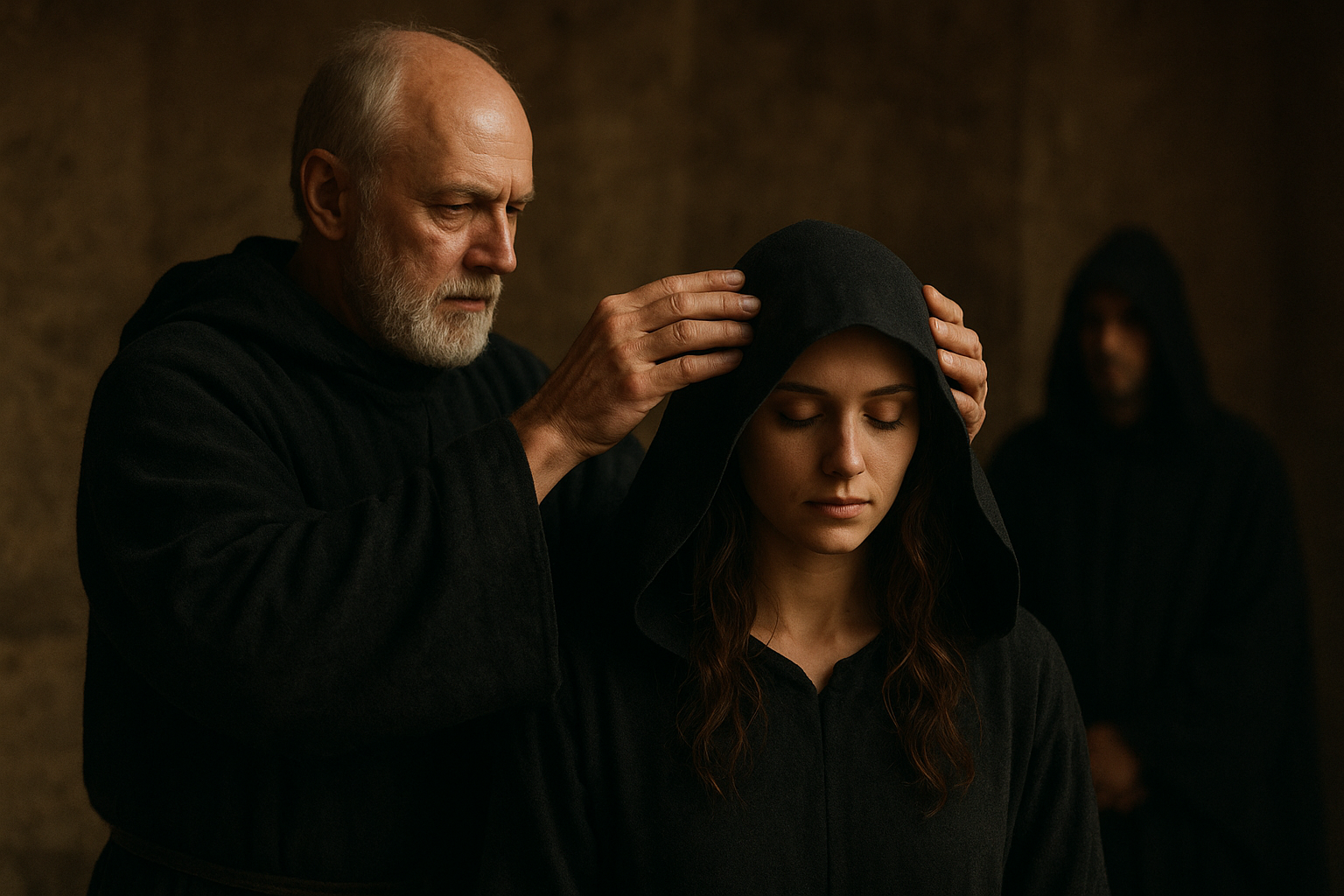
The Ethics of Initiation: Power, Consent, and Lineage in Secret Arts
In the realm of esoteric traditions and secret arts, initiation rites have long stood as gateways to deeper understanding and mastery. These rituals, shrouded in mystery, often serve as a transition from the mundane to the mystical, marking the passage from novice to adept. However, the ethics surrounding such initiations have increasingly come under scrutiny as practitioners and scholars question the dynamics of power, consent, and lineage within these practices.
Power Dynamics in Initiation
The process of initiation is inherently hierarchical. Typically, an established practitioner or master guides the initiate, fostering a relationship that is laden with power dynamics. Traditions such as Freemasonry, various mystical orders, and other secret societies continue to practice initiation as a cornerstone of membership and progression.
Dr. Jane Goodall, a researcher in anthropology, notes, “The power balance in initiation ceremonies often mirrors societal structures, where the mentor wields significant influence over the novice.” This influence can range from imparting knowledge to shaping the ethical and moral landscape the initiate will navigate.
Consent and Autonomy
While power dynamics are a natural part of any teacher-student relationship, the issue of consent in initiations raises ethical concerns. Consent implies that the initiate understands and agrees to participate fully in the rituals and the obligations they herald. However, the secretive nature of these traditions can obscure full understanding.
“At its core, consent must be informed and voluntary,” writes Susan Blackmore, author of numerous works on consciousness and spiritual practices. “Yet, the allure of mystery can sometimes overshadow a practitioner’s ability to make clear, autonomous choices.”
In many traditions, particularly those involving intensive psychological or spiritual experiences, practitioners are encouraged to divulge personal secrets or engage in practices that might not align with their initial beliefs. Ensuring an environment where individuals can pause or step back without consequence is crucial for ethical practice.
Lineage and Authenticity
In the world of secret arts, the notion of lineage refers to the unbroken transmission of knowledge and practices from master to disciple across generations. Lineage is often heralded as a badge of authenticity and authority. However, it can also be wielded as a tool for maintaining power structures within an esoteric tradition.
“Lineage should be seen as a living tradition, constantly evolving while respecting its roots,” remarks Dr. Marc R. Hinch, a historian specializing in spiritual traditions. “A rigid adherence to lineage without allowing for growth can hinder rather than enhance the spiritual journey.”
This raises the ethical issue of how much space is allowed for individual interpretation and evolution within these hierarchical systems. If lineage is about preserving the past without innovation, it risks becoming stagnant.
The Modern Perspective
Contemporary practitioners and organizations are becoming more conscious of these issues. Many modern spiritual movements emphasize open dialogue about the roles and responsibilities within initiatory structures. Ensuring that initiation practices are transparent about their intent and possible outcomes is becoming a standard ethic.
For example, organizations such as the Open Mystery School advocate a model that includes informed consent as a core tenet of their initiation processes, focusing heavily on mutual respect and understanding. They promote an approach where initiates are encouraged to ask questions and explore the implications of their commitments.
Conclusion
The ethics of initiation involve a complex interplay of power, consent, and lineage. As modernity continues to influence and reshape traditional practices, it is vital that those involved in the administration and participation of secret arts remain vigilant and reflective.
Ultimately, the path of initiation is as much about individual growth as it is about tradition. By prioritizing ethical considerations, future practitioners can ensure that these ceremonies remain meaningful and empowering rather than coercive and limiting.
As practitioners continue to navigate these intricate dynamics, the hope is that initiation remains a respected and cherished aspect of spiritual advancement, adjusted to fit the ethical understandings of our time.
Leave a Reply
You must be logged in to post a comment.