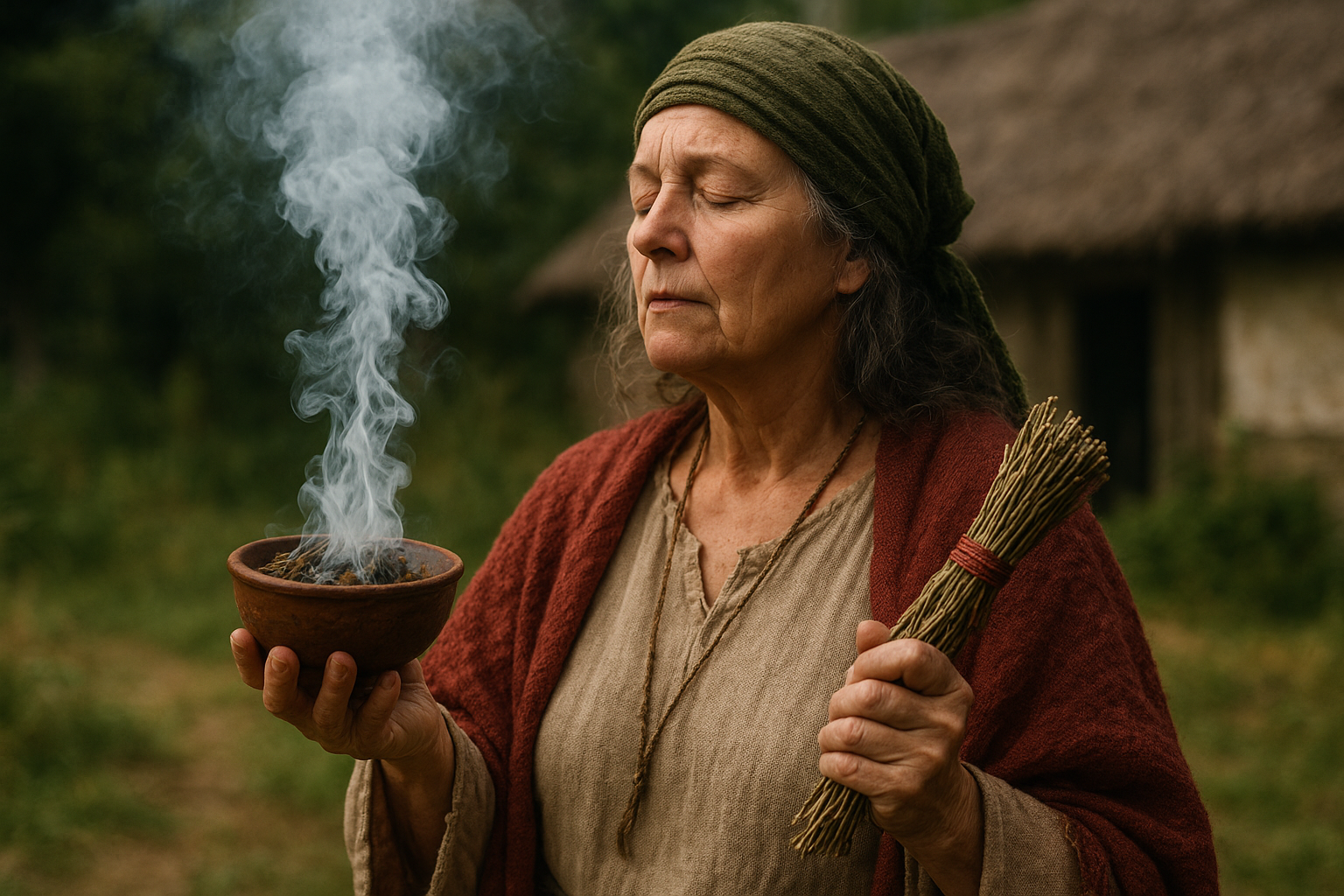
Folk Magic Revivals — Local Traditions Being Rediscovered and Reclaimed
In an ever-globalizing world, there is a powerful resurgence of local traditions as individuals and communities seek to reconnect with their roots. Among these cultural revivals, folk magic stands out as both a curious and profound movement. The rediscovery and reclamation of folk magic practices are taking place across diverse cultures, each with its unique traditions and narratives.
The Essence of Folk Magic
Folk magic, often referred to as “the people’s magic”, involves practices deeply embedded in the daily lives of communities. Unlike ceremonial or high magic, which is often performed by trained practitioners, folk magic is accessible and practiced by ordinary people. It encompasses a range of practices, including healing, protection, and divination, often utilizing elements from nature such as herbs, stones, and symbols.
“Folk magic offers a bridge between the past and the present, where history and tradition meet contemporary cultural identity,” notes Harvard University cultural historian Jane Doe.
The Many Faces of Folk Magic Revivals
- European Folk Practices: In Europe, countries like Ireland and Scotland have seen a rekindling of interest in their ancient Celtic traditions. Practices such as using stones or plants native to the region for blessings and protection are increasingly embraced. Many are turning to historical texts and oral traditions to revive these methods.
- Hoodoo and African American Conjure: In the United States, particularly among African American communities, there is a growing interest in Hoodoo. This tradition blends African spells and practices with Native American and European influences. Scholars like Yvonne Chireau have highlighted the resurgence of Hoodoo, stating that “It serves as a form of cultural and spiritual resistance.”
- Latin American and Indigenous Traditions: In regions like Mexico, the practice of Curanderismo is finding new life. This healing practice incorporates Catholicism, herbalism, and pre-Columbian indigeneous knowledge. There is also a renewed effort to protect indigenous rituals that were once suppressed or marginalized.
- Nordic and Slavic Traditions: Scandinavian countries have also witnessed a revival of old Norse pagan practices. Similarly, Slavic folk traditions, including the use of protective charms and incantations against negative forces, are being revitalized.
Factors Driving the Revival
Several factors contribute to the resurgence of folk magic practices:
- Identity and Heritage: For many, reclaiming folk magic is a means of reconnecting with cultural heritage. This search for identity is particularly resonant in post-colonial contexts, where traditional practices were often suppressed or discouraged.
- Ecological Awareness: As environmental concerns grow, people are turning to folk magic for its emphasis on harmony with nature. The use of herbs and natural elements aligns with sustainable living principles.
- Spiritual Fulfillment: In times of uncertainty, spiritual practices rooted in tradition provide solace and a sense of control. Folk magic offers practical solutions and empowers individuals by connecting them to ancestral wisdom.
Challenges Facing Folk Magic Revivals
Despite its growing popularity, the revival of folk magic faces several challenges:
- Commercialization: The commodification of spiritual practices can dilute their cultural significance. As folk magic gains popularity, it risks becoming another trend stripped of its profound meanings.
- Misinformation: With the rise of the internet, there is a proliferation of materials and interpretations of folk magic that may not be accurate or faithful to original traditions. This can lead to misunderstandings and distortions.
- Cultural Appropriation: When folk magic traditions are taken out of their cultural context and used without respect for their origins, it leads to cultural appropriation, which many communities seek to avoid.
The Future of Folk Magic
The revival of folk magic presents an opportunity to preserve and celebrate cultural diversity. As communities continue to reclaim these traditions, they also adapt them to contemporary values and concerns. The grassroots nature of this revival ensures that it remains a living tradition, evolving with each new generation that embraces it.
The future of folk magic lies in education, respectful engagement, and a genuine appreciation for the cultures from which these practices originate. By supporting initiatives that prioritize these principles, we can ensure that the enchanting world of folk magic continues to offer wisdom and inspiration for years to come.
Future anthropologist Dr. Jane Doe suggests, “Understanding and reviving folk magic is not just about the past; it offers crucial insights for finding meaning and purpose in our dynamic modern world.”
Whether for spiritual growth, cultural engagement, or environmental responsibility, the magic of the people is once again finding its voice, reaffirming its relevance and resilience in a modern era.
Leave a Reply
You must be logged in to post a comment.