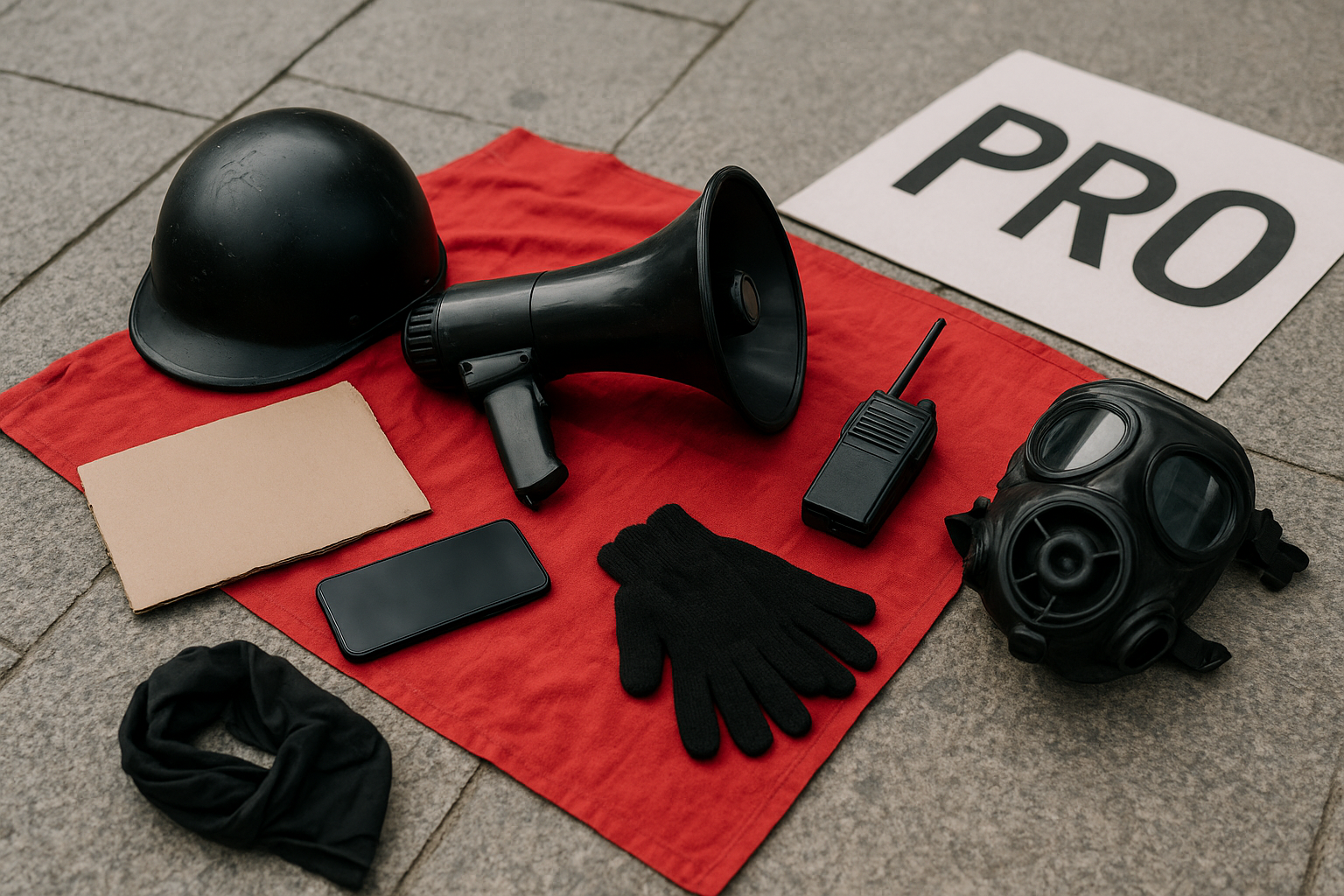
Protest Tech — Tools Used in Movements and the Debates Around Escalation
In the digital age, technology plays a pivotal role in shaping the landscape of social movements. From social media platforms catalyzing revolutions to encrypted messaging apps planning protests, technology has become both a tool of empowerment and a subject of controversy. This article delves into the various technologies used in protests worldwide, alongside the debates about their implications for escalation and control.
Technologies Empowering Protest Movements
Social Media Platforms
- Facebook and Twitter: From the Arab Spring to Black Lives Matter, these platforms have been used to disseminate information swiftly and organize rallies. They provide a public forum where protestors can voice their concerns and share real-time updates, compelling global attention.
- Instagram and TikTok: These visually driven platforms have become popular in capturing the emotive narratives of protests. The hashtag culture allows for content to be both accessible and shareable, creating viral threads of protest advocacy.
Encrypted Messaging Apps: Privacy in Protest
- Signal and Telegram: For many activists, security is paramount. Encrypted messaging apps such as Signal and Telegram are favored for their strong encryption protocols, providing users with increased security from state surveillance. These apps allow for private communications where strategies and logistics can be discussed without prying eyes.
Live Streaming and Video Sharing
- YouTube Live and Facebook Live: These services allow protesters to bypass traditional media outlets, sharing their perspectives directly with a global audience. Live streaming captures moments of civil disobedience or police interactions, often providing irrefutable evidence that can shift public opinion.
The Role of Drones and Surveillance
Alongside these popular tools for communication and organization, technology also expands into more innovative and controversial areas such as drones for aerial imagery, which offer broad perspectives of protest size and police actions.
“Drones, in particular, have become a double-edged sword, serving both protective roles for protesters and suppressive measures by authorities,” notes researcher Clara Mathews from ResearchGate.
Technological Escalation and Its Debates
With technology dramatically influencing protests, questions arise around whether these tools contribute to escalation. Critics argue that while technology empowers protesters, it also heightens the stakes involved, potentially leading to increased confrontations.
Encouraging Escalation
Enhanced Mobilization: Technology enables rapid assembly and re-assembly of protestors, leading to potentially larger turnouts that can escalate tensions with law enforcement.
Polarized Messaging: Algorithms that prioritize sensational content can amplify radical voices, pushing moderate discussions into extremities. This polarization can fuel aggressive rhetoric and actions on both sides of the protest lines.
Technology as a Double-Edged Sword
- Surveillance: While technology empowers protestors, it simultaneously equips authorities with sophisticated surveillance tools to monitor and control demonstrations, raising ethical concerns about privacy and civil liberties.
- Facial Recognition: Governments employ facial recognition software to identify protestors, which has sparked a significant backlash. Critics argue it violates rights and discourages participation, leading to stricter governmental control and possible escalation.
“The debate over facial recognition technology in public spaces is emblematic of a broader struggle over privacy and state control,” states Paul Lewis, a technology journalist at The Guardian.
Case Studies: Protest Technology in Action
Examining recent cases offers insights into how these technologies have both empowered movements and fueled escality claims. The 2014 Hong Kong Umbrella Movement is one such case where protesters used mesh networks to circumvent internet service disruptions. These decentralized networks provided stable communication channels independently of state-controlled telecommunications, underscoring technology’s empowering role.
In contrast, during the 2020 US Black Lives Matter protests, escalations were linked to social media platforms as inflammatory posts were rapidly spread and rallies were occasionally met with heightened police presence.
Conclusion: Navigating the Future of Protest Tech
The intersection of technology and protest remains a crucial focus for researchers and activists alike. As technology evolves, so too do the tactics employed by both protestors and authorities. Balancing empowerment and control, freedom and security, will require ongoing dialogue and regulation.
Ultimately, while technology can amplify the voices of the oppressed and coordinate powerful mobilization, it also carries inherent risks that must be addressed to prevent unnecessary escalation. As the world continues to navigate these complex dynamics, innovation must be paired with conscientious discourse to foster global movements that are not only effective but also ethical and safe.
Leave a Reply
You must be logged in to post a comment.