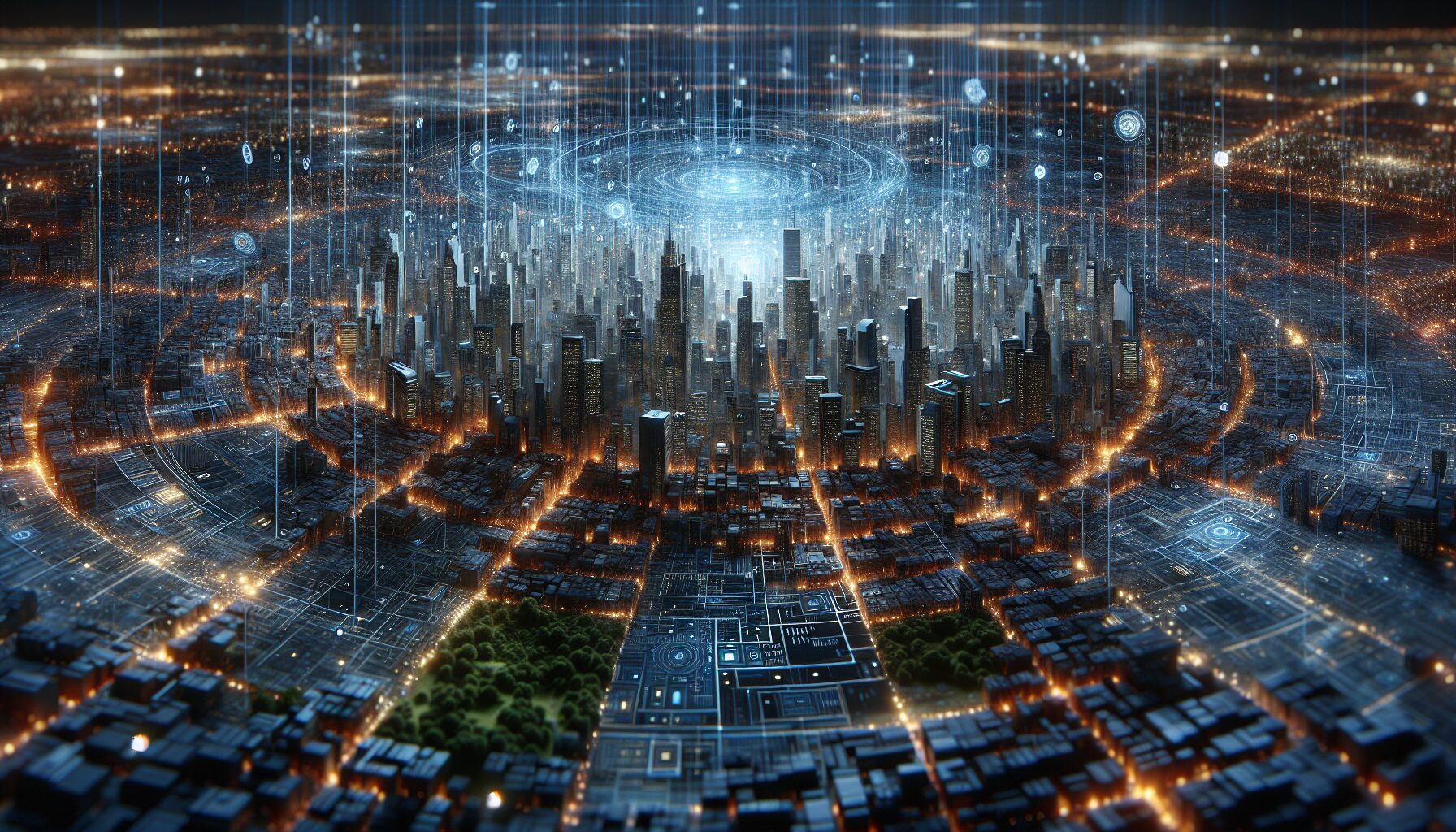
In a world increasingly intertwined with digital landscapes, the notion of a “phantom city” is not merely the content of science fiction but an emerging reality. These virtual spaces, layered invisibly over our physical environments, open up new realms for exploration, creativity, and interactivity.
Emergence of Virtual Spaces
Virtual spaces, once confined to gaming worlds and niche applications, have expanded across multiple facets of everyday life. These digital environments, now accessible via smartphones, tablets, and immersive headsets, allow users to experience a blend of the real and the imagined.
“We are standing on the threshold of a new age where the boundaries between physical and virtual worlds are increasingly blurred,” notes Jaron Lanier, a pioneer in virtual reality development.
Hidden Layers of the Phantom City
Unlike traditional cities with visible infrastructure, the phantom city’s layers are often hidden and dynamic. Augmented reality applications can overlay historical data, real-time updates, and interactive elements on cityscapes, transforming ordinary streets into portals of discovery.
- Historical Augmentation: Imagine walking past an ancient site and seeing reenactments of past events seamlessly integrated into your view.
- Interactive Tourism: Tourists can engage with sculptures, monuments, and historical figures through AR apps, gaining deeper insights and narratives.
- Real-Time Data Integration: Smart city initiatives utilize these hidden layers to convey live data—such as traffic updates, weather conditions, and public transport schedules—enhancing urban utility and inhabitant engagement.
Implications and Challenges
The proliferation of phantom city layers brings both opportunities and challenges. On one hand, these virtual spaces foster creativity, education, and entertainment. On the other, they pose questions about data privacy, accessibility, and digital fatigue. It’s imperative that developers and policymakers work together to ensure these spaces are inclusive and protect users’ rights.
Lizzie Richardson, a geographer at Durham University, emphasizes the importance of understanding these intertwined layers: “By examining how digital and physical spaces overlap, we can develop more inclusive and adaptive urban environments.”
Conclusion
The phantom city is undeniably reshaping our relationship with urban spaces. As we continue to layer new realities upon the old, the allure of virtual spaces invites cities to reinvent themselves, offering inhabitants a dynamic canvas to navigate and engage with.
Leave a Reply
You must be logged in to post a comment.