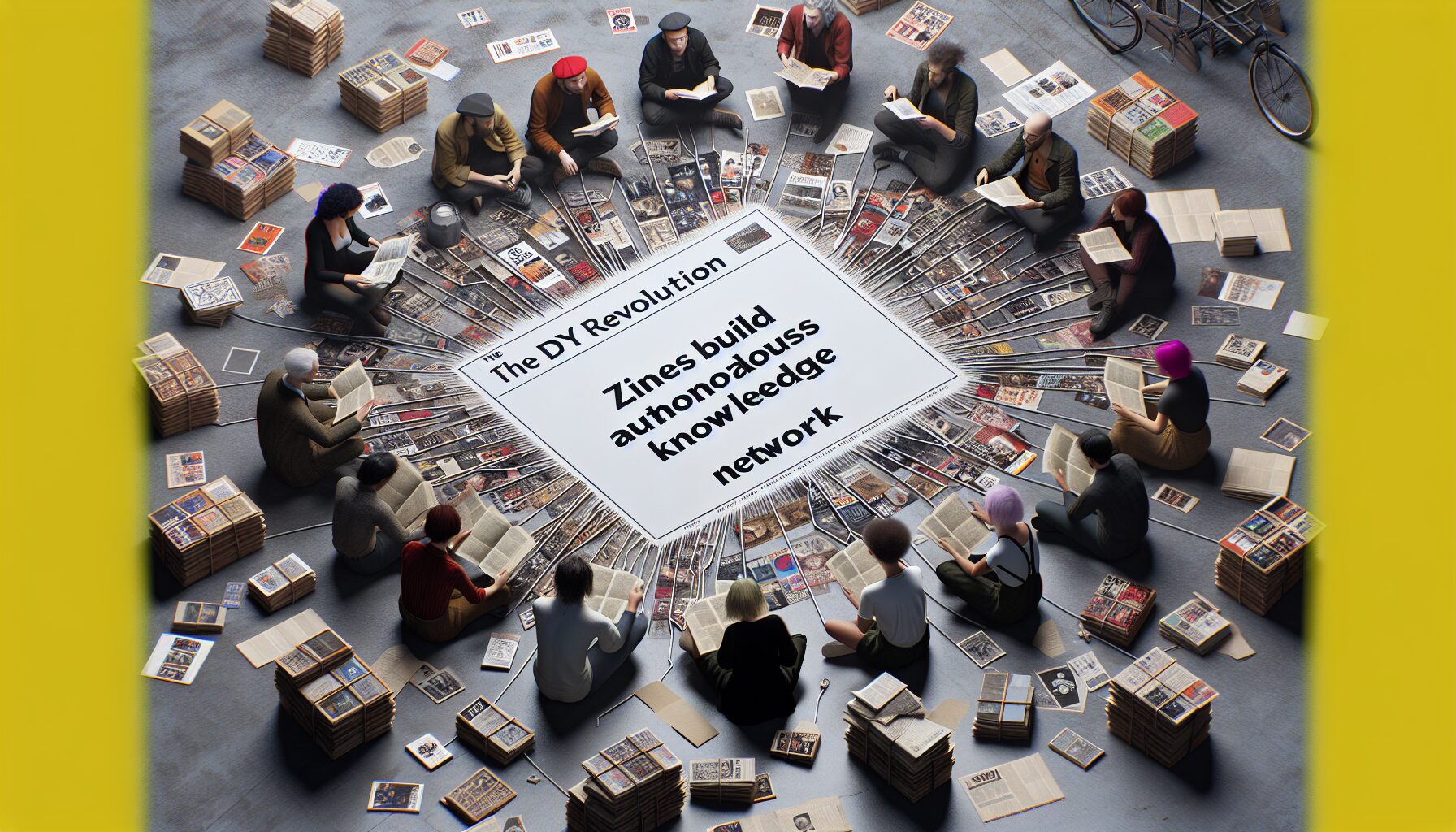
DIY Revolution: How Zines Build Autonomous Knowledge Networks
In an era where information flows rapidly but is often controlled by a small number of gatekeepers, the resurgence of zines offers a refreshing form of DIY (Do-It-Yourself) knowledge dissemination. These self-published, small-circulation booklets are more than quirky relics of the punk era; they represent a powerful form of resistance against mainstream media and traditional publishing. Zines facilitate the creation of autonomous knowledge networks, empowering marginalized voices and fostering genuine human connections.
The Origins and Evolution of Zines
Historically, zines have been associated with the countercultural movements of the 20th century. In the 1930s, science fiction fans began producing “fanzines” to discuss and critique their favorite works. The 1970s punk movement saw a surge in zines as a means of promoting music, ideologies, and cultural critiques unconstrained by the commercial music press.
Marred by often crude production techniques using typewriters, photocopiers, and staple guns, zines did not seek the polished appearance of corporate media. Instead, they cherished authenticity and urgency in their messages.
Zines as a Form of Resistance
As noted by Fred Wright, an early advocate, “Zines started out as just getting something down on a piece of paper and spreading it around.”[1] This encapsulates the rebellious spirit that drives zinesters. By bypassing traditional publication avenues, zines serve as antidotes to censorship and commodification of art and ideas.
“By the people, for the people…Zines burn down the barriers that professional journalism and publishing set up.” – Anne Elizabeth Moore,[2] writer and cultural critic.
Building Autonomous Knowledge Networks
Zines create networks that thrive independently from corporate entities, facilitated by the following aspects:
- Accessibility: Relatively low production costs make zines attainable for many creators and readers, encouraging widespread participation and diverse content.
- Decentralization: Free from editorial constraints, zines can present a multitude of perspectives that resonate with niche or underrepresented audiences.
- Community Building: Zinesters often engage readers through events like zine fests, promoting face-to-face interaction, collaboration, and the exchange of ideas.
Empowerment Through Storytelling
For many contributors, zines are a powerful tool for personal expression and advocacy. They offer an outlet to explore themes ranging from political activism and personal experience to fiction and art. Particularly for marginalized communities, zines provide a voice where there might not have been one before.
Riot Grrrl, a feminist punk movement from the 1990s, utilized zines extensively to address issues like gender discrimination, sexual violence, and identity. By sharing personal stories and struggles, they established a profound sense of solidarity and empowerment.
Challenges and Limitations
Despite their numerous benefits, zines are not without limitations. The primary challenges include:
- Distribution: Zines’ grassroots nature means limited reach compared to mainstream media, often resulting in small, localized circles of influence.
- Resource Limitations: The cost and time required to produce physical zines can be barriers for some creators.
- Sustainability: With the digital shift, the materiality of zines can sometimes struggle against virtual counterparts which are easier to disseminate globally.
Convergence with Digital Media
While traditional zines are tactile objects, the digital age has inspired e-zines and hybrids that merge the DIY ethos with digital tools. These digital iterations expand potential reach while maintaining the spirit of independence and inclusion that defines the print form.
Nevertheless, the resurgence of print zines amongst younger generations suggests a yearning for tangible, personal media—a yearning to hold something crafted by human hands.
The Symbiotic Relationship: Zines and Social Media
Social media platforms can amplify zine culture by promoting and discussing zines, hosting virtual zine meet-ups, and connecting zinesters globally. However, this symbiosis also presents a paradox: zines, which resist mainstream channels, leverage these very channels to expand their networks.
“To zine is to defy the notion that social media presence is the only legitimate form of visibility.” – Jenna Freedman, zine librarian and activist.[3]
The Future of Zines in Autonomous Knowledge Networks
Zines will continue to be a vital part of autonomous knowledge networks so long as there is a desire for unfettered self-expression and community. As society moves forward, the adaptability of zines ensures they remain relevant, bridging physical and digital spaces, and reaching new generations of creators and thinkers.
Ultimately, zines are more than just booklets; they are beacons of free thought and connection. In the words of renowned zinester and writer V. Vale, “Zines are an expression of our prevailing urge to communicate beyond the limits imposed by society.”[4] This timeless urge ensures zines’ place in the cultural landscape of autonomous knowledge.
Conclusion
In conclusion, the resurgence of zines encapsulates a broader desire for independent, meaningful communication that challenges the status quo. As communities worldwide continue to embrace the DIY ethos, zines will remain a powerful medium for building networks of shared knowledge, solidarity, and art.
Leave a Reply
You must be logged in to post a comment.