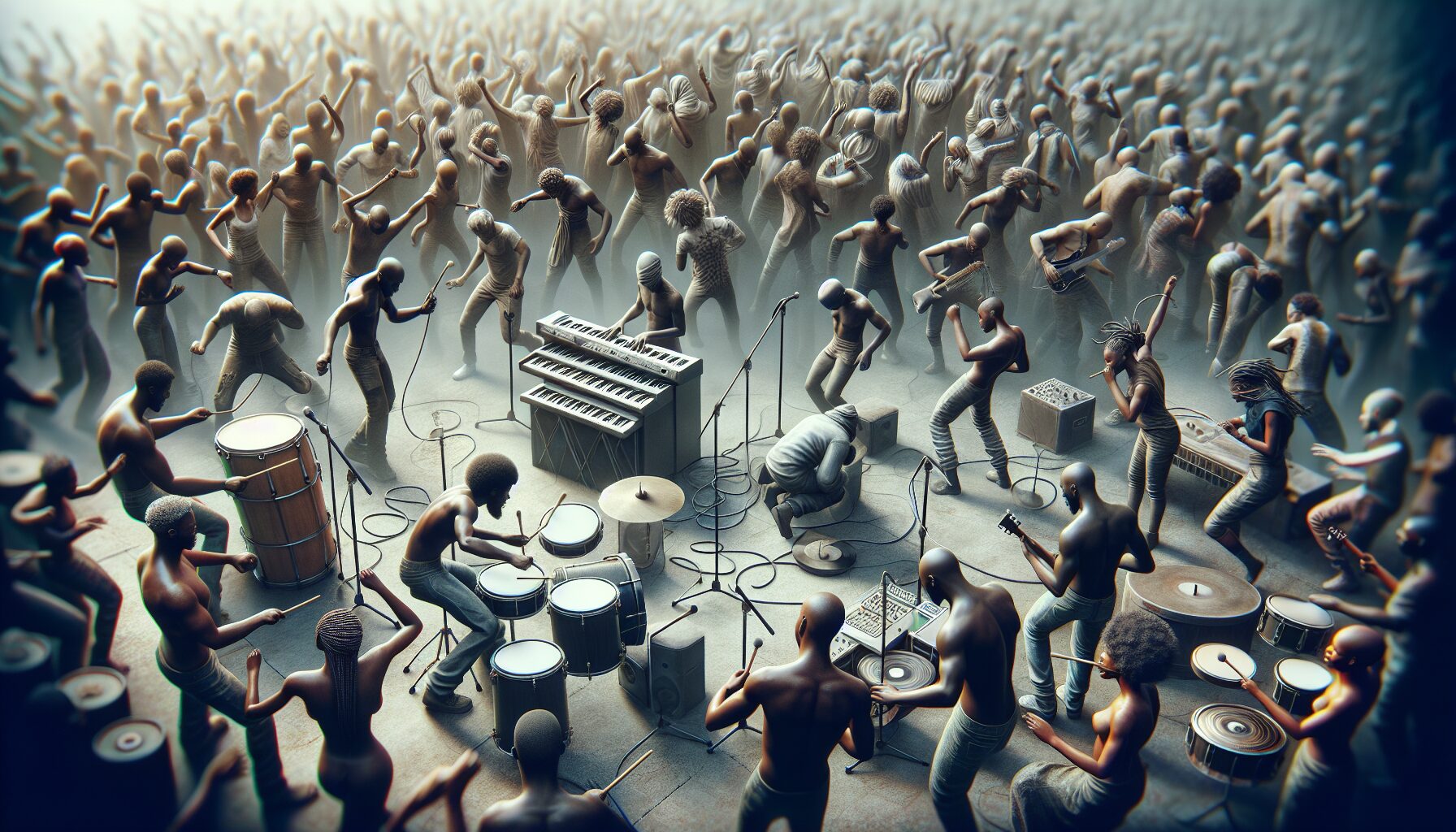
Resist Through Rhythm: Music as an Anti-System Weapon
Throughout history, music has been a powerful tool for expression, empowerment, and resistance. From folk tunes murmured in secrecy to ballads resonating through the airwaves, rhythmic creations have served as a companion in the battle against oppression and injustice.
The Power of Sound in Social Movements
Music’s ability to transcend language barriers and evoke profound emotions makes it a potent weapon against systemic inequities. During times of socio-political turmoil, resistant music becomes more than mere entertainment—it is a rallying cry, a banner under which people gather.
Historical Examples of Music in Resistance
- The Civil Rights Movement: In the 1960s, the U.S. Civil Rights Movement was underscored by spirituals, gospel, and folk songs that communicated the struggles and hopes of African Americans. “We Shall Overcome” became the unofficial anthem symbolizing unity and determination. As Martin Luther King Jr. stated, “The freedom songs are playing a strong and vital role in our struggle.”[1]
- Anti-Apartheid Struggle: In South Africa, music was integral to the anti-apartheid movement. Legendary figures like Miriam Makeba and Hugh Masekela used their music to raise awareness worldwide. Their songs, such as Makeba’s “Soweto Blues,” highlighted the brutal realities of apartheid and invigorated resistance, both domestically and globally.[2]
- The Punk Movement: Emerging in the mid-1970s, punk music in the United Kingdom and the United States was an outlet for young people’s frustration with the status quo. Bands like The Clash and the Sex Pistols challenged norms with their raw sound and politically charged lyrics, advocating for social and political change.
Music as a Global Language of Protest
Each culture has unique sounds and rhythms reflective of their collective experiences, giving rise to cross-cultural solidarity. From “Bella Ciao,” an Italian folk song adopted by anti-fascist movements worldwide, to Bob Marley’s reggae anthems calling for peace and social justice, storytelling through song becomes universal.
Transforming Pain into Power
For communities under duress, music not only hears their cries but amplifies them. By singing about personal and shared pain, musicians can document social injustices and transform anguish into collective strength. Notable albums, such as Bob Dylan’s “The Times They Are a-Changin’” and Nina Simone’s “Mississippi Goddam,” have become synonymous with defiance and resilience.
“An artist’s duty, as far as I’m concerned, is to reflect the times.” — Nina Simone[3]
Modern Resonances: Music in Today’s Protests
In today’s digitized world, the avenues to share and consume music have exponentially increased, allowing protest music to reach vast audiences. The Black Lives Matter movement, for instance, has catalyzed a surge in protest music addressing systemic racism and police brutality. Artists like Kendrick Lamar and Beyoncé have embedded socially conscious messages in their music, further fueling the fires of activism.
Music Festivals as Platforms for Change
- Coachella and Social Awareness: Major music festivals are increasingly platforms for activism. Coachella, for instance, has seen performances that emphasize social justice themes, such as Beyoncé’s iconic 2018 performance that celebrated Black culture and history.
- Political Songs in Chart-Toppers: Songs like Childish Gambino’s “This Is America” blend gripping narratives about gun violence and the African American experience with compelling visual storytelling, further using the music video as an extension of the song’s message.
The Future of Music as a Weapon
As societies continue to grapple with inequalities and political upheaval, music will undoubtedly remain a steadfast beacon of resistance. With burgeoning technologies, musicians can now craft more innovative and accessible ways to engage audiences worldwide in dialogues on critical issues.
Moreover, music’s evolving landscape holds the potential to bridge gaps across movements and embolden marginalized voices. As streaming platforms continue to democratize access to varied sounds and stories, the timeless ability of music to challenge and change the system persists.
Conclusion
Music’s role as an anti-system weapon is well documented and ever-evolving. As new genres arise and technologies advance, the essence of resistance found in rhythm remains. This universal language of struggle and solidarity will continue to inspire those who seek change, reminding us that every beat, lyric, and melody can carry the power to reshape a more just world.
Leave a Reply
You must be logged in to post a comment.