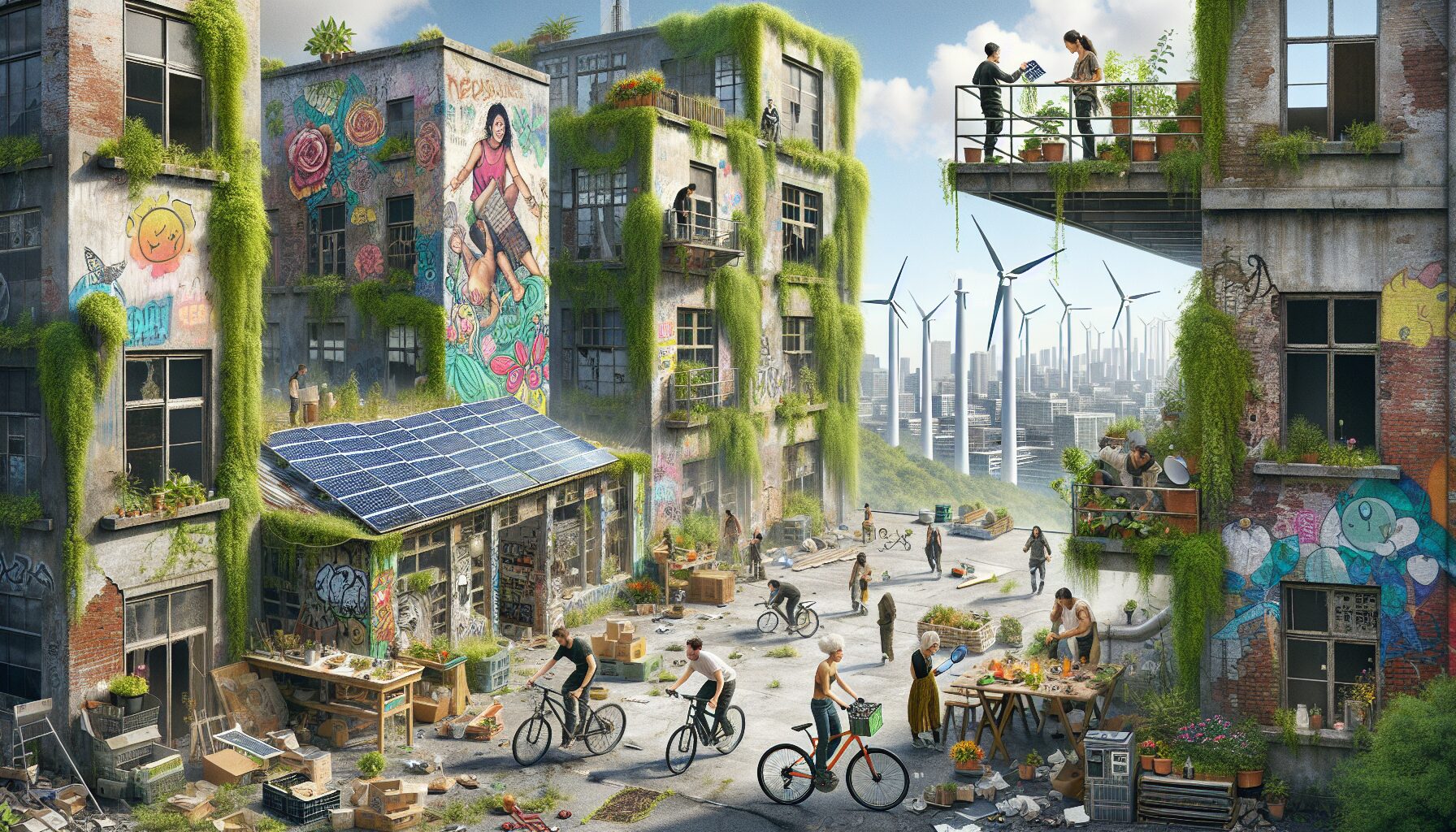
Eco-Punk Manuals: Living Radical Sustainability in Practice
In an era where the environment is under unprecedented strain, a new wave of pragmatic sustainability called “eco-punk” is emerging from the fringes. Eschewing apathy and traditional environmentalism, eco-punk embodies a radical, do-it-yourself ethic rooted in ecological mindfulness. But what exactly does it mean to embrace such a lifestyle, and how can individuals commit to living sustainably while challenging societal norms?
Understanding Eco-Punk Ethos
At its core, eco-punk merges the rebellious spirit of the punk movement with an urgent environmental consciousness. It is about harnessing creative resistance to build systems that prioritize the planet. According to Everett True, an authoritative voice in alternative culture, “Punk was always about questioning everything, and eco-punk asks why we’re destroying the world we live in and then creates alternatives.”
The Principles of Radical Sustainability
Eco-punk encourages individuals to rethink and reshape their relationship with the environment through a spectrum of hands-on initiatives:
- Upcycling and Reparations: The practice of transforming waste into resources. By repairing instead of replacing, eco-punks diverge from the consumerist culture.
- Permaculture and Urban Gardening: Pioneering local food systems that foster biodiversity and self-reliance.
- Zero-Waste Living: Minimizing waste production by opting for reusable alternatives over disposable products.
- DIY Energy Solutions: Examples include crafting personal solar power setups or wind turbines from salvaged materials.
- Rewilding Spaces: Revitalizing urban areas with native plants that support wildlife and improve air quality.
Eco-Punk in Action: Real-Life Examples
Across the globe, individuals and communities are actively implementing eco-punk principles in innovative ways:
“The greatness of a community is most accurately measured by the compassionate actions of its members.” — Coretta Scott King
1. The Transition Movement
Originating in Totnes, UK, the Transition Movement is a network of grassroots initiatives aimed at increasing community resilience. They address the twin challenges of climate change and economic instability by advocating for relocalization of energy, food, and transportation systems.
2. Guerrilla Gardening
Not officially sanctioned but broadly impactful, guerrilla gardening involves reclaiming neglected urban spaces by planting flowers and vegetables. These acts transform barren lots into green oases, promoting biodiversity and providing local food sources.
3. Makerspaces and Fab Labs
These community-centered workshops offer tools and education for crafting sustainable solutions, from biodegradable packaging to innovative recycling methods. According to the EDN network, such spaces foster a culture of creativity and shareability that aligns perfectly with eco-punk values.
The Eco-Punk Manual: A Blueprint for Change
Advocates of eco-punk sustainability have begun to compile manuals to propagate their ethos. These publications are akin to an anarchist cookbook for environmental rebels—critical resources for those wishing to break free from ecological dependence.
Key Sections in an Eco-Punk Manual
- Manifestos: Calling for a paradigm shift in societal norms and highlighting the pressing need for action.
- Practical Guides: Step-by-step instructions for building and maintaining sustainable systems.
- Success Stories: Accounts of successful eco-punk projects that serve as inspiration and evidence of potential impact.
- Community Building: Tools for creating and mobilizing local groups focused on environmental outcomes.
- Resources and Collaborations: Listings of organizations, networks, and events dedicated to eco-punk principles.
Critical Perspectives and Challenges
Like any radical movement, eco-punk faces its share of criticism and logistical hurdles:
- Legality: Activities such as guerrilla gardening can sometimes conflict with municipal statutes or property laws.
- Inclusivity: Ensuring that diverse voices and perspectives are meaningfully included within the movement.
- Scalability: Identifying and addressing the challenges of scaling small, local initiatives for broader impact.
“Action without vision is only passing time, vision without action is merely daydreaming, but vision with action can change the world.” — Nelson Mandela
The Path Forward
Despite these challenges, the eco-punk movement embodies an essential paradigm shift. It invites a fusion of artistic rebellion with ecological prudentiality, converging where the personal meets the political. In a world on the brink of environmental collapse, embracing the eco-punk lifestyle might just be the most rational choice for those ready to make a tangible impact.
Ultimately, eco-punk is more than a guide or ideology; it’s a lifestyle commitment to living lightly on this earth. As climate disruptions evolve, the tenets of eco-punk promise resilience through radical simplicity and innovative action.
It’s a call to arms for those daring enough to redefine existence on planet Earth, one small step at a time. For more information, communities, and guidance, enthusiasts can turn to online sources or collaborative manuals continually adapting to the needs of this growing movement.
Author: Eco-Punk Enthusiast
Sources: “The Resurgence of the Maker Movement” – EDN Network
Leave a Reply
You must be logged in to post a comment.