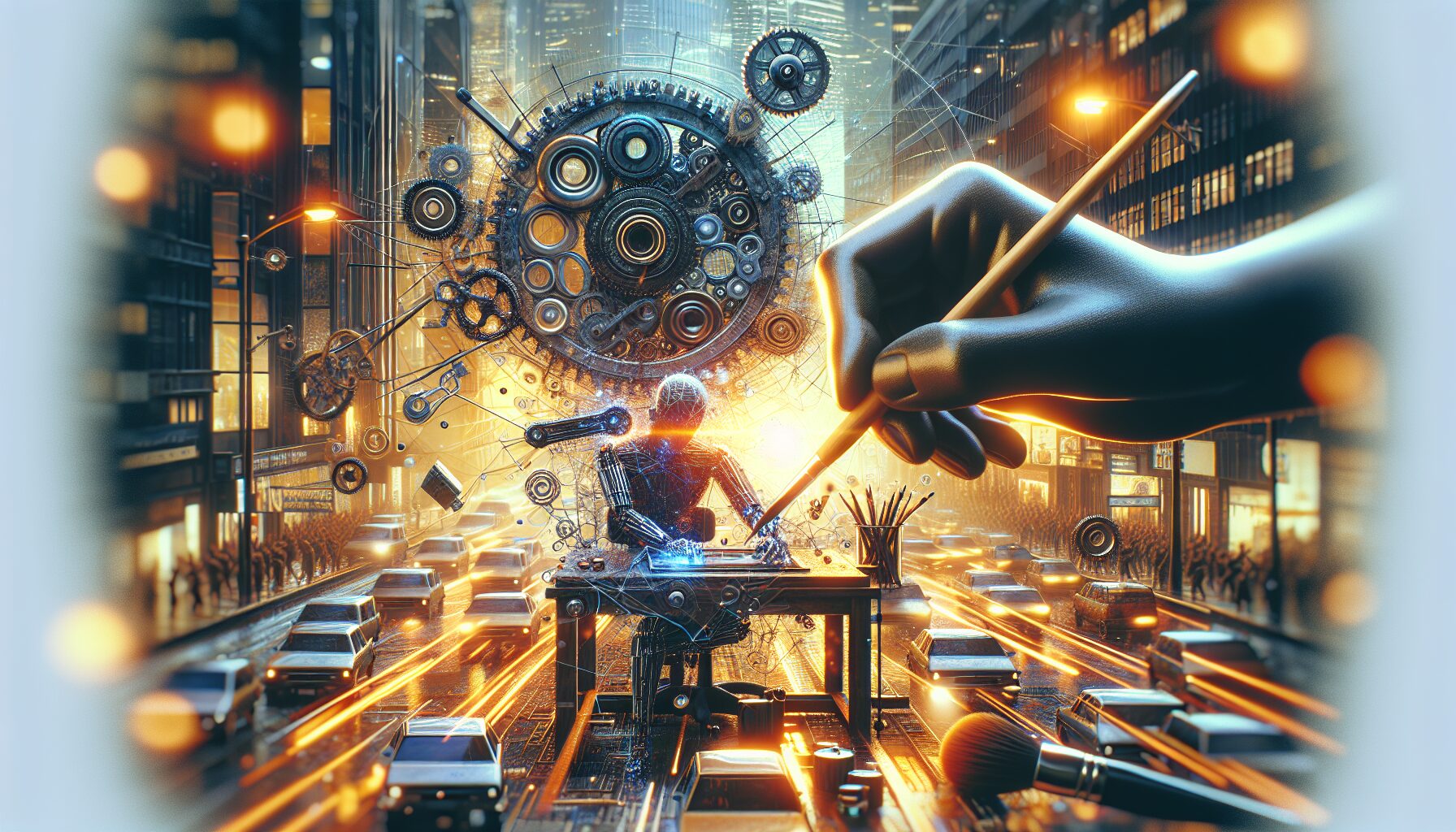
In today’s world, where media channels are bombarded with commercial influences and standardized narratives, autonomous noise emerges as a powerful tool for creating genuine, unfiltered content. This phenomenon, often driven by indie creators and grassroots movements, is reshaping how we consume information and culture.
Understanding Autonomous Noise
Autonomous noise refers to the unmediated and spontaneous expression of ideas, art, and media that thrives outside the constraints of commercial influences. This genre flourishes in environments that encourage creativity, authenticity, and independence. At its core, autonomous noise is about reclaiming space from corporate entities and promoting diversity of thought and expression.
The Rise of Independent Media
The emergence of digital platforms has democratized the media landscape. According to a Pew Research Center study, more than 60
“The beauty of independent media is its ability to adapt, evolve, and influence without the need for corporate approval.” – The Guardian
Indie filmmakers, podcasters, bloggers, and social media influencers are at the forefront of this movement. With minimal equipment and resources, they can produce content that resonates with niche audiences, often addressing issues and topics overlooked by mainstream media.
The Challenges of Commercial Influence
Commercial influence in media can lead to homogenization of content, where the majority of outlets focus on ad-friendly, widely appealing content. This often results in:
- Narrowed Content Choices: As media companies chase profits, they may avoid risky or controversial topics, leading to a bland and repetitive media ecosystem.
- Advertising Pressure: Content that relies on ad revenue is more likely to be swayed by advertiser interests, potentially compromising journalistic integrity.
- Monopoly Control: A handful of conglomerates control a significant portion of media outlets, limiting the diversity of voices and perspectives.
The Strengths of Autonomous Noise
Autonomous noise thrives on its independence and the diversity it brings to the table, offering several strengths:
- Authentic Voices: Free from the constraints of commercial interests, creators can explore controversial and diverse topics, bringing unheard voices to the forefront.
- Creative Freedom: Without the need for approval from higher-ups, creators can experiment and innovate, leading to fresh and original content.
- Community Building: Autonomous creators often cultivate tight-knit communities that are deeply engaged and invested in the content produced.
“When content is created out of genuine passion rather than profit, it resonates more deeply with audiences.” – The Verge
Examples of Successful Autonomous Noise
Film and Video
Platforms like YouTube and Vimeo have given rise to successful independent filmmakers. For instance, the work of filmmakers such as Boing Boing has garnered substantial followings without mainstream backing, paving the way for diverse storytelling techniques.
Podcasts
The podcasting world has seen explosive growth, with indie voices like NPR’s hidden gem “Latino USA” addressing underrepresented issues that might not attract commercial interest. These shows prove that passionate storytelling trumps high-budget productions.
Music
On platforms like Bandcamp and SoundCloud, musicians can independently release their work without label interference. Artists like Pitchfork’s top indie musicians often capture audiences with unique sounds and messages.
Challenges Facing Autonomous Creators
Despite its strengths, autonomous noise isn’t without its challenges:
- Funding: Independent creators may struggle with monetization and sustainable income without traditional commercial backing.
- Visibility: Breaking through the clutter in an oversaturated market can be difficult, requiring strategic digital marketing and community-building efforts.
- Resource Limitations: While creativity thrives under constraints, limited resources can hinder production quality and reach.
“Navigating the fine line between artistic independence and financial viability is a struggle many creators face.” – Wired
Conclusion: The Future of Autonomous Noise
As we move further into an era where digital platforms continue to expand, the potential for autonomous noise grows. With the global access to creative technologies, more individuals have the opportunity to break free from commercial constraints and create meaningful, impactful content. Ultimately, autonomous noise not only diversifies our media landscape but also challenges the status quo, making room for voices and stories that deserve to be heard.
In this ever-evolving digital age, the creators of autonomous noise hold power—the power to inspire change, provoke thought, and reshape cultural landscapes, one independent voice at a time.
Leave a Reply
You must be logged in to post a comment.