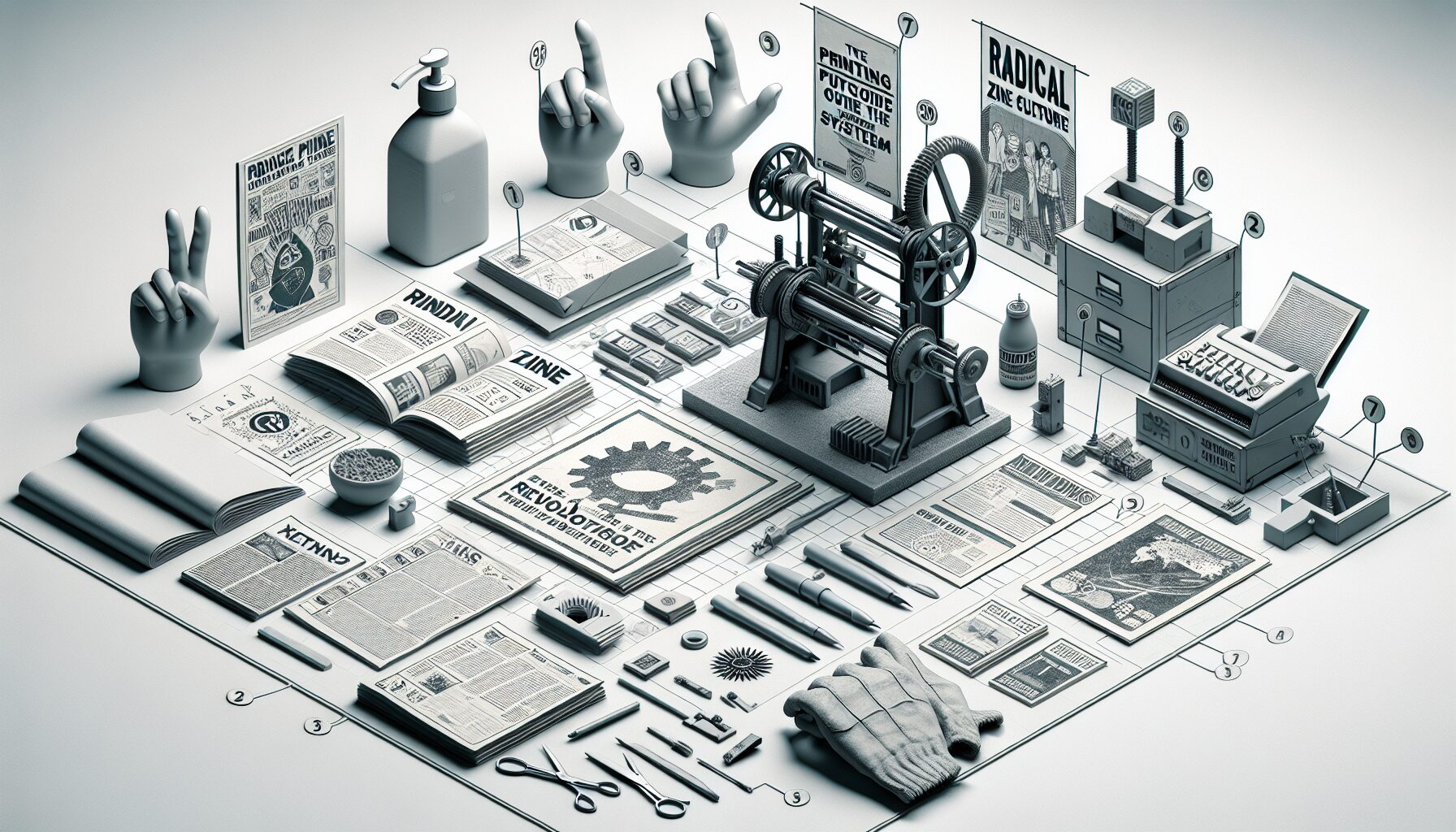
In an era dominated by digital media, the rise of the internet and social platforms, the printed page seems to have lost its allure for many. Yet, for a dedicated subculture, zines continue to thrive as a powerful medium for self-expression, community building, and alternative narratives. Zines, short for magazines or fanzines, are small-circulation, often self-published works covering various unconventional topics. They are manifestations of radical thoughts, ideas, and artistry that find a voice outside mainstream channels.
The Roots of Zine Culture
Zine culture has deep roots going back to the science fiction fanzines of the 1930s, but it significantly burgeoned during the punk movement of the 1970s. Punks used zines to convey their anti-establishment ideals, promote bands, and critique the socio-political state of affairs. This do-it-yourself (DIY) ethic was perfectly embodied in zine production, where glossy, commercial polish was eschewed in favor of raw, unfiltered authenticity.
“Zines offer a space for marginalized voices to express themselves in ways that mainstream media does not allow.” — University of Oregon’s Daily Emerald
The Modern Zine Renaissance
The resurgence of zine-making in the 21st century is a fascinating evolution. Many attribute this to the growing disillusionment with digital media’s ephemeral nature. In response, there is renewed appreciation for tangible media that one can hold, feel, and read at their own pace without the perpetual glow of a screen.
- DIY Spirit: Zines uphold the ethos of creating something from scratch, with no need for tons of capital or connections.
- Community Building: By circulating zines at events or selling them in independent bookstores, creators forge a community of like-minded individuals.
- Aesthetic Appeal: The tactility and personalized style of each zine contributes to its charm, making it a collector’s item for aficionados.
Printing Techniques and Distribution
Most zine creators start with basic tools: paper, scissors, glue, a photocopier, and a dream. Despite their humble beginnings, some zines have evolved into beautifully crafted volumes, using risography, screen printing, and letterpress techniques.
Distribution, too, has taken interesting twists—mail trades, zine fests, and mutual support networks. The Berlin Zine Festival and Chicago Zine Fest are excellent examples of spaces where zine enthusiasts gather to exchange their work, ideas, and passion. Through these festivals, zines are brought to diverse audiences, extending their reach beyond local confines.
“Zines are special in that they cross national and cultural boundaries with relative ease — and they do so through the post! In essence, zines create postal networks, this is quite unique and very encouraging.” — The Atlantic
Content and Themes
Zines often delve into niches that mainstream media doesn’t prioritize. They’re fertile ground for experimentation, self-reflection, and radical discourse. Common themes include:
- Feminist and LGBTQ+ Politics: Zines like “Riot Grrrl” and “Queer Ultra Violence” have become iconic for their unapologetic stance and representation.
- Art and Photography: Showcasing independent artists, these zines offer a platform for artwork and photography that challenge normative aesthetics.
- Personal Narratives: Memoir-style zines provide intimate glimpses into personal experiences, often becoming testimonials of resilience and identity exploration.
Challenges and Resilience
Despite the evocative power of zines, challenges exist. Financial limitations often restrain production quality and quantity. Yet, this scarcity adds a layer of exclusivity and urgency. Additionally, because zines operate outside traditional networks, gaining visibility can be difficult. However, social media has somewhat alleviated these obstacles, serving as both a promotional tool and a bridge to engage new audiences.
The resilience of zine culture lies in its ability to adapt and reinvent itself. As networks grow, so do the innovative ways creators share and produce zines. Initiatives like Kickstarter campaigns have empowered zine artists to crowdfund their projects, thus bypassing financial hurdles.
The Future of Zines
With their continued popularity in academic, artistic, and activist circles, zines will remain a critical component of radical publishing. They stand not only as historical artefacts but also as ongoing dialogues of resistance and transformation. The next chapter of zines might involve more integration with digital platforms, not as competitors but as complementary mediums where content can be accessed globally and preserved.
In essence, the zine culture is a testament to the enduring need for varied forms of storytelling and expression. While the mediums evolve, the core spirit of zines — one of community-driven, authentic, and subversive dialogue — remains unmistakably compelling.
Leave a Reply
You must be logged in to post a comment.