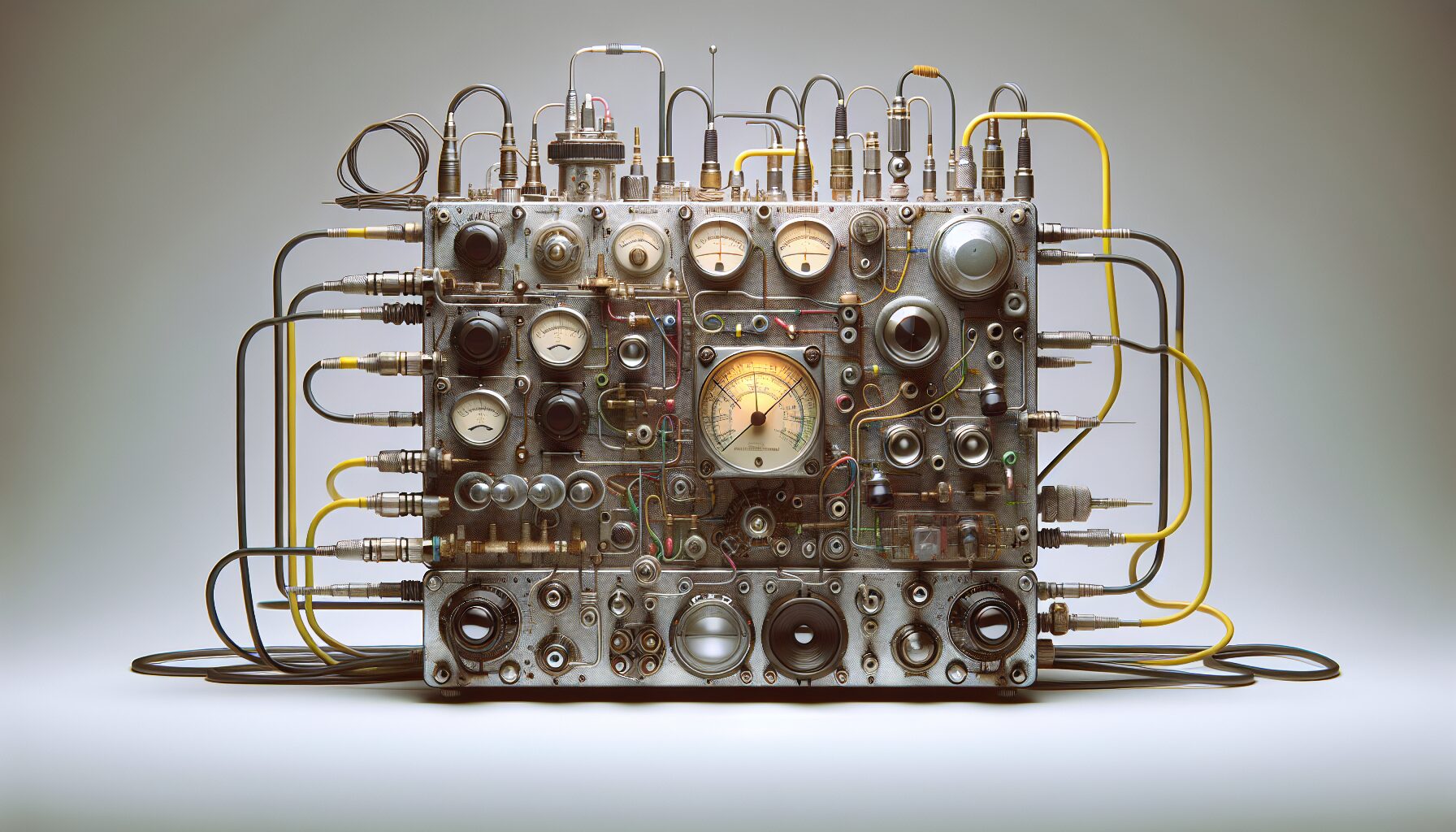
DIY Frequency: Building Resistance Through Sound
In an era where mass protests and social movements are becoming more prevalent, unconventional methods of resistance are also gaining popularity. One such method is the use of sound, a powerful and often overlooked tool, in the fight for social justice. DIY frequency and sound wave technology are gaining traction as accessible means for activists to organize, resist, and communicate under oppressive regimes.
The Power of Sound
Sound, at its very essence, can be a method of communication, a tool for organization, and a means of protest. According to Nicole Laskowski in TechTarget, “Sound doesn’t just travel. It resonates. It makes people feel. The vibration of sound can affect mood, energy levels, and, as a result, behavior.” This inherent quality of sound makes it uniquely suited to mobilize and unite people in times of distress.
Historical Precedents
The utilization of sound in protest has deep historical roots. Consider the singing revolution in Estonia, Latvia, and Lithuania during their push for independence from the Soviet Union. The mass gatherings where tens of thousands sang forbidden patriotic songs became symbolic of nonviolent resistance. The simple yet powerful act of singing solidified a national identity and galvanized movements towards freedom.
“When people sing together, resistance is built into the melody and harmony,” noted John Mullen, a professor of cultural studies.
DIY Sound Tools
- Portable Speakers: Activists use mobile phones combined with portable speakers to spread messages quickly and efficiently. Speakers can amplify messages over a wide area, ensuring that voices of protest are heard even amidst chaos.
- Binaural Beats: A modern development in sound protest is the use of binaural beats – audio tracks that can induce a meditative or hypnotic state, potentially calming large groups or making them more receptive to a particular message.
- Radio Transmission: Shortwave and pirate radio have historically been effective in transmitting messages across borders, circumventing official channels controlled by authoritarian regimes.
- Sound Bombs: Similarly, tactical use of sound has been recommended for temporary distraction or disbursement of crowds. High-decibel sound devices can temporarily incapacitate enforcement lines, giving protestors time to regroup or escape.
Building Resistance Through Technology
Technological advancements have made it easier to harness sound for activism. DIY sound frequency equipment can be built with minimal resources. With just a smartphone, some accessible apps, and basic technical knowledge, individuals can design sound experiments to influence or accompany protest activities.
Sonic Warfare: A modern term coined to describe the strategic use of sound in conflict arenas, sonic warfare encompasses technologies that manage, manipulate, and reproduce sound to affect adversaries’ perceptions and capabilities. This can range from disorienting noises designed to scatter crowds to audio tracks that promote solidarity and focus.
Creating Your DIY Sound Toolkit
- Software and Apps: Free software such as Audacity allows activists to manipulate audio files and create impactful audio clips. Other apps like GarageBand or Soundtrap can help construct soundscapes tailored for specific protest actions.
- Sound Visualizers: Devices that transform sound into visual signals can help in direct demonstration of the power of collective noise. These can be used in educational settings to illustrate the science of sound waves and their social applications.
- Online Resources: Numerous online communities provide free resources and tutorials on building your own sound devices, from basic amplifiers to more complex synthesizers.
The Ethical Implications
While the deployment of sound in activism holds promise, it also necessitates ethical scrutiny. High-decibel sound can cause unintended harm, and technology should always be used responsibly. In 2020, during Black Lives Matter protests, the use of LRADs (Long-Range Acoustic Devices) led to significant public debate over their potential for harm. The Wikipedia page on Long Range Acoustic Device provides more background on its controversial uses.
“Technology itself is neutral,” argues Sherry Turkle, a professor at MIT. “It’s how we use, implement, and critically assess its impact that determines whether it serves a good or malicious purpose.”
Sound and Future Activism
As technology continues to evolve, so too will the methods of resistance it engenders. The integration of sound into future protest strategies holds untapped potential, affording creativity and adaptability in the face of changing socio-political landscapes. By understanding and utilizing the power of sound, activists can continue to craft innovative methods of peaceful confrontation and civil disobedience.
Conclusion
The intersection of sound, technology, and activism presents a multifaceted avenue for resistance. From its historical roots to modern-day innovations, the conscious manipulation of sound remains a potent and evocative tool in the continuous struggle for social change and justice. Through collaborative efforts, the spirit of DIY sound activism persists, echoing the timeless beats of unity, resilience, and rebellion.
Leave a Reply
You must be logged in to post a comment.