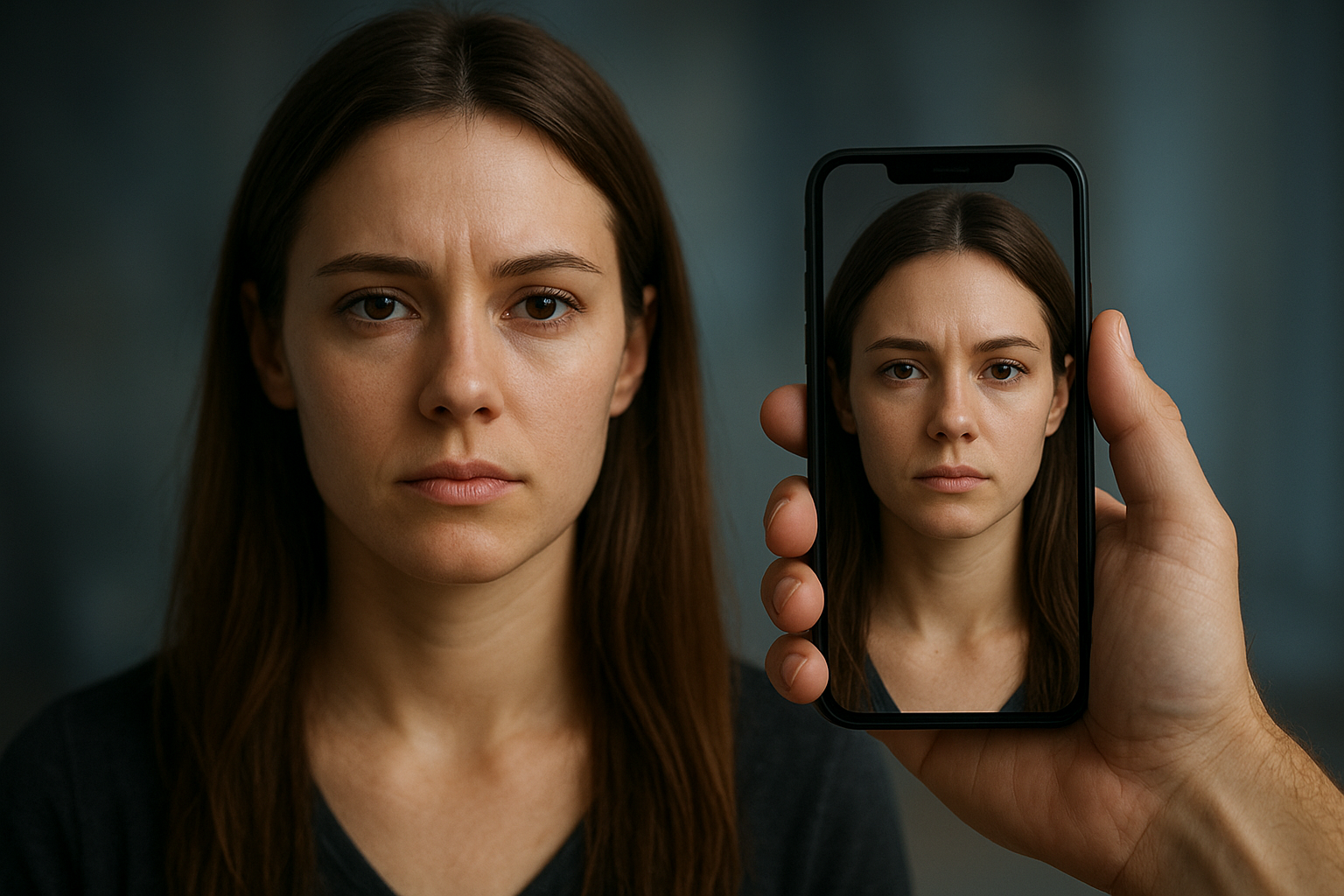
Deepfakes & Trust — New Norms for Synthetic Media Verification
In recent years, the proliferation of deepfakes—highly convincing synthetic media produced by AI algorithms—has raised significant concerns about the future of media trust. As these technologies continue to evolve, they challenge the very fabric of verification norms in both personal and professional contexts. This article explores the implications of deepfakes and outlines new norms and tools being developed for synthetic media verification.
The Rise of Deepfakes
Deepfake technology harnesses powerful machine learning algorithms, particularly Generative Adversarial Networks (GANs), to create hyper-realistic videos and audio sequences. Initially emerging from the realms of academic research, deepfakes have now entered mainstream usage, with applications in entertainment, education, and more ironically, misinformation.
“The algorithms behind deepfakes have become so advanced that even people with minimal technical skills can create them,” remarked Caitlin Curtis, a researcher in technology ethics, in an interview with The New York Times.
The Ethical and Social Implications of Deepfakes
Deepfakes pose unique ethical challenges. They have been misused to defame individuals, disseminate false information, and manipulate public opinion. Beyond individual harm, the broader impact on societal trust in media cannot be overlooked.
- Identity Theft and Privacy Breaches: Deepfakes can be used to impersonate individuals, violating privacy and leading to potential identity fraud.
- Misinformation and Political Manipulation: In political contexts, deepfakes threaten election integrity by fabricating statements or actions of public figures.
- Psychological Effects: The ability to trust one’s own senses and memory can be undermined by increasingly convincing AI-generated media.
Sam Gregory, director of the human rights organization Witness, notes, “We live in an era where seeing is no longer believing. This requires a whole new approach to how information is processed and authenticated” (Witness Press Release).
Technological Solutions for Verification
In light of these challenges, several tech companies and research institutions are developing tools to verify the authenticity of media. The approach involves detecting anomalies that reveal whether a piece of media is synthetic.
- Deepfake Detection Algorithms: Machine learning is being leveraged to identify tell-tale signs of deepfakes, such as unnatural blinking or facial asymmetries. Projects like Facebook’s Deepfake Detection Challenge have propelled the creation of more sophisticated detection systems.
- Blockchain for Authentication: By recording video metadata immutably, blockchain technology provides a way to trace the provenance of media, ensuring its integrity from the moment of creation.
- Watermarking and Fingerprinting: Embedding invisible markers in video and audio content can help authenticate genuine media, similar to digital rights management in music.
Developing New Norms for Synthetic Media Verification
As technology continues to advance, it is imperative to establish norms for the verification of synthetic media. Stakeholders, including governments, tech firms, and civil society, must collaborate to create these frameworks.
- Regulatory Standards: Policies that mandate the disclosure of synthetic media’s origin can be pivotal. The European Union’s General Data Protection Regulation (GDPR) offers a model for privacy that could be extended to synthetic content verification.
- Public Awareness Campaigns: Educating the public on recognizing deepfakes and understanding media verification tools is crucial in combating misinformation.
- Collaborative Efforts: Cross-industry partnerships, like the Partnership on AI, focus on developing ethical guidelines for AI-generated content, promoting responsible use and detection strategies.
A study from The MIT Technology Review suggests that “a unified front is essential in addressing the complex convergence of AI, ethics, and media in the face of deepfake risks” (MIT Technology Review).
Conclusion
The challenges posed by deepfakes to media verification and trust are profound. Addressing these challenges requires a balanced approach encompassing technological innovation, regulatory oversight, and public education. By fostering transparency and accountability, society can mitigate the risks associated with synthetic media while harnessing its potential benefits.
As we progress further into the digital age, maintaining the integrity of information will remain crucial. The adoption of new norms and tools for synthetic media verification is a necessary step towards ensuring that the future of media is both innovative and trustworthy.
Leave a Reply
You must be logged in to post a comment.