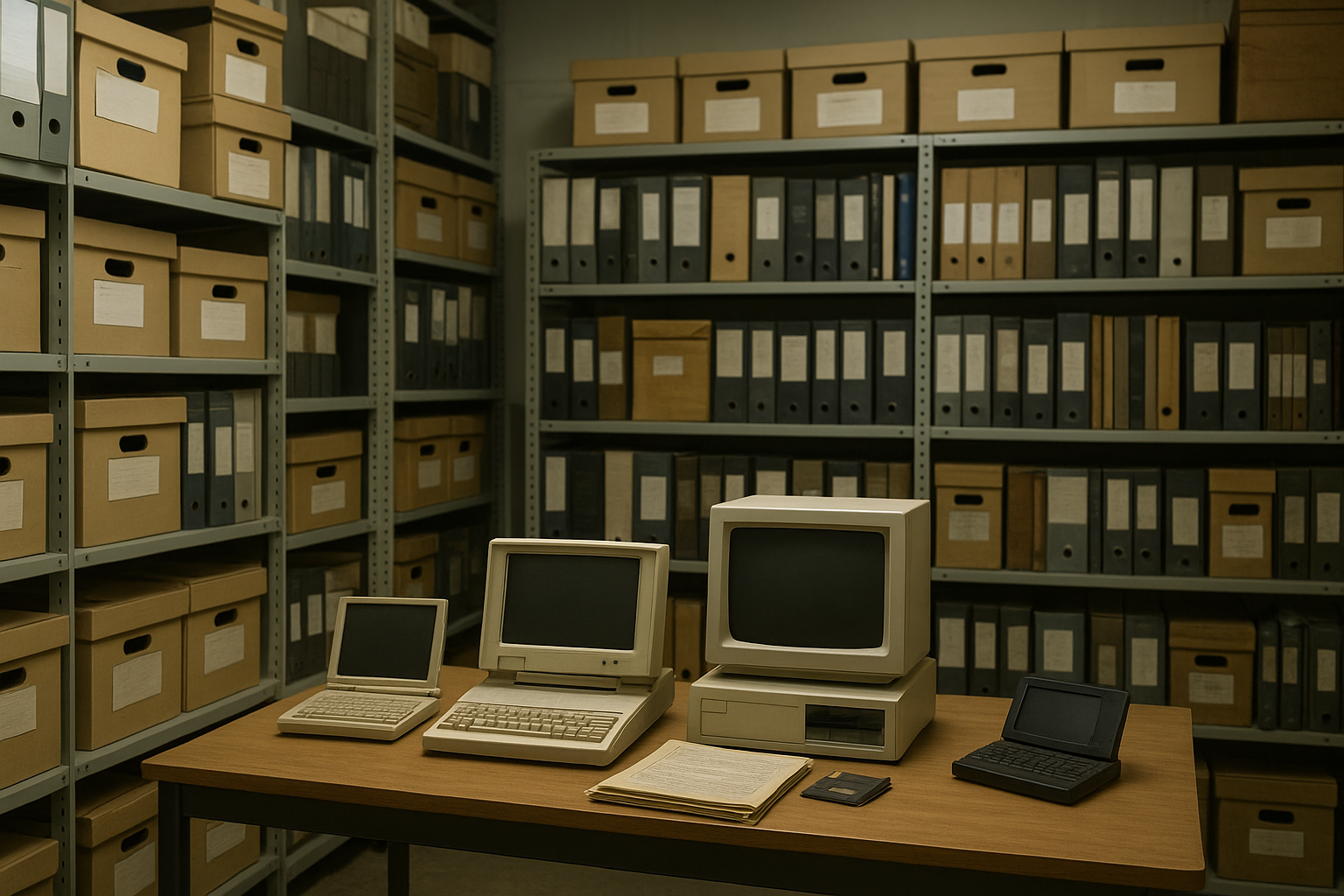
The Archive of Hacks — Documenting Historic Hacks as Cultural Artifacts
As the digital age continues to evolve, the nature of hacking has shifted from niche activity to mainstream cultural phenomenon. Some argue that hacking now resembles modern-day folklore. Each hack that emerges has the potential to become a cultural artifact, reflecting the values, fears, and aspirations of our society. This makes the documentation of these events essential for future generations.
The Notorious Hacks That Made History
Among the myriad of hacking stories, certain incidents stand out for their audacity and impact. From Anonymous to Stuxnet, these hacks have transcended their initial technical boundaries, influencing spheres beyond cybersecurity.
- The Morris Worm (1988): Considered the first major attack on the internet, the Morris Worm infected around 6,000 computers within hours. Its significance lies not only in its disruptive potential but also in its role in propelling discussions around cybersecurity and the need for regulation.
-
Anonymous (2003-present): Known for their slogan “We are Legion,” Anonymous has engaged in a series of high-profile hacktivism campaigns. From targeting the Church of Scientology to supporting the Arab Spring, their activities have cemented their place in modern digital protests.
“We stand for freedom but will not stand for it to be taken away,” an Anonymous member told The Guardian.
- Stuxnet (2010): A game-changer in the world of cyber warfare, Stuxnet targeted programmable logic controllers used in Iran’s nuclear facilities. The incident demonstrated the capability of a cyberattack to cause physical destruction, altering the landscape of global military strategy.
The Importance of Documenting Hacks
Understanding why hacks should be documented involves recognizing their significance as cultural milestones. These events reflect the evolving relationship between technology and society, offering insights into the zeitgeist of their times.
- Technical Innovation: Many hacks demonstrate remarkable technical ingenuity, pushing the boundaries of what is conceivable within the digital realm. By documenting these advancements, we capture the state of technological prowess and creativity present during those times.
- Social Commentary: Hacks often serve as a form of social or political commentary. They draw attention to issues ranging from digital privacy and government surveillance to societal inequality and corporate ethics. As such, they illuminate the climate of societal values and concerns prevalent when they occurred.
- Historical Record: Maintaining a historical record of hacks helps in understanding the evolution of cybersecurity measures. By analyzing past hacks, we can chart advancements in digital protections and learn from previous vulnerabilities.
The Challenges of Preserving Digital Artifacts
While the need for documenting hacks is clear, the process is fraught with challenges. Securing accurate and unbiased information in an ever-changing digital landscape is no easy task. The shadowy nature of many hacking groups presents additional hurdles in verifying details and avoiding the glamorization or demonization of these events.
Moreover, the fast-paced nature of technology means that data preservation can become a race against obsolescence. Just as digital formats can fall into disuse, the platforms that host documentation may also become defunct or suffer from data loss. According to experts at the Library of Congress, protecting digital heritage requires a coordinated effort among institutions, individuals, and communities to ensure sustainability.
Looking to the Future
Efforts are underway to create repositories that preserve the complex narratives of hacks. Initiatives like the Computer History Museum are leading the charge in curating exhibits that archive both the technical and cultural layers of hacking history.
As we advance into an increasingly digital future, the significance of hacking as cultural artifacts will only grow. By documenting these events accurately and thoughtfully, we provide future generations with a lens into our world’s digital transformation.
Ultimately, the archive of hacks becomes more than just a historical record. It serves as a testament to the enduring relationship between humanity and technology, reflecting both our ambitions and our anxieties within the binary cosmos.
Leave a Reply
You must be logged in to post a comment.