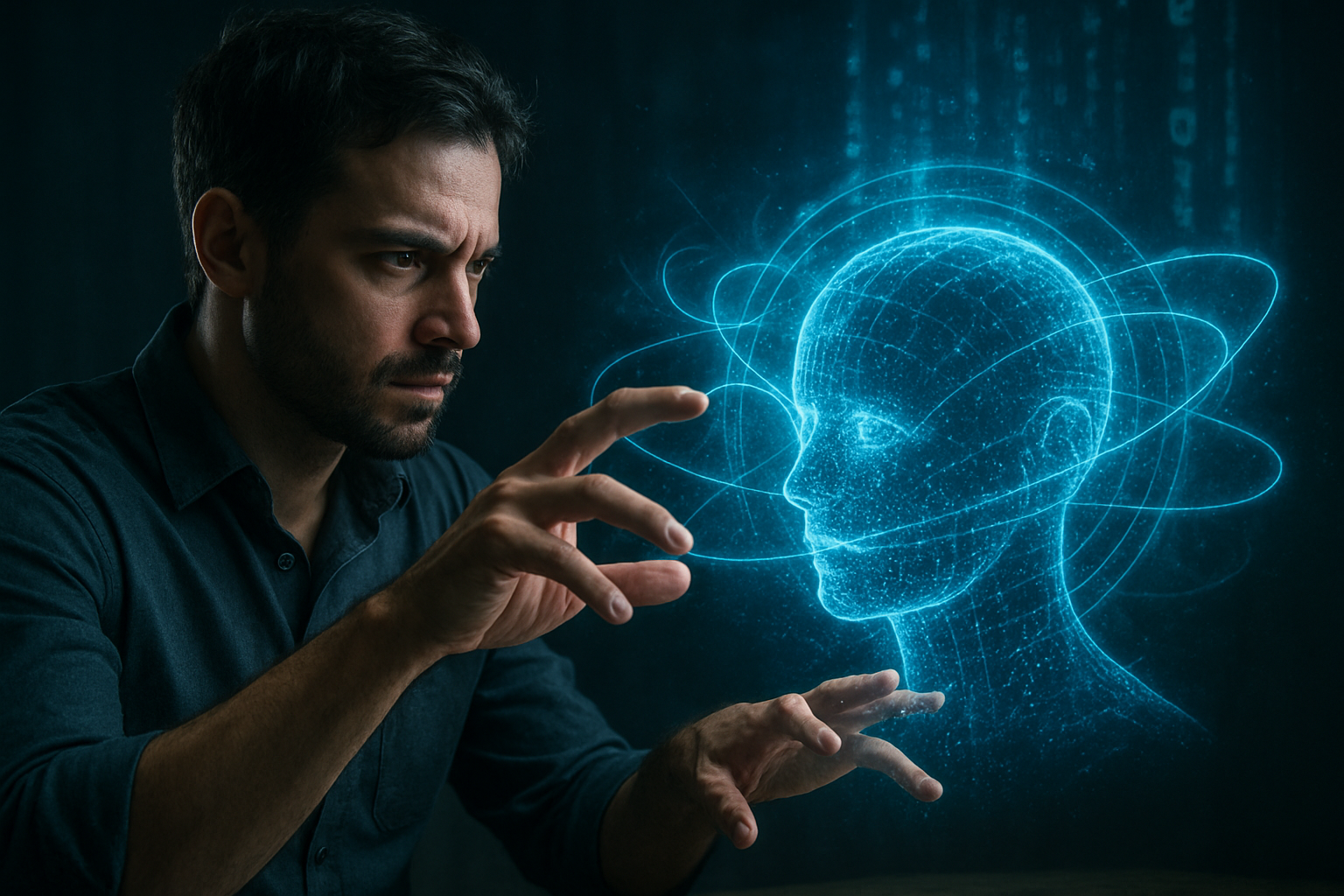
Temporal Hacking: Editing Memory and Destiny
In recent years, the concept of Temporal Hacking has emerged as a fascinating intersection between technology, neuroscience, and philosophy. This burgeoning field explores how editing memories can reshape not just personal identity but potentially alter one’s destiny. From scientific breakthroughs to ethical considerations, temporal hacking opens doors to both thrilling possibilities and profound questions.
The Science of Memory
Memory is a cornerstone of human identity. It is not merely a passive repository of past events but a dynamic system influencing current perception and future decisions. As Oliver Sacks explained,
“We have, each of us, a life-story, an inner narrative whose continuity, whose sense, is our lives.”
(Oliver Sacks).
Recent advances in neuroscience have enhanced our understanding of memory’s plasticity. Pioneering studies by researchers like Eric Kandel, who was awarded the Nobel Prize in Physiology or Medicine in 2000, have demonstrated how synaptic connections in the brain alter with every recalled or forgotten memory.
Technological Advances in Memory Editing
The realm of technology has not lagged behind in exploring memory’s mutable nature. Techniques such as optogenetics, which involves using light to control cells within living tissue, have created new pathways for potentially editing memories. As MIT neuroscientist Steve Ramirez noted,
“The fact that we can even begin to manipulate very specific aspect memories without affecting the integrity of the past is very promising.”
- CRISPR: The genetic editing tool has revolutionized the ability to alter DNA and is being explored for potential applications in memory enhancement.
- Neural Implants: Devices implanted in the brain that can influence neuronal activity. Researchers are investigating their use for enhancing or suppressing specific memories.
Philosophical and Ethical Considerations
The power to alter memory introduces profound philosophical and ethical dilemmas. If our memories shape who we are, what are the implications of altering them? Philosophers like John Locke have long debated the nature of identity. Locke famously stated,
“Our identity is tied inherently to memory.”
(Essays Concerning Human Understanding).
Moreover, the ethical concerns are formidable:
- Consent: Editing someone’s memory without their express consent touches upon fundamental human rights and autonomy.
- Authenticity: Would memories that have been tampered with retain the same emotional and moral weight as those untouched?
- Unequal Access: As with any technological advancement, there is the concern of unequal access, leading to potential societal disparities.
The Potential to Reshape Destiny
On a more optimistic note, editing memories could have transformative positive impacts. Consider individuals suffering from PTSD—temporal hacking could alleviate symptoms by altering traumatic memories. In enhancing positive memories, we might foster resilience and motivation, effectively shaping one’s destiny towards improved well-being.
From a futurist perspective, some envision a world wherein memories could be selectively shared or experienced digitally, allowing for unprecedented empathy and understanding between individuals. Such technologies could revolutionize education, interpersonal relationships, and even diplomacy.
The Road Ahead
As research continues and technology evolves, the implications of temporal hacking become ever more crucial to dissect and understand. It represents a frontier that is not just scientific but deeply human. Are we rewriting the very essence of what it means to be ‘us’? This question, and others akin to it, will need addressing as we navigate this brave new world.
In conclusion, temporal hacking stands poised at the edge of possibility and peril—a beckoning of human ingenuity that invites both daring exploration and cautious contemplation. As we advance further towards this horizon, it remains imperative to tread with care, guided by both scientific insight and ethical integrity.
Leave a Reply
You must be logged in to post a comment.