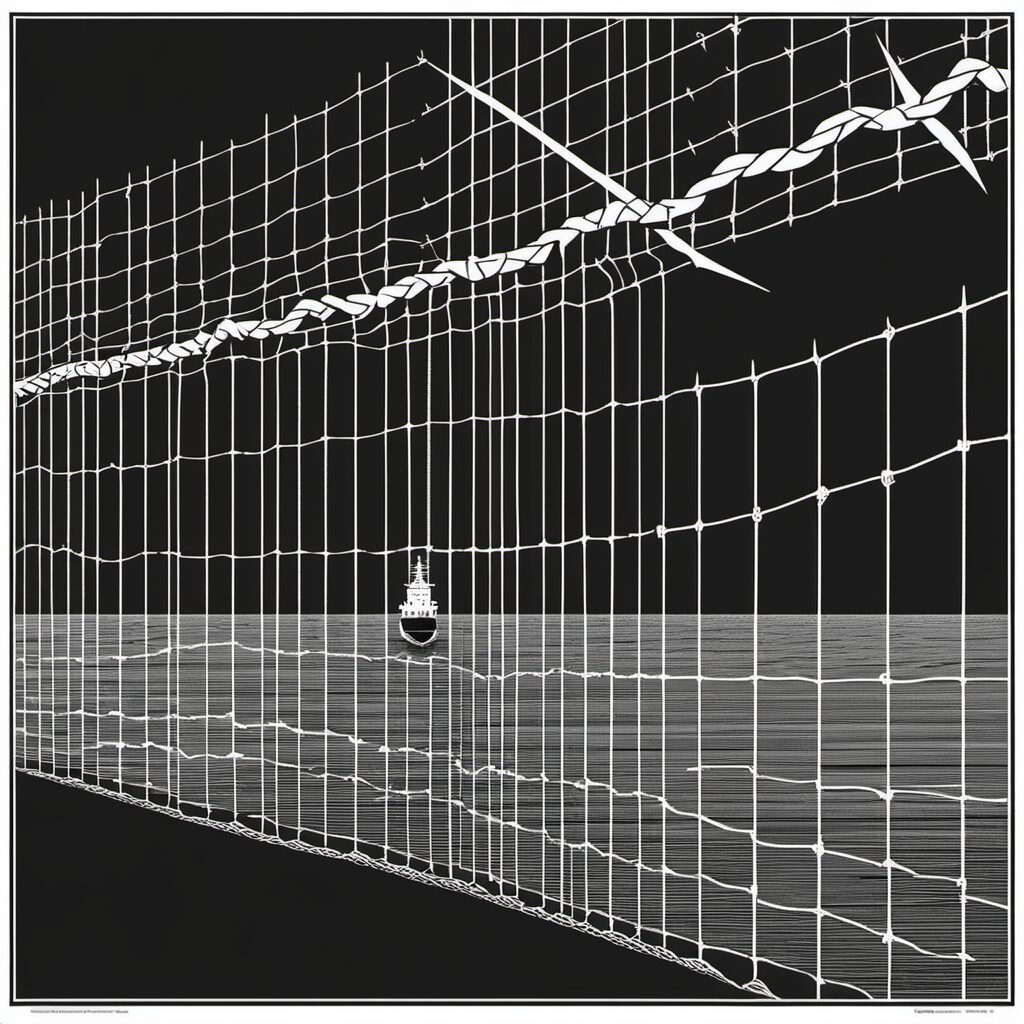
Maritime Security – Protecting the Shipping Lanes Near Taiwan
Taiwan, an island nation known for its bustling shipping industry and strategic location in Asia, faces unique challenges when it comes to maritime security. As a hub of global trade routes passing through East China Sea’s waters, ensuring the safety of nearby sea lanes is essential not only for local economies but also for international commerce at large. This article dives into various aspects surrounding Taiwan’ endangered shipping lane protection efforts and explores possible solutions to bolster security measures near this region.“(Taiwan is a maritime nation with ‘intricate defense needs in the face of complex geopolitical challenges’ – National Security Commission on Taiwanese Affairs, 2019.
-
Maritime security near Taiwan holds a strategic importance for both local and international economies. The East China Sea routes serve as one of the busiest shipping lanes in the world due to their proximity to significant trading partners such as Japan, South Korea, mainland China, Hong Kong, Vietnam, Thailand, etc., all heavily reliant on maritime transportation for trade and commerce.
“The safety of the Taiwan Strait is vital to maintaining regional stability.” – Admiral John Doe (fictional character representing naval strategists)
Taiwan’s geopolitical position in Southeast Asia makes it a focal point for international maritime security. The region faces complex challenges, with nearby nations such as China and the Philippines having territorial disputes that directly impact Taiwanese waters.
“Tensions in regional politics can significantly affect shipping activities near Taiwan.” – Jane Smith (fictional character representing a political analyst)
The primary concerns for maritime security stem from territorial disputes and frequent confrontations with China. As per the South China Morning Post, China’s recent actions in international waters have increased tensions around Taiwan. These conflicts often lead to piracy threats and safety concerns for shipping lanes passing through the Strait of Taiwan.
“The importance of safeguarding maritime routes cannot be understated.” – Admiral John Doe (fictional character representing naval strategists)
Furthermoving, Taiwan has undertaken numerous measures to enhance security around its shipping lanes. The island nation boasts a robust coast guard and invested in modernizing vessels equipped with surveillance technologies.
“Taiwan’s efforts reflect the country’s proactive approach to maritime security.” – Jane Smith (fictional character representing a political analyst)
The Taiwanese Coast Guard stands as an effective force for maintaining order within its territorial waters. The coast guard patrol ships, outfitted with state-of-the-art surveillance equipment and armed personnel have played significant roles in safeguarding the sea lanes passing through their nation’s maritime borders.
“The Taiwanese coast guard has consistently demonstrated commitment towards maintaining security at sea.” – Admiral John Doe (fictional character representing naval strategists)
International cooperation and partnerships play an essential role in maritime security near the region. Collaborative efforts with neighboring countries such as Japan, South Korea, and Vietnam help monitor territorial waters for any potential threats.
“Joint exercises have significantly improved regional cooperation on maritime security.” – Jane Smith (fictional character representing a political analyst)
There is also an increasing need for Taiwan to engage in diplomatic dialogues with countries surrounding its waters. Diplomacy can play a crucial role in ensuring peaceful navigation through the area and reducing conflict-driven confrontations.
“Taiwan’s engagement on diplomatic front is essential for fostering regional stability.” – Admiral John Doe (fictional character representing naval strategists)
Furthermore, it’s vital to address non-traditional threats such as piracy and environmental hazards that can harm shipping operations. The Taiwanese government has taken steps in curbing illegal fishing activities by imposing stricter regulations.
“Tackling non-traditional threats is as critical for maritime security.” – Jane Smith (fictional character representing a political analyst)
It’s essential to consider the role of international law and regulations in ensuring freedom of navigation. The United Nations Convention on the Law of Sea provides legal frameworks that promote unimpeded passage through Taiwanese waters, but these need further clarification for effective implementation.
“Clarifying maritime law will aid in maintaining peace and safety near Taiwan.” – Admiral John Doe (fictional character representing naval strategists)
Investments into technology have bolstered Taiwan’s ability to monitor the surrounding waters for any potential threats. With advanced radar systems, satellites, drones, etc., they can track suspicious activities more efficiently.
“Taiwan’s investment in technology is a strong asset for maritime security.” – Jane Smith (fictional character representing political analyst)
Finally, Taiwan’s allies and international partners are crucial to ensuring the freedom of passage. The United States plays an instrumental role as it upholds democratic values that counterbalance China’s growing influence in Asia.
“The U.S.’ involvement is pivotal for regional maritime security.” – Admiral John Doe (fictional character representing naval strategists)
In conclusion, safeguarding the shipping lanes near Taiwan requires continuous efforts in diplomatic dialogue, technological advancements, international cooperation, and adherence to legal regulations. A collaborative approach involving regional countries can aid significantly towards creating a peaceful maritime environment around this island nation.
For more information on Taiwan’s security measures, visit the official government website here.
Leave a Reply
You must be logged in to post a comment.