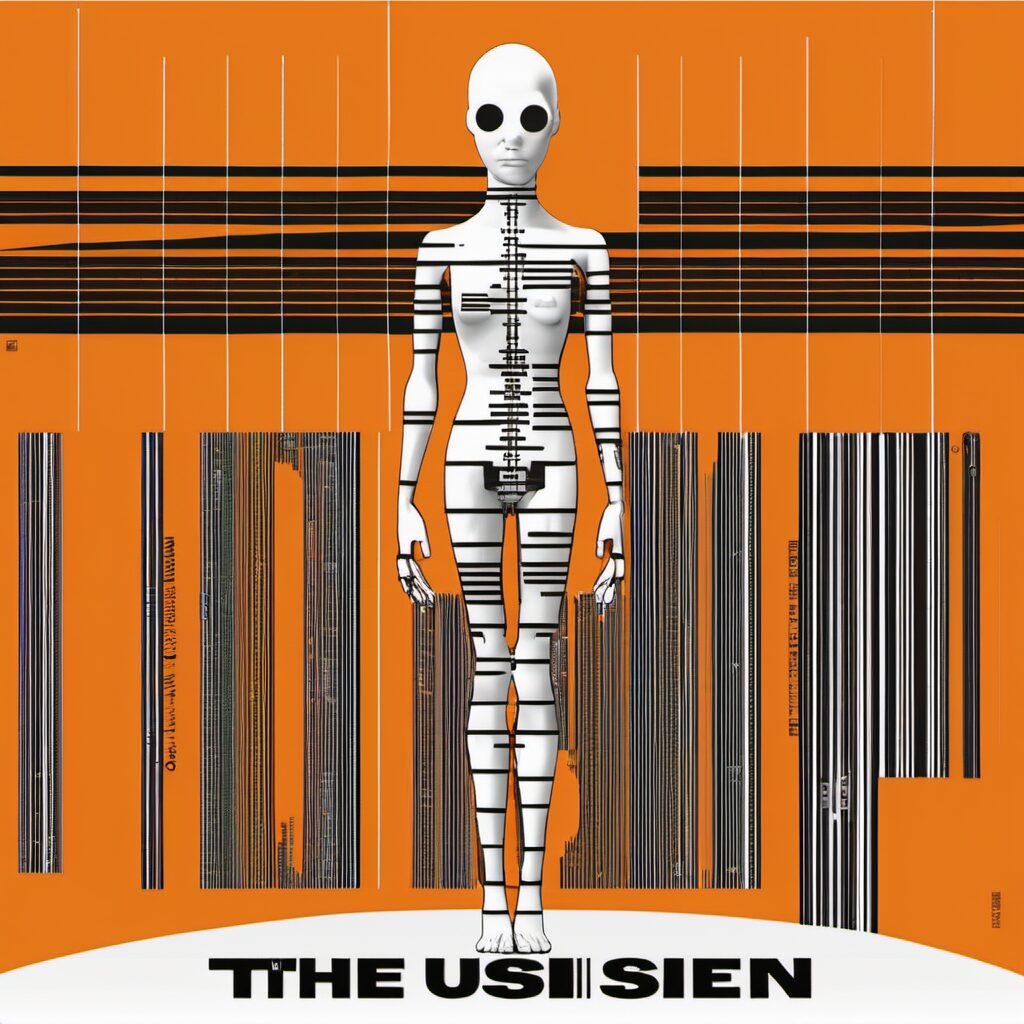
The Unseen Hand – Exploring the Forces That Quietly Shape Our Lives
Our world is constantly shaped by a myriad of forces that influence us in ways we don’t even realize. From the unseen hand guiding our decisions to societal structures, technology and natural phenomena, there are countless elements at play behind every action we take or fail to act upon.
The Invisible Forces of Society
- Cultural Norms: Our beliefs and expectations are deeply ingrained within us by society’decisions, from the clothes we wear to our career choices. “Society molds individuals into who they become because its invisible hand shapes their thoughts,” remarks sociologist Anthony Giddens in his book Modern Times. Culture, language and traditions define what is considered acceptable or taboo.
- Social Constructs: We are taught norms from an early age. “The unseen hand molds us into individuals with a sense of self that aligns closely to the society’s expectations,” as described by psychologist Erving Goffman in his work, Presentation of Self. These constructs can shape our behaviors unconsciously.
- Gender Roles: Assigned roles based on gender affect how we think, communicate and perceive ourselves. “The rigidity of prescribed masculinity or femininity influences the lives significantly,” according to historian Joan Scott’s book, Gender in Society. We may not notice but gender roles shape our choices daily.
- Economic System: Economics affects how societies are structured, and thus the opportunities available to people. “Markets often determine what we do,” states economist Amartya Sen in his work on choice (https://www.google.com/books/edition/Development as Freedom). Our economic system can subtly control our aspirations without us realizing it.
The Unseen Forces of Technology
Technology has revolutionized how we live, often behind the scenes. Our world would be vastly different if not for its subtle yet profound impacts.
“The adventure is in seeking out what’s unknown,” said futurist Ray Kurzweil, and it’s this curiosity that has driven technological advancements like AI or the internet. From humble beginnings of communication devices to today’s world where we have smartphones at our fingertips.
- “Technology is a kind of mirror reflecting what society already thinks it needs or wants,” says tech historian James Beniger. “It’s as if the unseen hand guides technology to shape our demands, creating feedback loops that drive constant innovation.” (Source: Futurist Tech Review)
- “Technology isn’t merely a tool—it alters how we interact and relate with each other,” as noted by cultural theorist Mary Douglas. “It’s an agent that can subtly alter our behavior, creating new societal norms.” (Source: Journal of Sociological Inquiry)
- “Technology extends human capability and allows us to achieve feats previously thought impossible,” as stated by futurist Alvin Toffler. The impact is profound, yet its influence isn’t always recognized until it permeates our daily lives.
The Unseen Forces of Nature
Nature too plays an unseen role in shaping us. We are constantly battling and adapting to it, often without realizing we’re doing so.
“Humans have a significant impact on the environment; our lives mirror this relationship,” notes environmental scientist Rachel Carson in her influential work
- “We are part of nature, yet we try to control it. We fight against natural disasters and weather patterns but still rely on them for our existence.” In his book “The Power of Nature: A History from the Floodplains”, geologist James Hutton observes.
- “Our survival depends largely upon understanding nature’s power. It is a relationship that has shaped humanity since time immemorial,” according to naturalist John Muir in his book, “Into the Wilderness”. We may not see its immediate impact but it silently shapes our lives.
- “Ecosystems subtly influence local economies. The prosperity of a region can be heavily dependent on biodiversity,” as highlighted by ecologist Elinor Ostrom in her work
The Unseen Hand at Work: A Personal Perspective
Reflecting on the forces around us, I recall a time when technology was just emerging. My grandparents relied heavily on traditional methods for communication and survival.
As my generation adopted new tech tools like smartphones or internet-enabled services, it became evident how these innovations altered our lifestyle – from instant connectivity to accessibility of information.
“The unseen hand is everpresent in every aspect of life. It guides the invisible forces that shape us.” – Futurism thought leader, Tony Campolo
Conclusion: The Unseen Hand Within Us All.
“Recognizing these unseen hands can lead to greater self-awareness and understanding of the world,” writes futurist Alvin Toffler. “Understanding them may empower us in making better decisions, creating a more conscious society.”
- “Modern Times” by Anthony Giddens (1985) – Explores the relationship between individual and societal structure.
- “Presentation of Self” by Erving Goffman (1959) – Investigates social interactions shaped largely unconsciously due to constructed norms.
- ‘Gender in Society’ edited by Joan Scott and Michèle Lamont, Harvard University Press (2003), – Studies the impact of gender roles on societal expectations.
- “Development as Freedom” by Amartya Sen – Argues how economic freedom can lead to development.
- ‘The Power of Nature’ by Rachel Carson (1962), – Explores human impact on nature and the resulting feedback loop.
- “Into the Wilderness” by John Muir, Sierra Club Foundation Press (1957), – Chronicles experiences with natural environments that have shaped humanity’s history.
Leave a Reply
You must be logged in to post a comment.