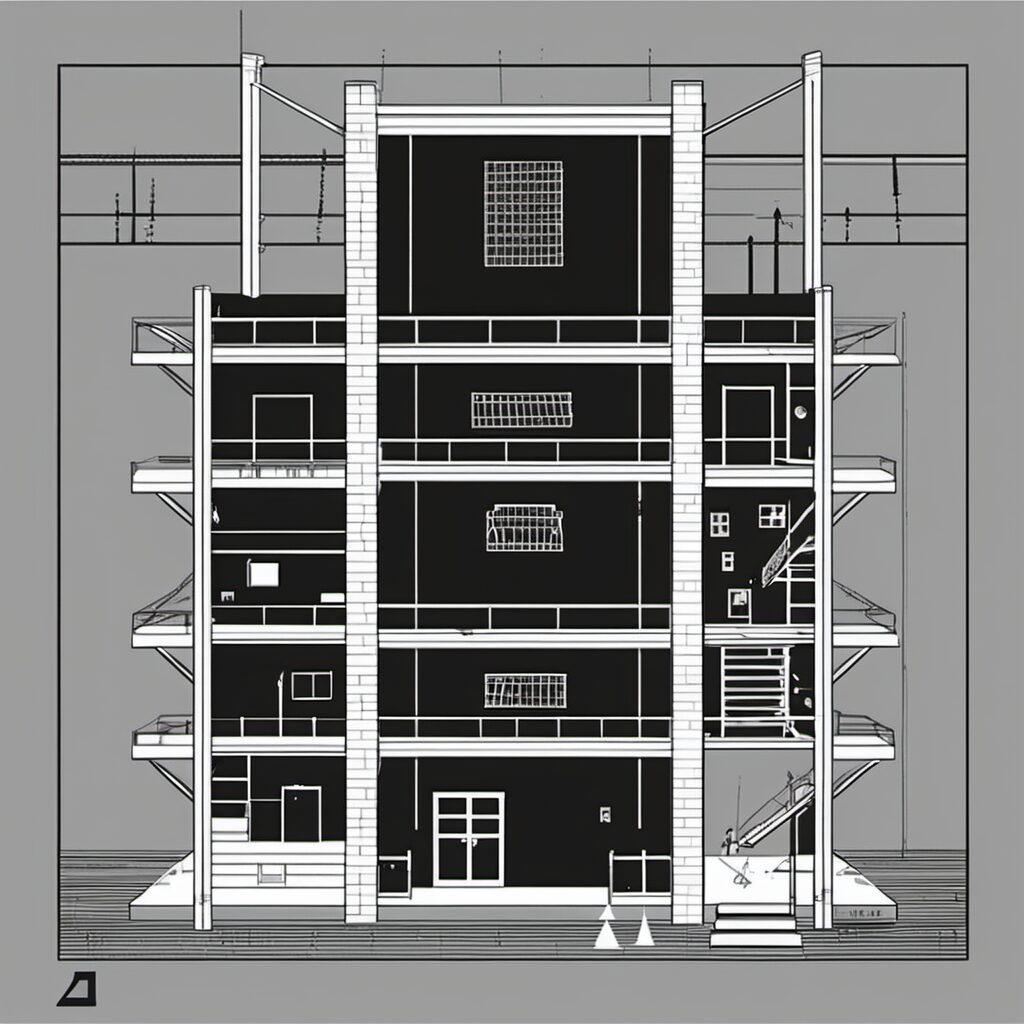
The Loft Life – A History of the Artist Squat as a Cultural Incubator
In many cities across Europe and North America, squatting in an abandoned or unused building has been common for decades. These “lofts” have served not only as places to live but also as cultural hubs where creativity flourished amidst the concrete jungles of urban decay.
“The loft lifestyle was about breaking away from traditional norms and embracing a more artistic, communal living approach.” – Anonymous Artist
Origins of Loft Living in Europe (1960s-70s)
The origins of loft living can be traced back to post-War Berlin, where artists sought freedom and community within the city’s ruins. Displaced by urban decay following World War II, European cities like London, Paris, Munich, and New York became havens for creative souls who wanted more than just a roof over their heads.
- Post-war Rebirth: After the war, Europe underwent massive reconstruction. In Germany, Berlin was no exception and experienced rapid regrowth leading to many artists seeking new beginnings in a transformed landscape – an atmosphere that encouraged unconventional living spaces.
- Gentrification: As cities grew wealthier, large areas of the city became priced out for affordable housing. Artists found themselves pushed to seek alternative dwelling solutions – often in derelict structures left behind from post-war efforts that were ripe with empty space and creative potential.
- Artistic Transcendence: These spaces provided the perfect canvas for artists, who saw beyond decayed walls to transform them into vibrant expressions of cultural significance – making art not just a profession but an act of reclaiming space and identity. Squats became more than mere living quarters; they were statements.
- A Cultural Shift: As artists settled in these buildings, the squats evolved into central hubs for networking and exchange – places where ideas thrived beyond traditional gallery walls.
“The loft lifestyle was about breaking away from traditional norms.” – Artist Collective
From Berlin to New York (1970-80s)
What began as a European phenomenon quickly spread across the Atlantic, finding its way into American cities with booming art scenes like New York and Paris.
- A Rise in Abandoned Warehouse Spaces: Post-industrial city areas such as SoHo provided an abundance of warehousing opportunities that artists eagerly occupied, using these spaces to host exhibitions and artistic performances.
- Cultural Crossroads: The Loft Culture blended elements from both European bohemianism and American capitalist-driven galleries. As lofts became more mainstreamed, they started attracting wealthy collectors alongside traditional art patrons – leading to a complex mix of community members.
- Cultural Melting Pot: With the influx of different cultures and backgrounds within these spaces – it created an environment that was as diverse in thought as New York itself. Despite financial motivations, many squatters found a sense of community with those they shared their lives alongside.
“The loft lifestyle gave birth to some iconic art movements.” – Art Historian
Impact on Culture (1970-80s)
Artist squats had a profound influence not just locally, but also across the globe. As they became cultural incubators of sorts:
- Emerging Art Movements: They facilitated movements like punk and street art as young artists sought to express themselves freely in a society that stifled their voices.
- Innovation & Experimentation: Free from the constraints of conventional galleries, these lofts became hotbeds for innovative experimentations – where new ideas were welcomed and explored without restraint. Grunge music began to form in just such places.
- Artistic Collaboration: A sense of solidarity fostered the exchange of artworks, techniques, methods – often leading to collaborative works that challenged societal norms and established conventions.
“Loft living became synonymous with progressive cultural expression.” – Artist Ally
The New York Experiment (1970-80)
In the 1970s, loft spaces in SoHo and East Village transformed into iconic cultural hotspots. Not just for artists but also as social centers where people could commune.
- Artistic Collaboration: These areas became places of connection, collaboration and unrestrained creativity – with music festivals and impromptu art shows becoming commonplace. A unique energy pervaded the neighborhoods where loft spaces were located.
- Mentorship & Community: The vibrant communities built in these spaces provided mentors for up-and-coming artists and a sense of belonging that went beyond just finding shelter – shaping generations to come with diverse perspectives on creativity.
- Economic Impacts: Artists brought vibrancy, thus invigorating the local economy. However, as property values soared – these spaces were increasingly under threat from real estate interests seeking to transform culture into capitalism’s commodities.
Impact on Culture in Europe (1980-2000)
In cities like London, Paris and Berlin – loft cultures had a significant impact as well. As the term ‘squatting’ itself became synonymous with living artfully.
- Artistic Integrity: Artists within these spaces focused on sustainability, often utilizing materials at hand to create profound works that reflected societal narratives – from AIDS awareness in New York’s Lower East Side lofts to the political protest of London’s Notting Hill Carnival Loft.
- Cultural Resilience: Squats served as a haven for artists during politically tumultuous times, helping them maintain creative output despite social unrest and economic depression. Their influence remained undeniably powerful in these areas that were often overlooked by mainstream art worlds.
- Economic Resilience: Despite their precarious nature, loft spaces thrived as cultural powerhouses within the cities they occupied. These communities not only supported creativity but also provided economic sustenance to many of its members and supporters.
“In Berlin we were pioneers.” – Ex-Squatter
Legal Confrontation (1980s Onward)
As city governments began to regulate squatting, many artist communities faced the threat of eviction. This led artists and advocates alike into a fight for rights within which they had been traditionally denied.
- Legal Battles: Struggling against increasingly strict laws, some artist collectives fought back – fighting to retain their rightful places of work and inspiration. However, the battle often resulted in evictions or relocation.
- Cultural Resistance: In defiance of these legal pressures – artists continued creating art within squats wherever possible but also sought to establish rights through protests and advocacy – resulting into significant cultural movements around urbanism, gentrification, housing policy.
The Legacy Lives On
While many squats have been displaced or repurposed for commercial use – their legacy remains in the art that they birthed and communities formed within. The cultural impact of lofts continues to inspire generations, even as the landmarks themselves often fall prey to gentrification.
“I miss our Loft – it was home.” – Ex-Squatter
- Lasting Impact: Artists’ work that began in these cramped, makeshift spaces continues to inspire and influence artistic communities around the world. These historic cultural sites remind us of times when creativity thrived within walls not designated for such purposes.
- Movements Inspired: Contemporary movements continue to draw upon their experiences, often echoing themes similar to those found in loft-era artworks. As communities today face challenges akin to historic times – the influence of artist squats on social justice and housing remain relevant.
- A Place for Reflection: Though many iconic Lofts have been lost, their stories serve as powerful reminders that art thrives in adversity – echoing through generations past to the modern age. Their tales stand testament to a time when artists dared defy convention.
Read more about The Loft Life on Wikipedia
The Guardian – ‘Loft life is it endangered?’
This piece explores the precarious nature of artist squats and how they’ve shaped artistic history.
Leave a Reply
You must be logged in to post a comment.