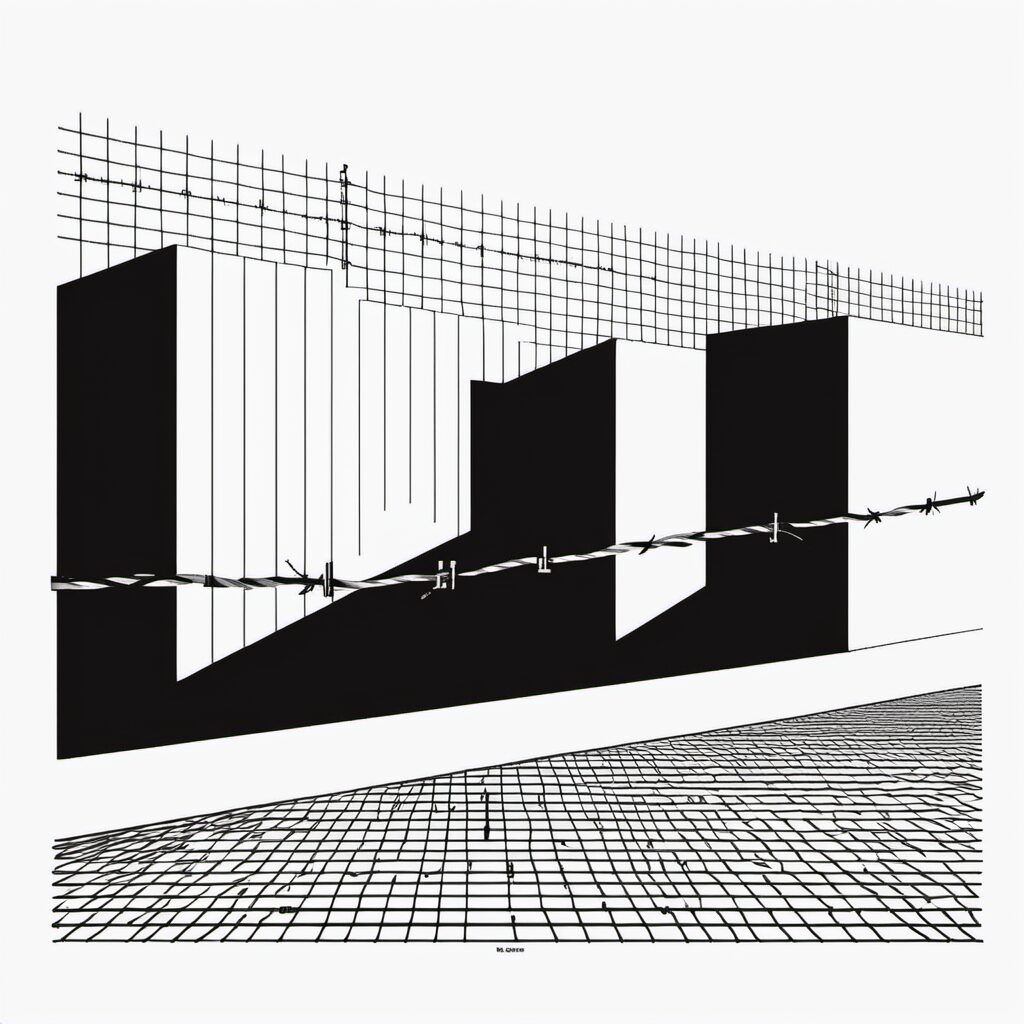
The Architecture of Shadows – Using Light to Highlight Hidden Aspects
Architectural design is not only about creating visually appealing spaces, but also understanding and utilizing different elements like shadows and light to create depth in a building. By using architectural shadows creatively, one can reveal hidden aspects of the structure that are often overlooked or unseen by passersby while enhancing its overall charm and mystique. Shadows cast by structures contribute significantly not just as an element of form but also functionally to improve safety in public spaces such as streets. This article explores how architects can integrate shadowing strategies into their designs, using light manipulation techniques that draw attention towards underappreciated parts while providing visual interest and depth – effectively transforming our perception of space around us through creative play with shadows and highlights in architecture design.
“The interplay between light and shadow is the heartbeat of architectural art.” – Charles Rennie Mackintosh
As a renowned artist, designer, and critic once said: “Lights give form to buildings; shadows add life,” emphasizing how crucial it’s essential for an architecture design not just about creating visually appealing spaces but also understanding the role of shadowing elements.
- Understanding Shadow as a Design Element
- Using Shadows to Highlight Underappreciated Aspects in Public Spaces
- Playful Shadows and Visual Interest
Shadows are inherently part of our daily life, and yet they often remain unnoticed until an architect intentionally integrates them into design – turning overlooked aspects into highlights. When designed thoughtfully, shadows can add texture, form and depth to the built environment by creating intriguing visual patterns that enhance or change perception of a space.
“Architecture should take advantage not only from daylight but also night light.” – Tadao Andō
Thrstatic shadows can be used as an effective way of navigating public spaces, guiding people towards less-frequently utilized paths and areas. It adds a layer of safety by reducing potential crime zones through obscuring blind spots while creating interest.
“I have never designed with only the eye in mind – I design for those who feel as well.” – David Chipperfield
By intentionally manipulating shadows, architects can create play areas or paths of interest to draw attention. This may include interactive shadowy projections on walls as a means for visual entertainment.
“I like it when buildings change with time.” – Daniel Libeskind
Here are some real-life examples and photographs showcasing the use of shadows in architecture:
1. 
“Shadowing is as important as light.” – Zaha Hadid
2.
Photographs by photographer Steven Sprules;, who specializes in capturing buildings’ shadows. Here is his work showcasing different aspects of light manipulation: [Link-to-photographs].
3. A building designed with playfulness to highlight its hidden nooks and crannies during the daytime – an unconventional use of shadowing for visual pleasure rather than just functionality, as seen here in his work at the Whitney Museum of American Art.
“The interplay between light and shadow is the heartbeat of architectural art.” – Charles Rennie Mackintosh.
4. An urban design project that uses shadows for safety – a network system called Shadow Canopy, created by Dutch architecture firm Mecanoo, providing safe walkways through interlocking shadow patterns in busy city areas: [Link-to-urban-design].
An innovative project ‘Phylactics’ by architect duo
Architect
A study discusses how the strategic use of shadows can improve safety and navigation within public spaces, particularly concerning sightlines at night. A well-lit pathway created by a shadow cast from an overhang or lamp post helps people to discern their surroundings better: [Link-to-study].
“The art is to make architecture as a living organism.” – Tadao Andō
Leave a Reply
You must be logged in to post a comment.