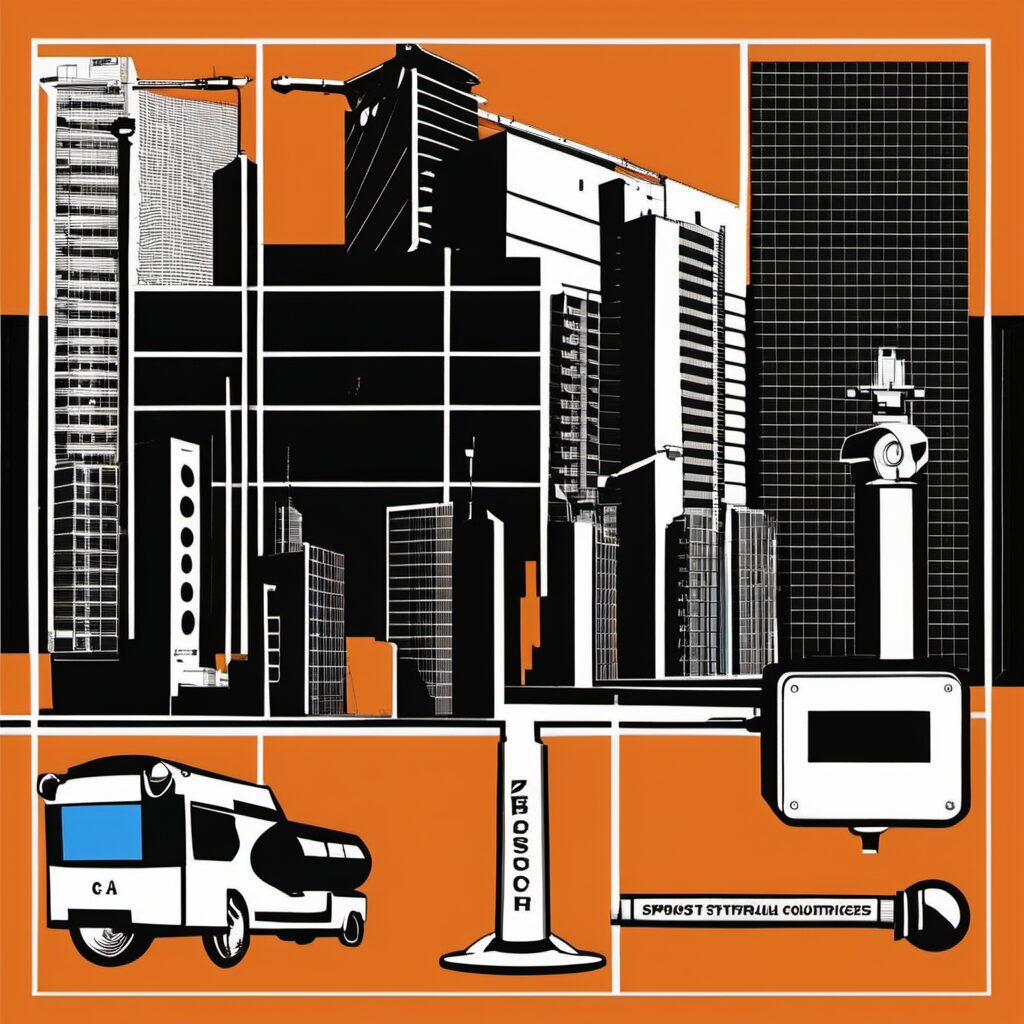
The Ghost City – Exploring the “Non-Places” of the Modern World
“Invisible cities are not only present in our minds, but they also exist around us.” – Gaston Bachelard. These ghostly urban spaces reflect a world where modernity seems to have lost its soul and become something more mechanical. The term ‘non-place’ was coined by anthropologist Marc Augé as places that don’t hold any significant social or cultural connections, often found in the vast landscapes of our globalized cities.
What are Non-Places?
Non-places refer to spaces where people seemingly live without strong personal and local attachments. They lack a sense of community, identity, or meaningful interactions – the type that give cities their unique character.
- “Our modern landscape consists mostly of non-places.” – Marc Augé’s observation reflecting our current urban reality where places like shopping malls, airports or even certain neighborhoods serve as social dead zones.
The Rise of Non-Places in the Modern World
Globalization and urban sprawl have led to an increase in non-place experiences, with mega cities like Tokyo or Los Angeles being prime examples.
- “The city is dead where we don’t see the faces of those around us.” – This quote by Edward Soja encapsulates how non-personal interactions dominate modern life, often in these areas. It points to an unsettling feeling that pervades urban experiences.
- “These are places where time and space seem disjointed.”
The Psychology of Non-Places
Non-places can evoke feelings of isolation, alienation or even anxiety due to their lack of human connection and purpose.
- “In non-places we are all alone in our solitude.” – A sentiment shared by many who have experienced these environments firsthand; the sense of anonymity can be disconcerting.
- “The uncanny silence is a palpable reminder that no one belongs here anymore.”
Understanding Non-Places through the Lens of Psychology and Sociology
Researchers delve into non-place psychology to understand our discomfort in such spaces. It’s a topic explored by authors like Marc Augé, who emphasized that these environments can leave people feeling ‘spatially homeless.’ These are places where the concept of ‘home’ loses its meaning.
- “Non-places reflect our fears and anxieties about modernity.”
The Ghost City Phenomenon – Tokyo as a Case Study
“There is nothing to remember here, except the constant rush of people.” – An anonymous resident in Tokyo reflecting on their experience living within non-places.
- “Tokyo’s shopping districts are not just locations; they represent a disconnection from our human essence.”
- “The city’s heart seems to be in places that exist only on paper, like the map of Tokyo Metro Line 2.”
Non-Places and Digital Connectivity – A Paradoxical Relationship
Even as technology brings us closer together, non-places highlight how physical disconnection persists despite digital advancements.
- “Online presence does not equal social existence.”
- “The Internet is an illusion of connection, a mirage in the desert of non-places.” – A personal reflection on digital life.
Can We Reclaim Our Connections?
“We are social beings; we need touch, interaction and communal experiences to thrive.” – Maya Angelou’s call for connection.
This article invites readers to explore ways of creating meaningful interactions within the non-place urban landscape. From community gardens in cities like Detroit or local art initiatives, we can reclaim a sense of belonging and identity:
Leave a Reply
You must be logged in to post a comment.