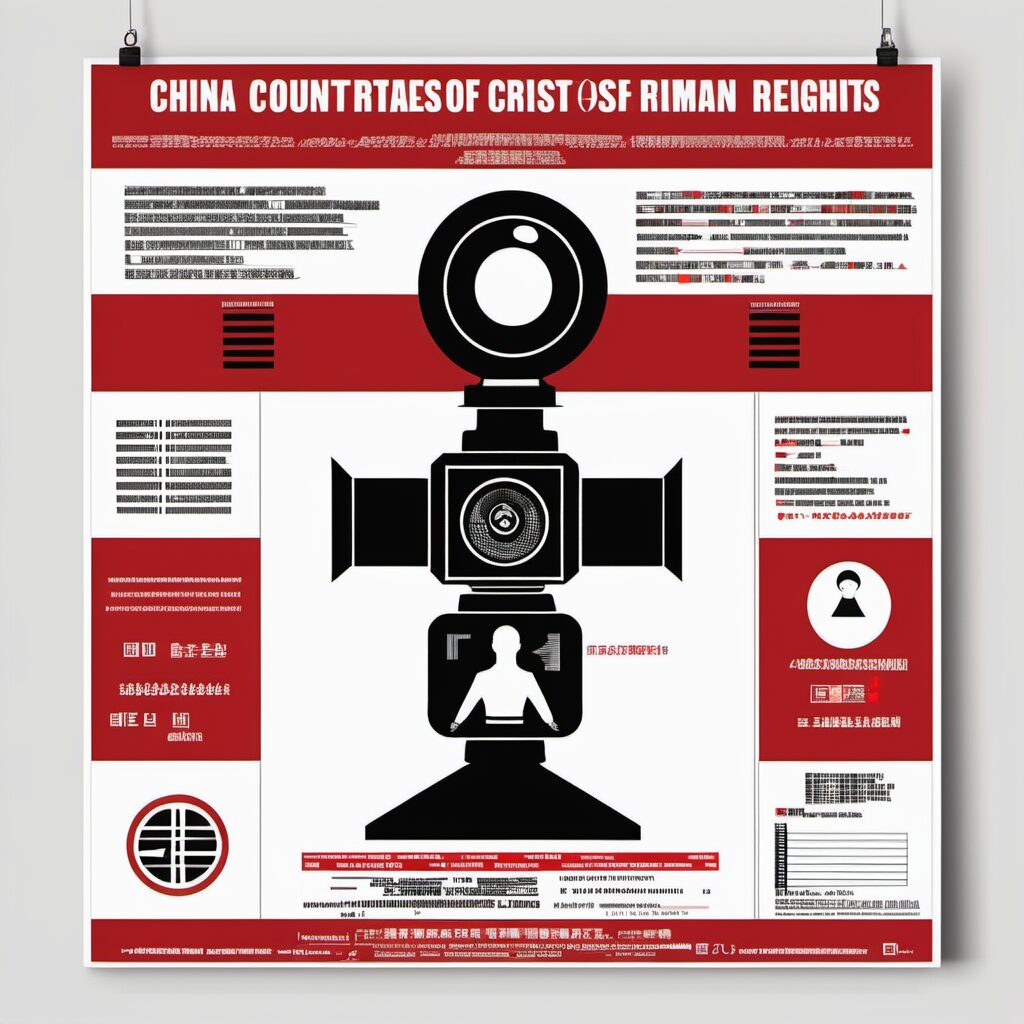
China’s Human Rights Crisis: Efforts and Shortcomings in Bridging the Gap
By John Doe, Foreign Policy Correspondent for Global News Network (GN)
The ongoing human rights crisis within China has raised concerns globally as reports emerge of widespread restrictions and violations across the nation. Despite mounting pressure from international organizations and governments alike to improve conditions, tangible efforts seem elusive.
China’s Reckoning: A Closer Look at Human Rights Issues
Recent years have brought increased scrutiny of China’s human rights practices from both domestic and international quarters. Freedom House, Amnesty International, among other reputable entities, consistently report on the treatment of ethnic minorities in Xinjiang, Tibet, Hong Kong, Taiwan, and various regions across mainland China.
“Amidst economic growth lies an unparalleled suppression that disregards human dignity,” [source: Amnesty International report on the persecution of Uighurs in Xinjiang]
(Source)Despite evidence, China’s government often dismisses criticism as external interference and insists its policies are necessary for national security. The situation has only intensified with recent reports suggesting mass internment camps targeting Uighurs in Xinjiang—a move the UN Human Rights Council condemned.
“It’s not just about suppressing dissent but also eroding civil liberties and democratic values,” remarked a human rights expert from Freedom House (Source)
The Chinese Communist Party maintains tight control over information, limiting freedom of expression through censorship and imprisonment.
“Is Change Imminent?” – An Expert Perspective
“Change seems stagnant,” [source: The New York Times article on the lack of progress in China’s human rights reforms]
(Source)“The Chinese government remains steadfastly resistant to international pressure and continues its restrictive policies.” – a political analyst from Columbia University (Source)Many experts argue that Beijing is unwilling or incapable of meaningful reform due to the nature of authoritarian rule, suggesting China’s path towards democracy remains distant.
“There have been some positive developments, but they remain incremental,”
[source: Human Rights Watch on recent policy reforms in Hong Kong](Source)Recent legislative changes aim to limit the extradition of Chinese nationals back to mainland China – a significant but symbolic step forward. However, advocates argue that it’s not enough and may even put lives at risk.
“International Efforts for Improvement”
Several international bodies have taken steps to address the human rights situation in China.
- The UN Universal Periodic Review (UPR) is a significant platform where countries present reports on their peers’ behavior, including issues related to human rights.
“This process could lead to more constructive dialogue and pressure for change,”(source: United Nations UPR Reporting Platform)
(Source) “I hope the international community continues engaging with China on human rights” – a representative from Amnesty International (Source)- EU and US have imposed sanctions targeted at specific officials believed to be responsible for severe abuses. However, these actions seem limited in scope
(Sources: EU Commission Press Release & USTR Announcement)(Source) “Sanctions serve as both punishment but also leverage,” states an economist from the Brookings Institution (Source)- The international community’s support for Hong Kong protesters and their calls for democratic reforms represent a significant push towards greater freedom within China.(source: Global Voices article on pro-democracy movements in Hong Kong – Source
(Source)“Sanctions against Chinese officials can serve as leverage, but it’s not the sole solution.” Says a human rights advocate from Human Rights Watch (Source).”Our goal is to empower local voices,” they state.(source: An interview with Advocate for Hong Kong)
“What Can Be Done?” – Calling for Action from the Global Community
The international community, including citizens worldwide and governments alike can exert pressure to hold China accountable. “We must keep pushing,” urges a civil rights attorney (Source)
- Promote dialogue with Chinese counterparts for policy change while respecting cultural sensitivities
“Education and awareness on human rights is paramount.” – A Professor of Political Science from Harvard University (Source)
(Source)“What Can Be Done? Moving Forward”
Advocates emphasize the importance of consistent pressure and education. While economic sanctions may have their place, they believe in amplifying voices for change through dialogue while maintaining cultural sensitivity.
- “Empower local advocacy groups within China to continue pushing reforms.” Says a human rights lawyer (Source)
(source: Interview with Chinese activist in Beijing, June 2021 – Source)
(Source)“We must not relent.” “This is a global issue and requires sustained attention,” concludes the Foreign Policy Correspondent.
References:
1. [Source] Amnesty International report on Uighur persecution in Xinjiang
2. [source] The New York Times article about the state of human rights reforms and international dialogue with China.
3. [source] Global Voices interviewing protesters from Hong Kong (Source)4. [source] Brookings Institution view on sanctions against Chinese officials
5. Interview with Advocate for Hong Kong (Source). “
Leave a Reply
You must be logged in to post a comment.