Author: editor

  • Mapping the Invisible Grid: Urban Networks in the Shadow

    Mapping the Invisible Grid: Urban Networks in the Shadow

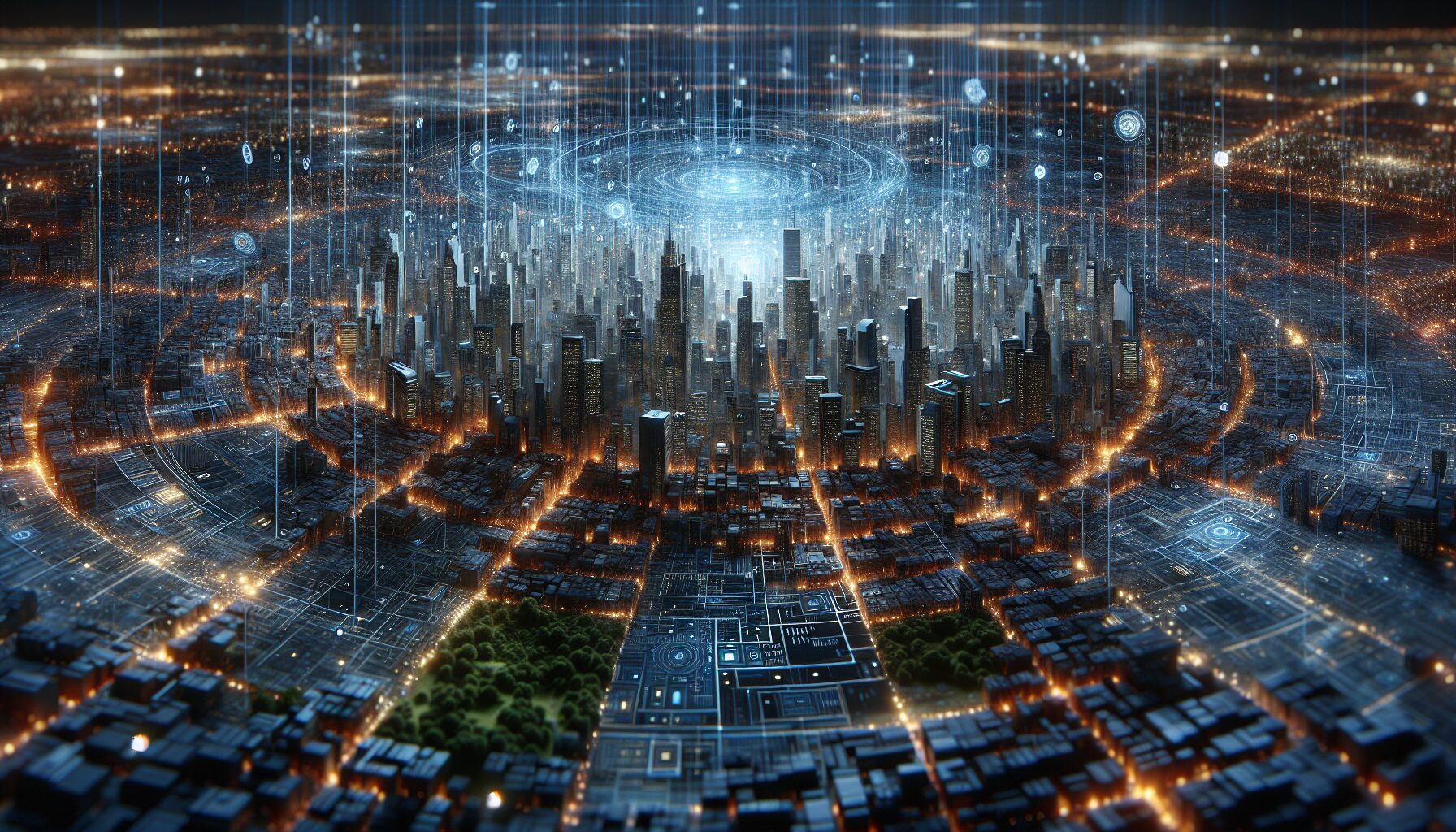
    In modern cities, bustling streets are just the tip of the iceberg. Beneath the visible hustle lies a web of connections known as the invisible grid. This complex and hidden network not only powers our cities with electricity but also facilitates communication, transportation, and the flow of information.

    The Backbone of Urban Infrastructure

    Urban centers are increasingly reliant on these invisible grids, which form the backbone of city infrastructure. According to a study by the World Economic Forum, urban infrastructure is critical for economic growth, sustainability, and the overall quality of life.

    • Electricity: Underground cables and power lines form a labyrinth that supplies energy to millions of homes and businesses. This network is crucial for maintaining daily operations and ensuring that cities run smoothly.
    • Water Supply: Often overlooked, urban water networks are incredibly complex and vital for sanitation and daily needs. Modern urban planning includes sophisticated systems for managing water resources efficiently.
    • Communication: Fiber optic cables and wireless networks serve as the nervous system of cities, enabling instant communication and data transfer. As cities grow smarter, these networks play an ever-more critical role.

    Challenges in Managing Invisible Networks

    Managing this complex matrix of networks involves numerous challenges, especially as cities expand and demand increases. A significant hurdle is the need for upgrading aging infrastructure. As reported by The Atlantic, many cities struggle with outdated systems, leading to inefficiencies and outages. The article notes, “The challenge of maintaining infrastructure is more daunting when much of it is hidden.”

    “The challenge of maintaining infrastructure is more daunting when much of it is hidden.”

    Future Prospects: Smart Cities and Beyond

    As urban centers evolve, the invisible grid is set to become more sophisticated. The advent of smart cities promises to integrate AI and IoT technologies with traditional infrastructure, creating more resilient, efficient, and sustainable urban environments. A McKinsey report highlights that by optimizing these networks, cities can improve efficiency by 20

    Looking ahead, the invisible grid has the potential to revolutionize how we perceive and experience urban living. By harnessing advanced technologies, cities can transform these hidden networks into visible benefits for all residents.

    As our understanding of these invisible networks grows, so too does our ability to create cities that are not only smarter but also more sustainable and equitable.

  • AI Dreamscapes Part IV

    AI Dreamscapes Part IV

    AI Dreamscapes Part IV: Exploring the Immaterial Landscapes of the Mind

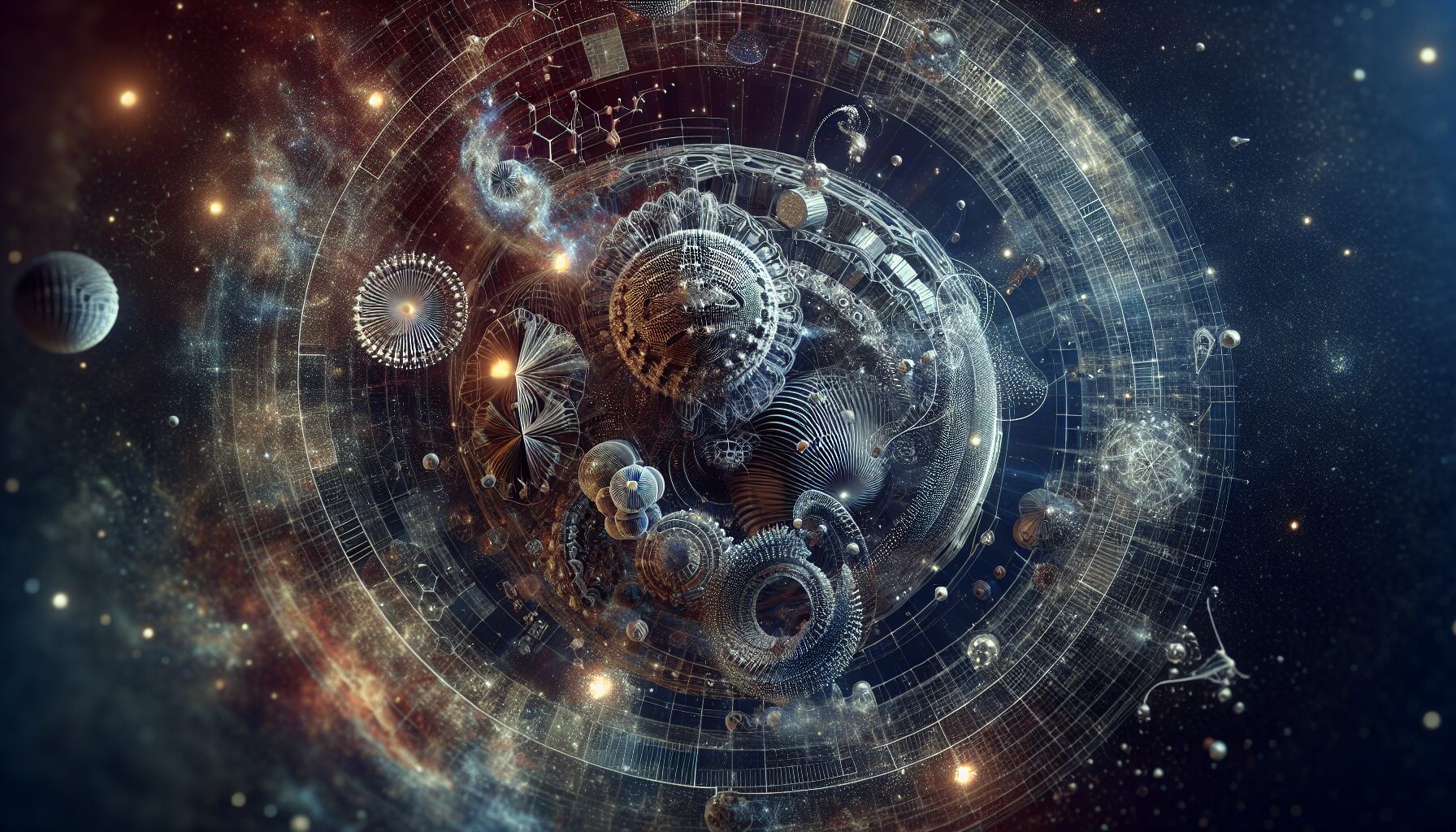
    The convergence of artificial intelligence and human creativity has birthed a new frontier: AI Dreamscapes. These imaginative technology-driven landscapes offer us a glimpse into digital artistry, capturing the ethereal and surreal visions traditionally found within the human mind. In this part of our series, we delve deeper into how AI is redefining artistic boundaries, elevating abstract expression through binary logic and neural networks.

    The Emergence of Artificial Dreamscapes

    AI Dreamscapes, at their core, are a representation of collaboration between man and machine. Through the use of generative adversarial networks (GANs), neural networks trained to produce realistic images, software engineers and artists alike have been creating stunning pieces of art that mesmerize and inspire.

    • The process begins with a neural network that is trained on thousands of images, learning intricate patterns and styles.
    • An opposing network then critiques the generated images, pushing the first to improve iteratively, much like an artist’s practice of honing their craft.

    Artistry Amplified by AI

    The dreamscapes produced are often reminiscent of surrealist paintings and abstract art but manifested through digital forms that either interpret or redefine human emotions. As the artist and spiritual teacher, Lama Surya Das posits,

    “The real art of breathing is to move through the world as if it were the aisles of a magnificent museum and view the pieces of existence with a sense of curiosity and fascination.”

    In essence, AI is acting as both the curator and creator of an expansive gallery filled with otherworldly compositions we have yet to fully interpret. This technology allows us to see beyond the constraints of conventional creativity, producing works that might otherwise be impossible.

    AI Dreamscapes in Practice

    Artists such as Refik Anadol and Mario Klingemann are at the forefront of utilizing AI to produce mesmerizing dreamscapes that challenge our perception of art and reality. They blend data from various sources to produce audio-visual art pieces and installations that engage audiences in a multi-sensory experience.

    • In Anadol’s projects, data murals and sculptures are created from large datasets, translating the unseen into concrete visualizations.
    • Klingemann, known for his AI-generated portraits, pushes the envelope with dreamlike, distorted human images that invoke introspection and dialogue on identity.

    The Ethical Dimension of AI Artistic Creation

    While AI art’s formation is undeniably exciting, it also brings forth several ethical considerations.

    • Authorship: Who is the true creator of these dreamscapes—the programmer, the AI, or a symbiotic partnership?
    • Exclusivity: Will AI art commodify creativity, making artistry accessible yet perhaps devalued in terms of individuality?

    As posited by renowned media theorist Marshall McLuhan,

    “We become what we behold. We shape our tools and thereafter our tools shape us.”

    This reflective question lingers—what direction will our artistic capabilities take as AI shapes our creative reality?

    The Future of AI Dreamscapes

    The continuous evolution of AI technologies indicates that future dreamscapes will become increasingly sophisticated, offering richer narratives and dynamic interactivity. The potential bridges a gap between creator and consumer, allowing for immersive experiences and collaborations.

    AI Dreamscapes Part IV reinforces the notion that art does not exist in a vacuum but is eternally shaped by its societal context. As we venture further into the digital age, these dreamscapes will likely influence how we define art, identity, and perhaps even reality itself.

    Join us next time as we explore how these AI Dreamscapes might integrate into everyday life, transforming mundane spaces into arenas for infinite possibility and artistic expression.