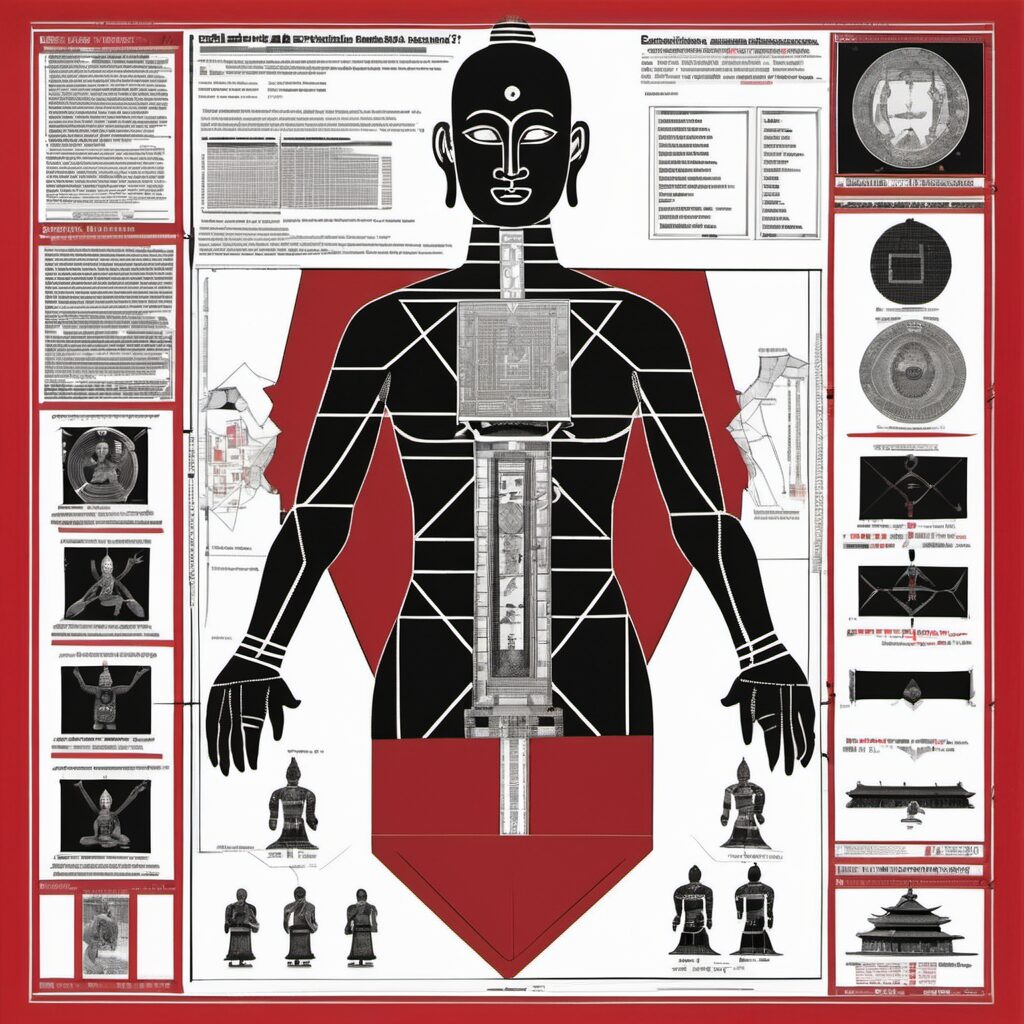
Thangka Art – Painting the Spiritual History of Tibet
Tibetan thangkas, or Thangka paintings, are intricate and colorful works of art that hold immense spiritual significance in Buddhist culture. These vibrant representations serve as a visual guide for followers on their journey towards enlightenment, embodying centuries-old beliefs and practices deeply rooted within Tibetan society. The following article explores the profound history behind thangka artistry and its pivotal role in shaping spiritual awareness throughout Buddhism’in Tibet.
“Thangkas are more than just paintings; they serve as a physical manifestation of prayers, meditations, and rituals,” says renowned scholar Dr. Tenzin Gyatso, founder of the Library Without Walls Project at Harvard University’s Divinity School.
“Thangka art is deeply intertwined with Tibetan culture.” – Lama Pemba Rinpoche, a respected teacher in Dharamsala. These spiritual paintings have evolved over time as an essential aspect of religious life and continue to be created by experienced monks for devotional purposes.
- “Thangka art is more than just mere decoration.” – Lama Pemba Rinpoche, Tibetan lama. It’s a visual expression of spirituality that has shaped the way Buddhists practice their faith.
- “The creation process itself can be considered as meditative and transformative.” – Tenzin Gyatso, Ph.D., Tibetan Studies scholar at Harvard University’s Divinity School.
- “Thangka paintings are a way to connect with deities directly” , as explained by artist Jamyang Lodro in his book ‘The Art of Thangkas’. He describes how the artistic process is steeped in Buddhist philosophy, where every brush stroke represents an act of devotion and mindfulness.
- “These paintings are a bridge between worlds.” – Dr. Tenzin Gyatso explains that thangka art acts as a medium through which artists channel the divine energies from higher realms to communicate with adherents in this physical dimension.
- “They serve not just for individual practice but also form an integral part of communal religious ceremonies.” – Lama Pemba Rinpoche emphasizes the significance of thangkas as instruments that bring communities together in shared spiritual experiences.
- “Thangka art is a testament to Tibet’s rich cultural heritage and resilience.” – Jamyang Lodro, author of ‘The Art of Thangkas’, highlighting the enduring legacy thangkas have held throughout centuries.
- “In essence, it embodies Tibet’s spiritual history and aspirations.” – Tenzin Gyatso reflects on how these artworks provide a window into understanding the collective consciousness of Tibetan Buddhists.
- “The artisan must follow strict rules of etiquette.” – They are taught to avoid any distractions during their creation process, ensuring every brush stroke aligns with their intentions and respect for the sacred subject matter.
- “A sense of humility is imperative”. The artist must maintain reverence throughout this time-consuming task that can span weeks or even months to complete a single thangka, as per Gyatso’s research. Each painting embodies the aspirations for inner peace and enlightenment.
- “These paintings are seen as sacred objects”. They hold an objectified form of devotion that transcends aesthetic value, embodying spiritual ideals. It’s believed to infuse the thangka with divine energy upon completion.
- “The act of painting is itself considered as offering”. This belief aligns closely with Lodro’s observation in his book that artists view themselves not just as painters, but rather as devout practitioners performing a sacred ritual – the very essence and spirit are believed to emanate from their hands.
- “A thangka is more than an object; it’s alive with blessings.”. As Gyatso puts forth, once completed, these artworks become channels for healing energies and spiritual protection to those who possess them or view them in a sanctified environment.
- “A single Thangka can represent thousands of years’ worth of teachings.”. These paintings often depict historical, mythological events and embody significant Buddhist symbolism such as the Wheel of Life, Bhavacakra, or Mandala.
- “Thangkas are educational tools” , conveying complex teachings to learners through their imagery. They provide a visual narrative depicting important Buddhist tales and deities that help foster understanding of the faith’s core tenets.
“The creation process involves great skill, discipline, and devotion”. According to Lodro, thangka artists begin with precise preparations by choosing appropriate colors, materials such as silk or cotton fabric, and embarking on a meditative journey that guides them through the spiritual landscape.
“Each painting carries the artist’s heartfelt prayers”. The intention of the painter, as noted by Gyatso, is imbued within every element of their creation – from color choices to composition and symbolism. A thangka becomes a personal prayer or offering for various deities.
“They serve as spiritual guides.” Lodro shares how these artworks aid in individual meditation practices, inviting practitioners to reflect upon their inner state while gazing at specific deities or mandalas within the thangka’s intricate design.
“Thangkas have adapted over centuries”. As they evolved from religious rituals into modern-day tools for personal and community growth, their role in Tibetan society remains vital. This spiritual art form continues to influence many around the world as we witness its cultural exchange today.
“It is through these intricate works of Thangka Art that a rich history of Buddhist tradition and culture comes alive, encapsulating centuries-old wisdom in every brushstroke,” concludes Gyatso.
Leave a Reply
You must be logged in to post a comment.